
This list runs from a one-page seating chart to a full RSVP spreadsheet, and the pieces differ most in how much time they take: a ribbon-tied program can wait until the guest count is final, while the shorter-timeline advice has to start the day you pick a date.
Your time frame decides which section to read first. With 8 months instead of 12, fit everything from months 8–12 into month 8 and lock in the venue and photographer before anything else.
1. Wedding Seating Plan

Alphabetize the whole guest list by last name, with each table number printed beside the name, so people can find themselves in seconds, and the order holds up even when the chart runs long.
Guests crowd the board when they arrive, so I would put it where the line can spread out instead of in a narrow doorway.
Print or letter it only after your RSVP count is final. Moving one name late means redoing the whole board, and that is a cost you can avoid by waiting.
A couple’s photo and the date at the top make the board double as decor, which I like for a modest budget.
2. Wedding Decor Checklist
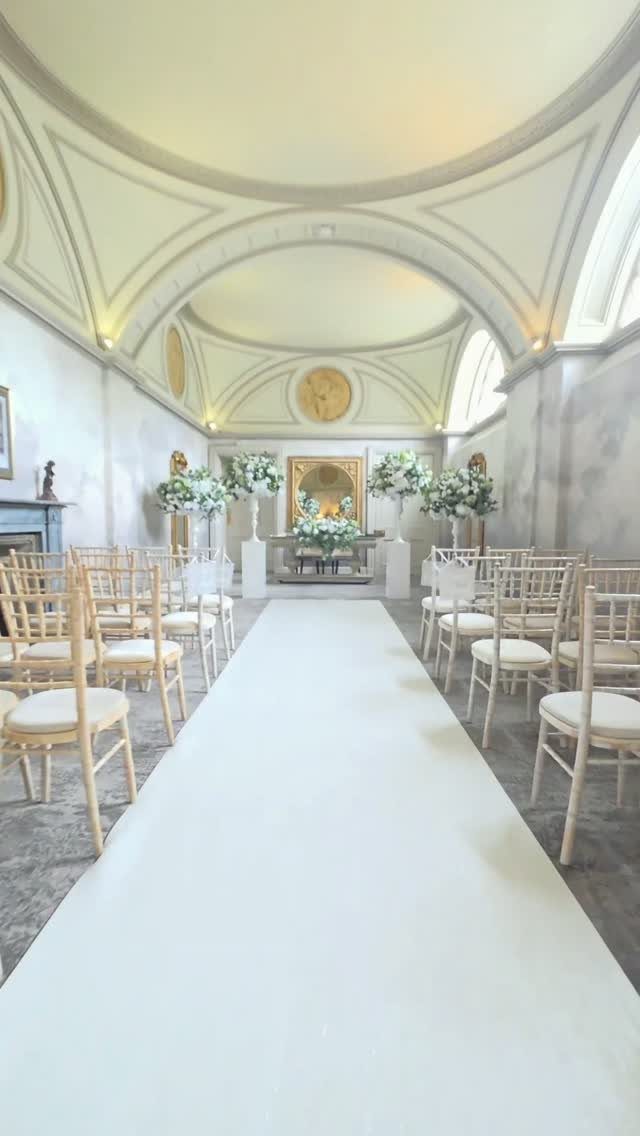
Start a decor checklist at the ceremony space and work outward.
I would list every piece by location: ceremony, cocktail hour, reception tables.
Then mark who buys it, who sets it up and who takes it down. Skipping that last column is how rented chairs and leftover arrangements end up stranded after the party.
White florals keep the palette simple, and a simple palette keeps the shopping list short. A vaulted room already carries visual weight, so you may need less than you think.
3. Wedding Program Template
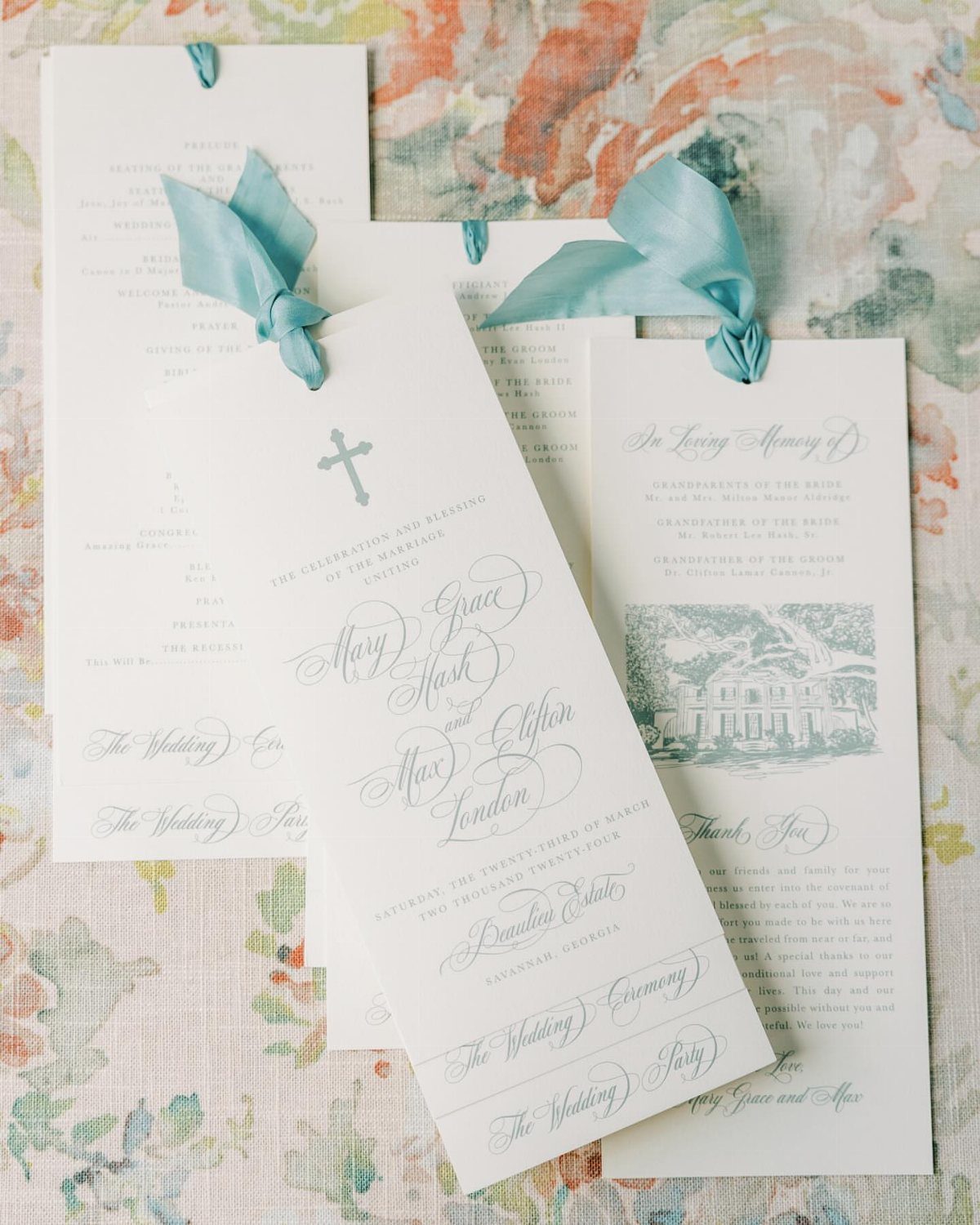
Draft the program as the ceremony itself, line by line, in the order it will happen. Start with a title line, like the "Celebration and Blessing of the Marriage" wording here, then the names, then the city.
Keep the text short enough to proofread twice, and have someone outside the wedding party read it for misspelled names.
Calligraphy looks lovely but gets hard to read at small sizes, so I would save it for the title and set the rest in a plain face.
A ribbon tie costs little and makes a folded sheet feel finished.
Tips for Staying Organized
Color-coding only works if you keep the system small. Pick one color per category, such as venue, attire, food and paper, and stop there.
Give every task a specific day instead of a vague "this month." A task with a date gets done, and one without a date gets moved forward again and again.
Set a fixed time each week to review the whole checklist, and let that be the only time you reshuffle it.
A short, regular check-in on the same day each week beats a panicked hour of scrolling the night before a deadline.
Keep the checklist, vendor contacts and RSVPs in one shared document, like a Google Doc, so a helper can open it without asking you for anything.
Advice for Shorter Timelines
With less than a year, the date is the first thing to loosen. Choosing a Friday, Sunday or other off-peak day can put the venue, caterer and photographer you want back within reach.
Book the big items first, then fill in the details around them.
A standard checklist can still work for you.
Keep the task order the same and condense the months. If you are on an 8-month timeline instead of 12, fit everything from months 8–12 into month 8, then pick up the regular schedule from there.
I think that is doable, as long as the venue and photographer are the first things you lock in.
Managing Guest RSVPs
Build one spreadsheet with a row per guest and columns for RSVP status, meal choice and dietary restrictions. Add a column for special requests too, so nothing lives only in a text message.
Start gathering final guest and meal counts about a month out. Your caterer or venue manager needs both numbers, so send them together.
Sort the sheet by table or by meal when you hand it off.
A clean sort also makes place cards and the seating chart much faster to produce, and it shows at a glance whether a dietary need has been missed.
Frequently Asked Questions
What are the steps in a complete wedding planning checklist?
Start with the budget, then lock in the big items: the venue and the photographer first.
After that come the guest list and RSVP tracking, decor by location, paper goods like the ceremony program, and the seating chart. Assign each task a due date rather than letting it float in a vague window.
How do I plan a wedding on a shorter timeline?
A weekday or Sunday wedding opens up vendor availability and drops prices fast.
Condense a year-long plan by keeping the same order and cutting the gaps between tasks. If you’re planning in 8 months, tackle month 12 tasks and month 8 tasks in the same week.
How do I plan a mini wedding?
Shrink the guest list, keep decor simple, and spend on the parts that matter most to you.
A small wedding still needs most of the same parts: ceremony, food, photos and a timeline, just scaled down to appetizers and a shorter day. Delegating legwork to willing friends and family, like researching vendors, also speeds things up.
How do I keep wedding planning organized?
Keep the system small and the dates specific.
Color-code by category and set one weekly review time to catch anything that slipped. Keep your checklist, vendor info and guest list in a shared file so anyone helping can open it without a text thread.
How should I track wedding RSVPs?
Track guests in a spreadsheet with columns for confirmation, entrée and dietary notes.
Pull final headcount and meal totals a month before the wedding and send both to your caterer at once. Sort by table number or meal type when you’re ready to write place cards.
When should I make the wedding seating chart?
Hold off on seating until RSVPs close.
One late change means redrawing the whole chart, and waiting costs nothing. List names alphabetically within each table and set the chart where guests can queue without blocking a doorway.





