These 7 ideas run from a Time Capsule and a Ring Exchange Ritual to Handfasting, a Crowning, a Flower Petal Recessional Toss and Live Musicians, with a Unique Ceremony Space and Personalizing the Ceremony in between.
What decides your pick is how much ceremony time and rehearsal you can spare: a ritual that needs your officiant, a photographer cue or a practice run only works if the order of the service has room for it.
Most couples have room for one or two, so choose by the minutes you have, not by how good each idea looks.
1. Time Capsule
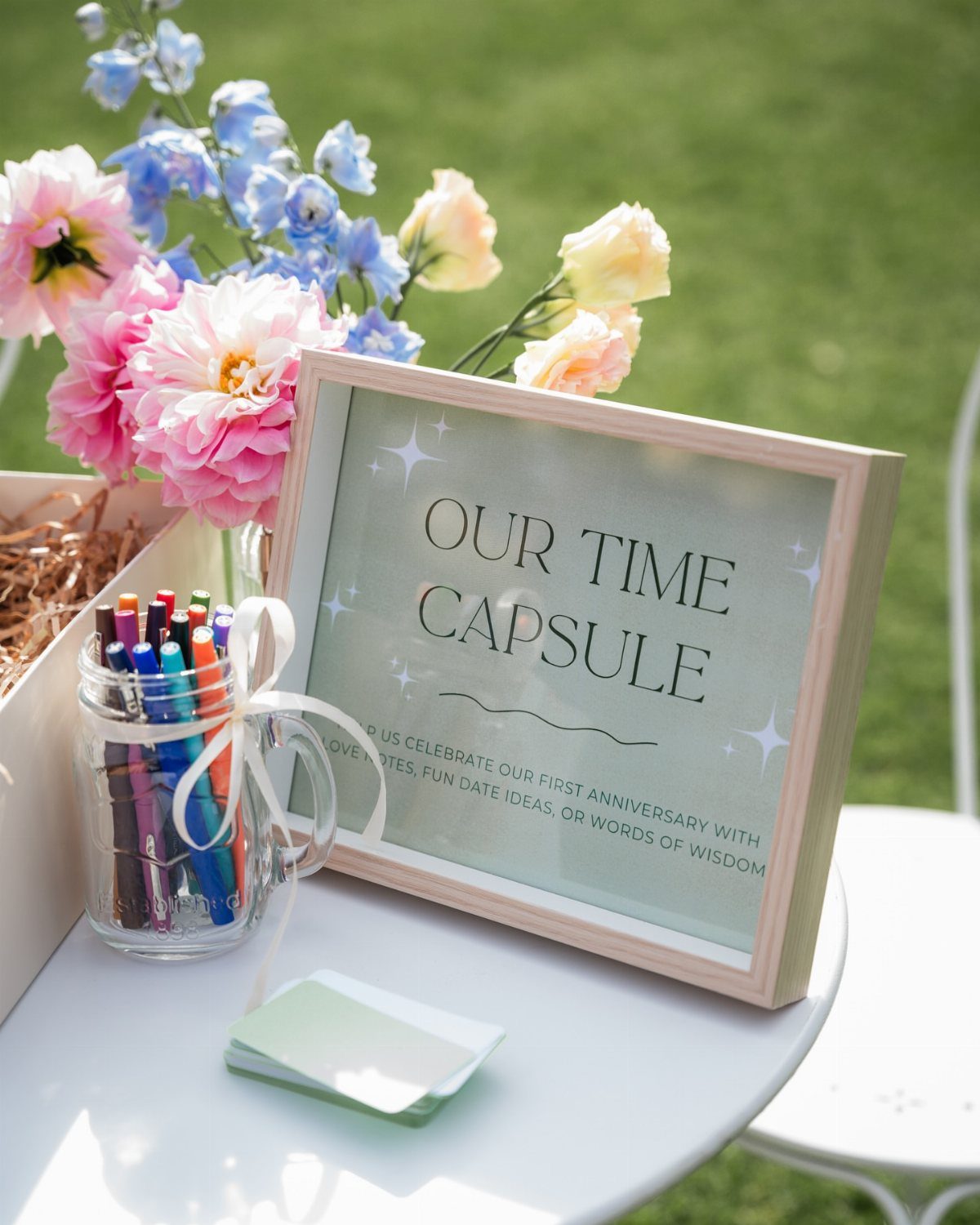
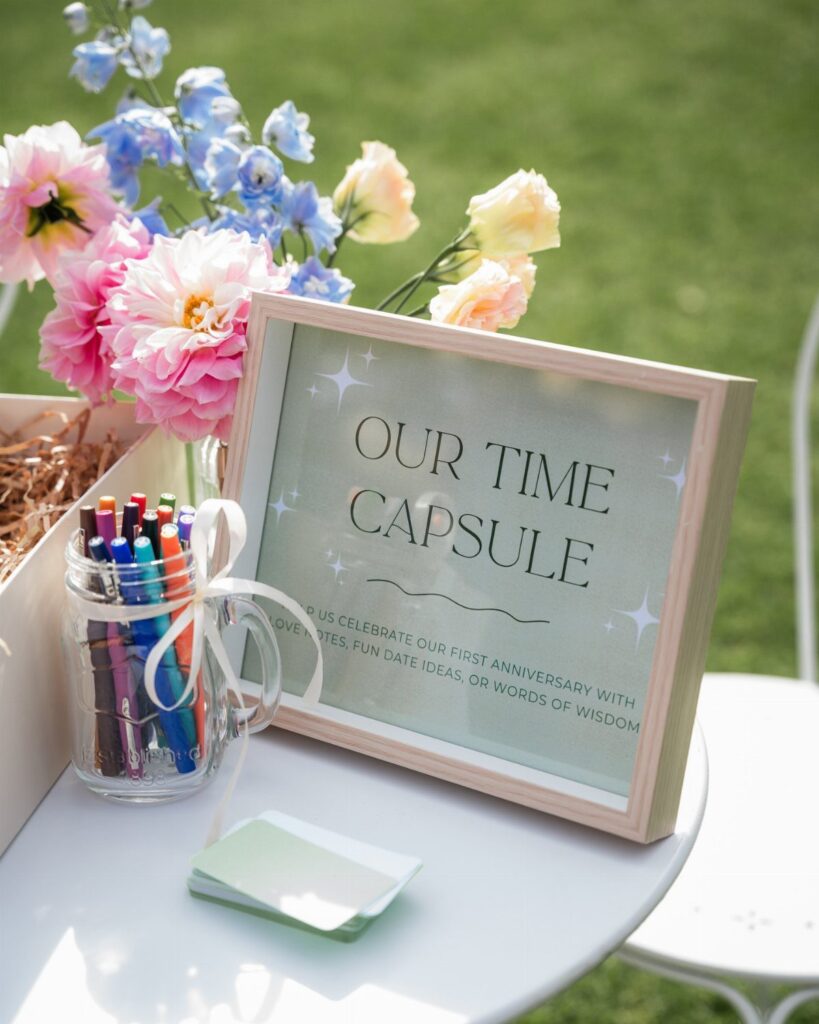
Put it near the entrance so people write before the ceremony starts, not during cocktail hour when they’re distracted.
Colorful markers invite looser, funnier notes than a plain pen does. I’d add a line on the sign telling guests what to write, such as advice or a wish for the first anniversary, so nobody stares at a blank card.
2. Handfasting
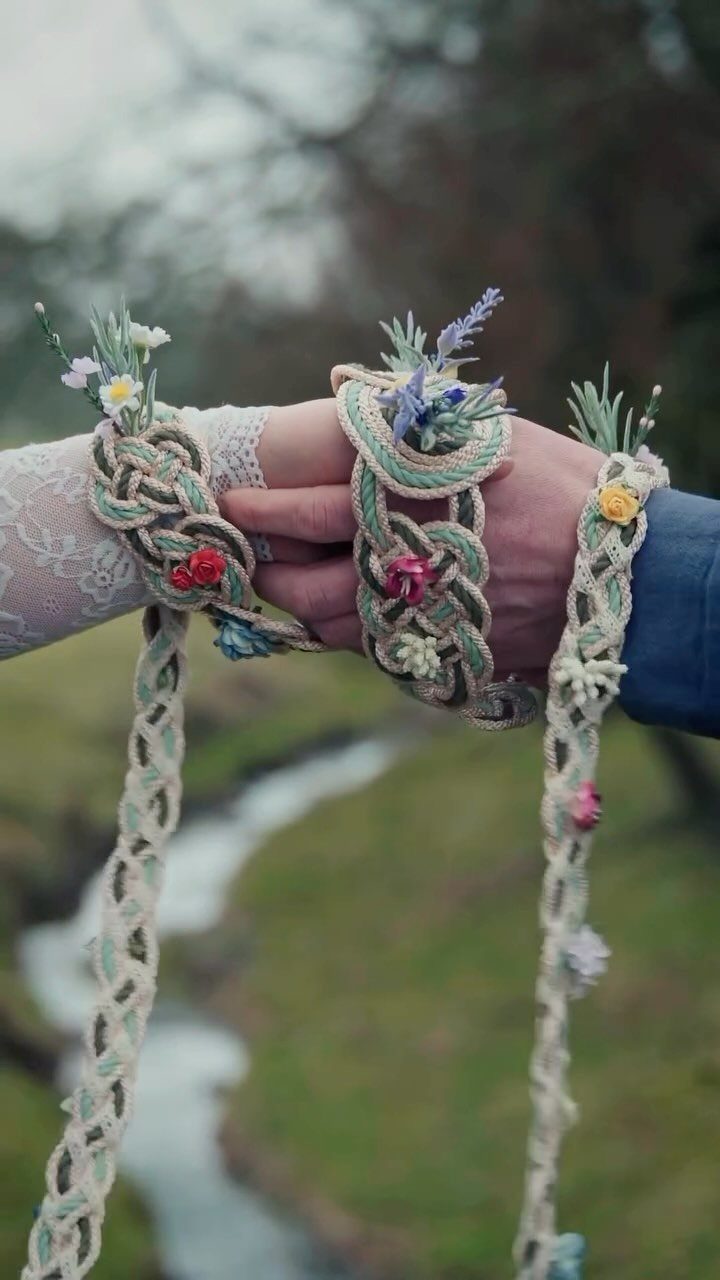
Braided cords wrapped around joined hands make handfasting one of the most photogenic rituals you can add. Flowers woven into the cords tie the ritual to the rest of your décor.
I’d use three cords, because each strand can stand for something you name aloud: two people and the union they make.
Have your officiant drape and wrap the cords while speaking, then loosen them rather than pulling them tight. Rehearse once so your hands know where to go.
3. Crowning
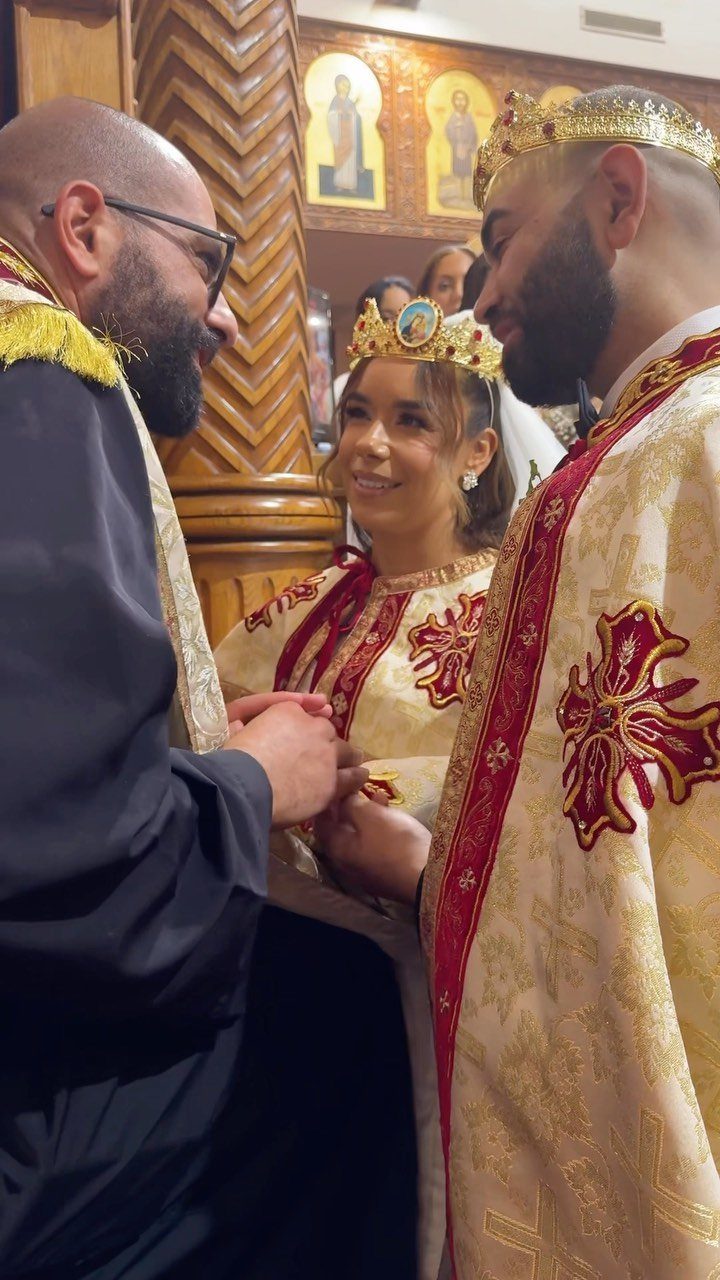
Crowning puts a crown on each partner during the ceremony, and the symbol is easy to read: you are building a household together. Gold crowns with robes make the moment feel formal and old-world.
A church setting with a priest or officiant to place the crowns gives the moment its weight.
Ask whoever leads the ceremony how long the ritual runs, then decide where it sits in your order. Crowns also photograph well, so tell your photographer when it’s coming.
Although your wedding day is filled with significant moments, the ceremony is the pinnacle of the entire celebration. It’s the reason everyone has joined together, and it’s more than just a formality.
4. Unique Ceremony Space
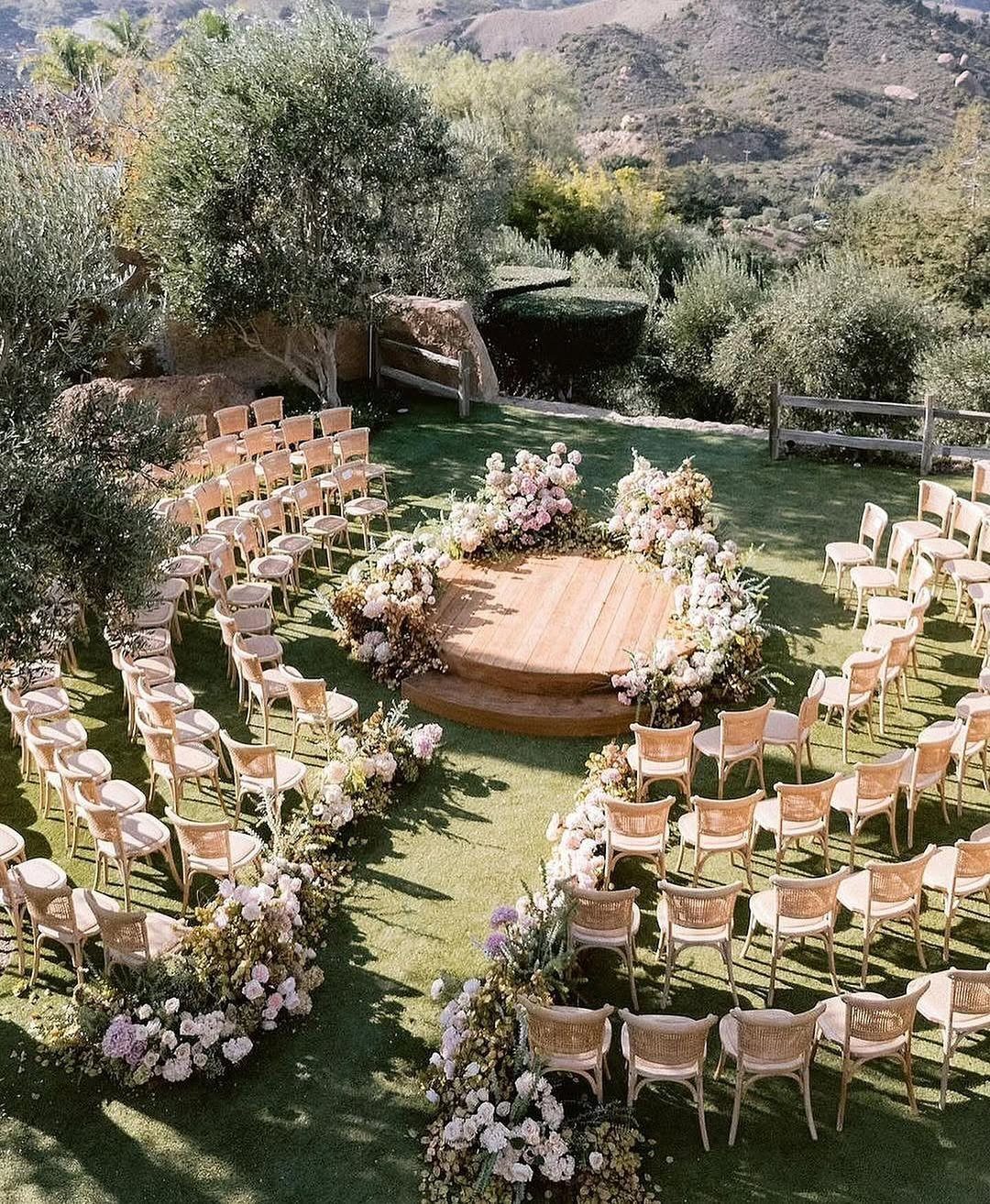
A round stage puts the couple at the center, and flowers and chairs around it keep guests close.
Choosing an unusual space usually means trading convenience for atmosphere, so confirm access, seating and a rain plan early. If the view is strong, keep the décor simple and let the scenery carry it.
5. Live Musicians
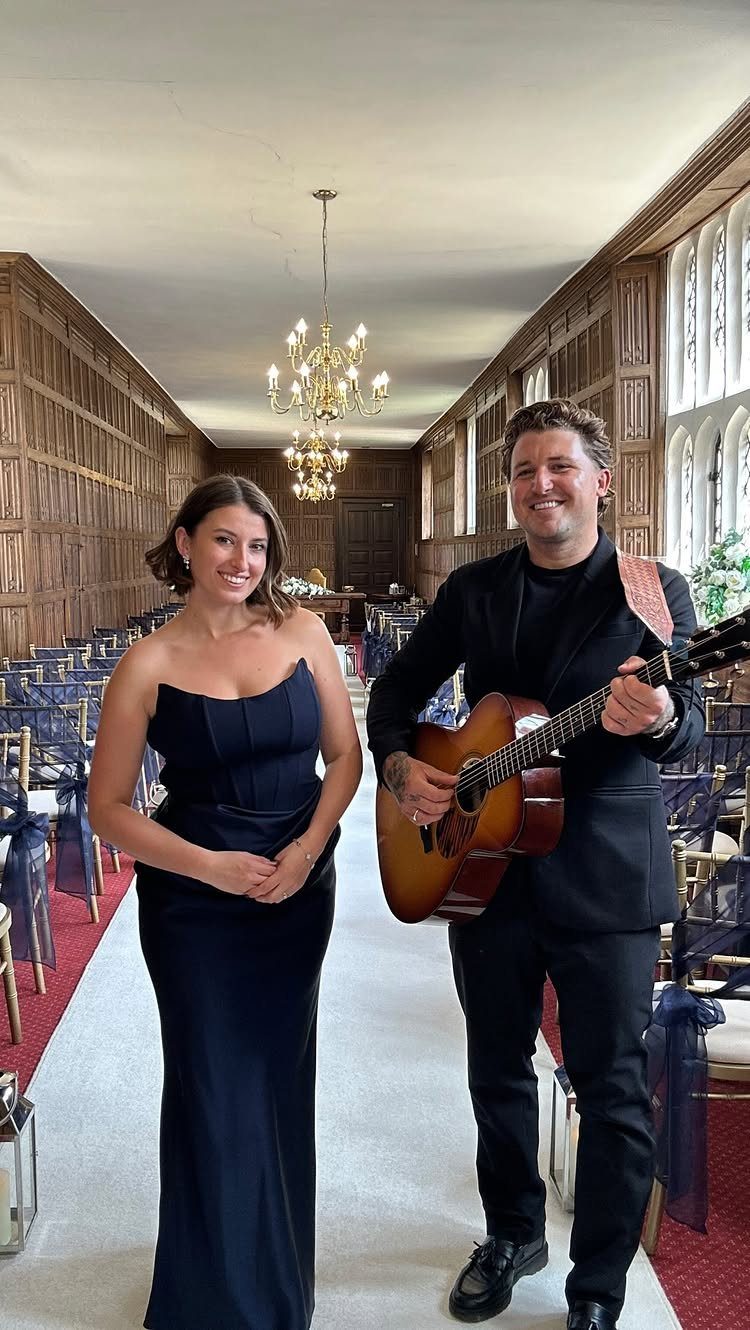
Live musicians change the feel of a ceremony more than almost any other single choice. An acoustic guitar suits a smaller room, especially a wood-paneled one, because it fills the space without needing heavy amplification.
Hire for the processional and recessional at minimum, and ask the musicians to play songs you actually love in their own style. Budget for this line item early; live performers cost more than a playlist, and I’d still pay it.
6. Flower Petal Recessional Toss
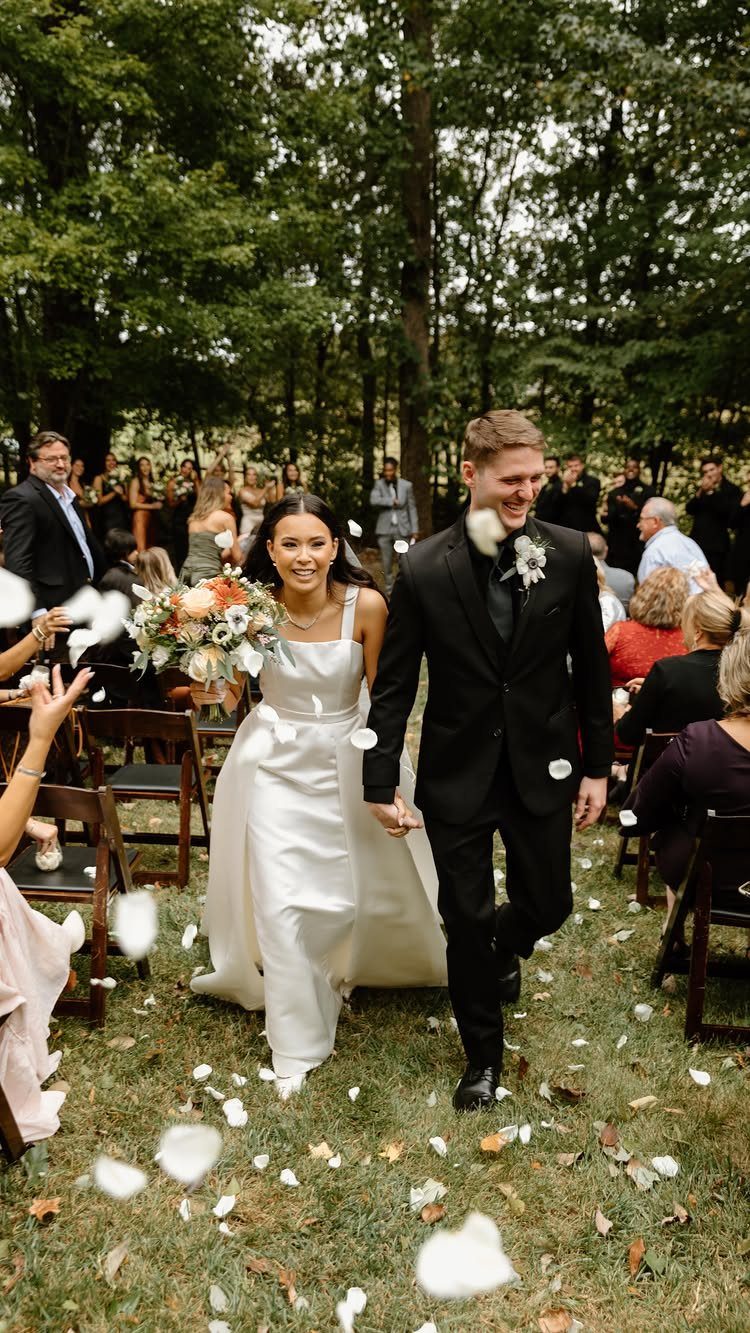
White petals thrown by guests as you walk back up the aisle give the recessional a burst of motion and a clear sense of celebration.
Hand them out in small cones or baskets as guests sit down, so everyone has a handful when you pass.
On a grassy aisle, petals disappear into the lawn afterward, which makes cleanup easy. Ask your venue about its rules on petals first, since some places restrict them.
7. Ring Exchange Ritual
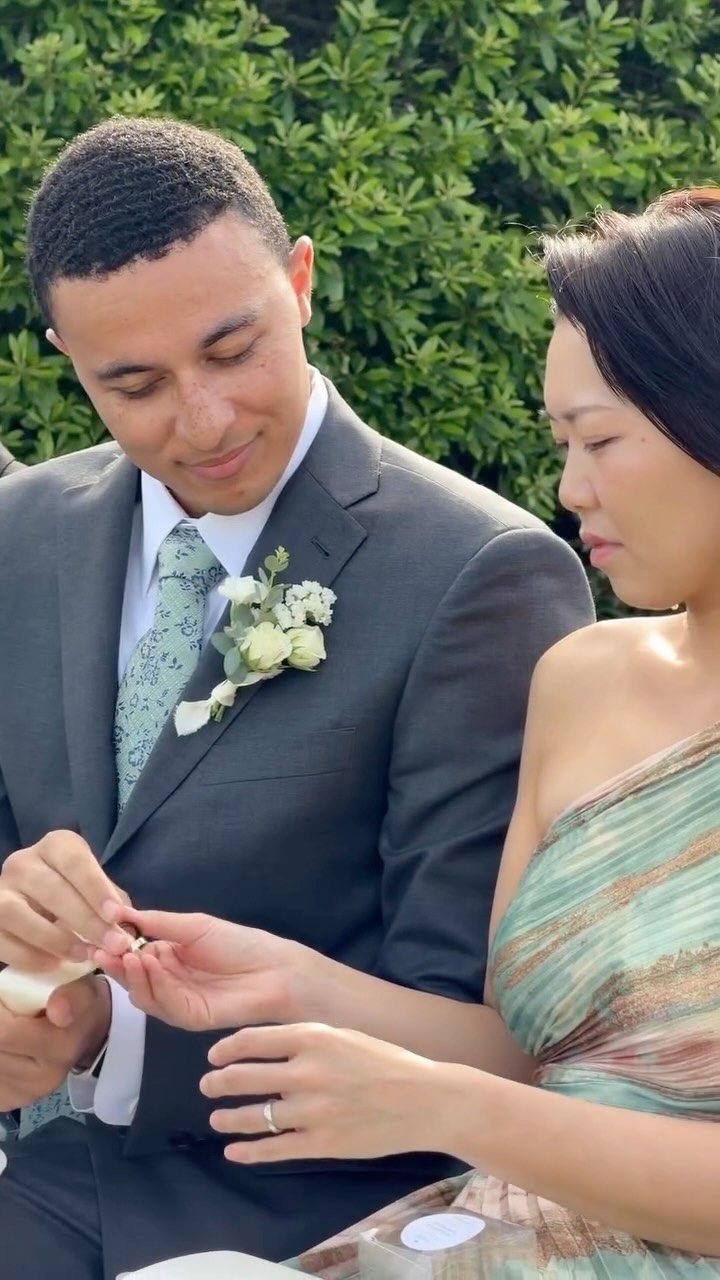
Ring exchange is the one ritual nearly every ceremony already has, so the choice is how much attention you give it. Slowing it down turns a quick formality into a moment guests can actually watch.
I’d have the groom turn to face the bride and place the ring on her finger while the officiant reads each line, so he isn’t rushing through it.
Outdoors, hold the pose a beat longer; a hedge or greenery behind you gives your photographer a clean background.
Practice with the real rings once. Hands get nervous, and rings stall at the knuckle.
Give the ring bearer, or whoever holds the rings, a clear cue for when to hand them over.
Personalizing the Ceremony
Personalizing a ceremony starts with deciding what you want guests to learn about you.
3 places make that easy. You can weave your love story into the service, so the officiant tells it instead of reading a generic script.
You can ask family members to give readings, which puts people you love at the microphone. And you can adjust any ritual so it reflects your relationship.
I’d pick one or two of these, not all three. A ceremony packed with personal touches runs long and loses the thread.
If a ritual comes from a culture, use it only if it connects to your family. Borrowing from a tradition that isn’t yours tends to ring hollow, and guests can tell.
Tell your officiant early, since they will need time to fit your story into the order of the service.
Frequently Asked Questions
What all happens at a wedding ceremony?
Most ceremonies combine a processional, a ring exchange, and a recessional, with optional rituals layered in. Handfasting (wrapping braided cords around joined hands), crowning, live music, and readings from family are common additions.
Two personal touches is my limit, say a handwritten vow and one family ritual, since piling on more stretches the ceremony and blurs what it was about.
How to make a wedding fun?
Add a few interactive touches guests can join.
Set a time capsule table near the entrance with bright markers and cards, and guests will write looser, funnier notes about the first year of marriage than any plain pen would get from them.
Petals for guests to toss during the recessional and live musicians playing songs you love also lift the mood, and a ritual is optional, so keep only what fits you.





