A vendor list for a wedding runs from the dress and the flowers to the caterer and the venue, and the order you book them in matters more than the order you get excited about them.
Book the venue before anyone else: its date, house rules and load-in access set the limits for every caterer, photographer and band you might hire.
Photographers and planners come next, since they can take only one wedding per day, and the nice-to-have vendors wait until you see what the budget has left.
1. Florist
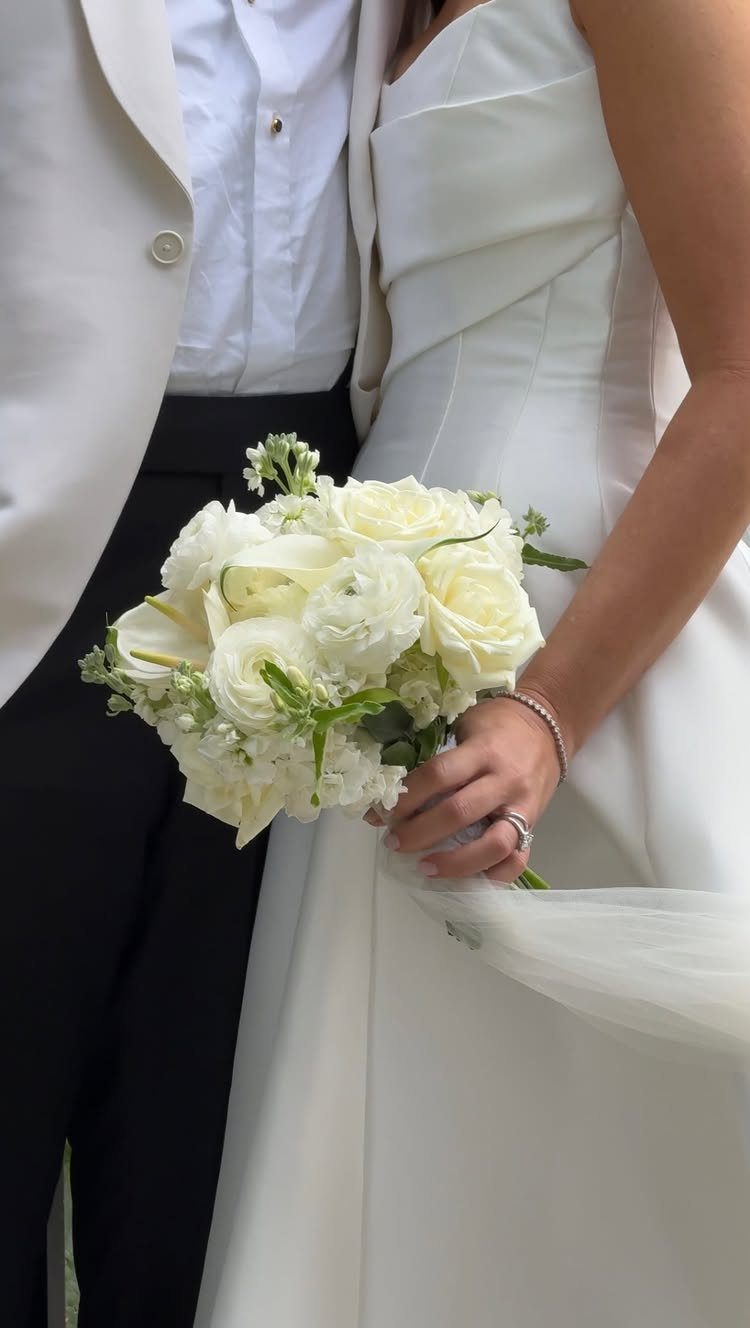
Keep the stems to 2 flower types and the arrangement stays simple to order and simple to hold.
Ask for an exact quote on bouquets, centerpieces and any ceremony flowers before you sign anything, since flowers add up quickly once the tables are counted.
If money is tight, I would put it into the bouquet and trim the table arrangements.
2. Caterer

Buffet service is the version I would price first on a tight budget. Silver chafing dishes keep the food warm while guests serve themselves, and that style usually needs fewer servers than plated dinners.
Ask the caterer what the quote covers: food, drinks, staff, and the chafing dishes themselves. Request a tasting before you book, and get the per-person price in writing so a guest count change does not surprise you later.
3. Wedding Venue
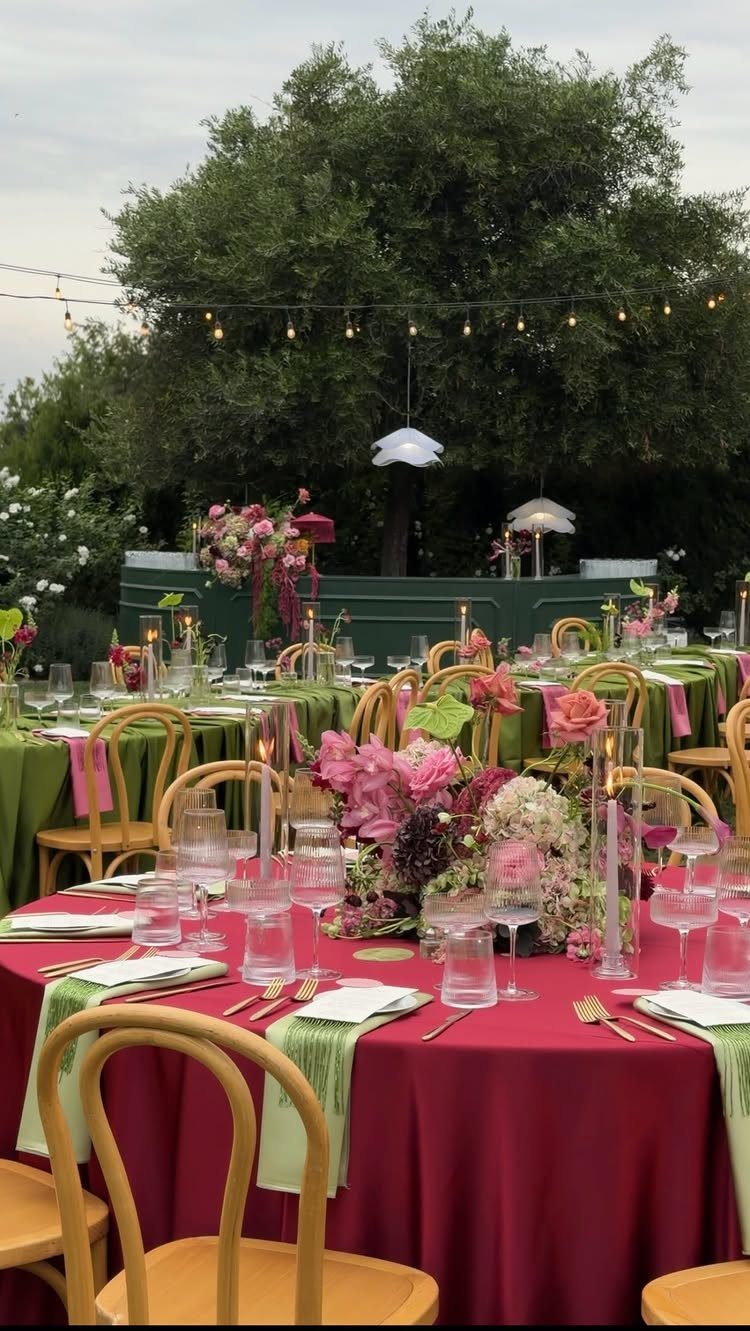
Tables, chairs and lighting come with some venues and not others, so ask what is included before you compare prices. An outdoor space with trees and string lights can make decor feel nearly done, which saves money on extras.
Book this vendor first, because the date and the guest capacity decide almost everything else. I would also ask for a backup plan if the weather turns, since an outdoor reception needs one.
4. Wedding Dress
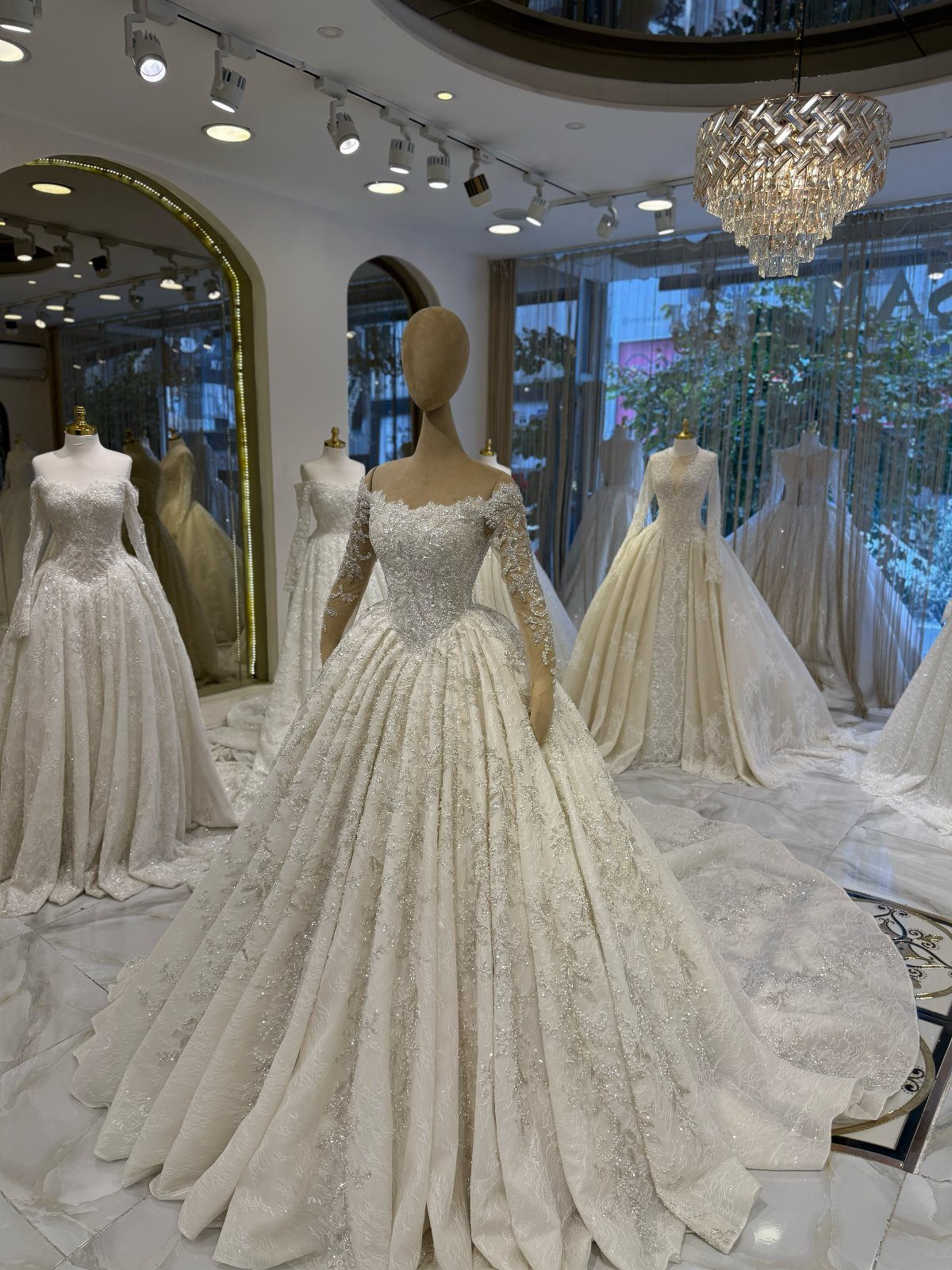
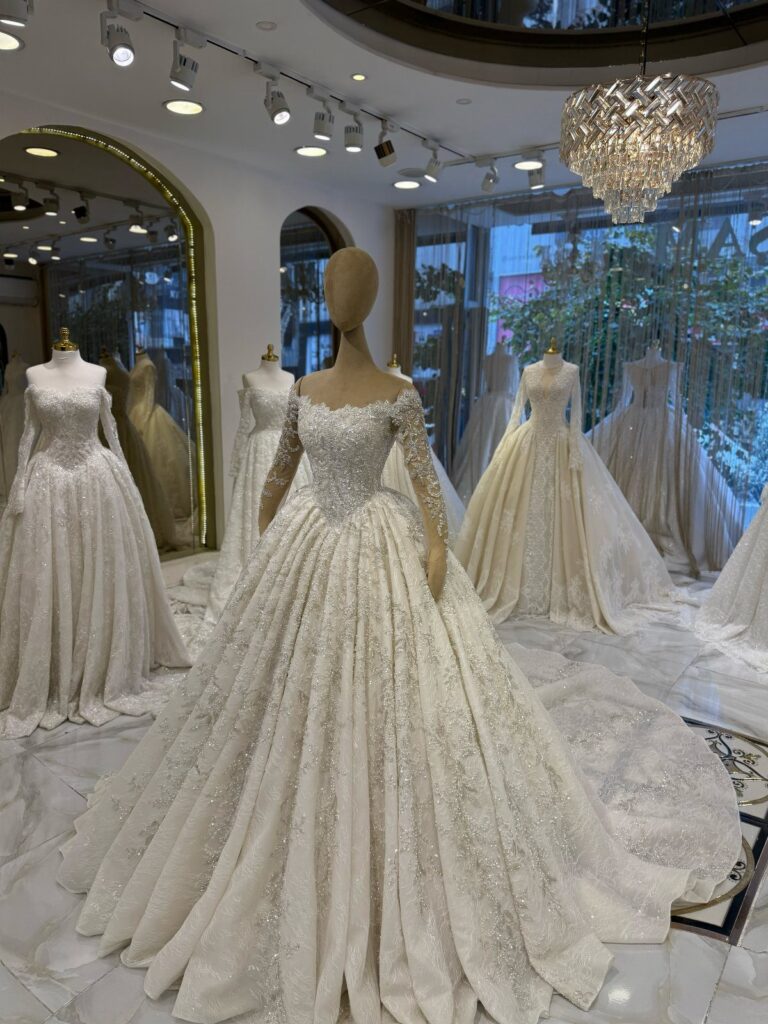
Start with the silhouette, because a ballgown with heavy beading and long sleeves is a very different purchase from a simple sheath. Beadwork costs more and often needs more fitting time, so plan for that in the budget.
Visit a bridal boutique early and try on a few styles, including ones you doubt. Ask about alteration costs and delivery timing upfront; a gorgeous dress that arrives late is a real problem.
Booking Timeline for Vendors
Book in the order each vendor depends on the one before it; the ones you’re most excited about can wait their turn.
Sign the venue first, since its date, house rules, load-in access and included items determine whether a caterer, photographer or band can work at all.
Next come the vendors who can only work one wedding per day, like your photographer and planner.
Book them as soon as the date is set. The nice-to-have vendors can wait until you know what the budget has left.
Before you sign with anyone, read reviews, meet them in person, and check their availability for your exact date.
Before you sign anything, read every clause, ask about whatever looks vague, and walk away with a written contract plus a receipt for each payment you make.
Managing Wedding Budget
Give every vendor category its own line in the budget, and treat the lines as one connected allocation. Your venue choice shapes what you’ll need to rent and how much coordinating falls to you.
Catering affects staffing and bar service. Photography shapes the day’s timeline.
Most budget guides put the biggest slices on 3 things: the venue and rentals, food and drinks, and photo and video.
Florals, attire, beauty, entertainment, transportation and cake vary by wedding, depending on your priorities and what the venue already includes.
Tell vendors your number up front. The good ones will say what they can do inside it, and you avoid falling for a package you can’t afford.
Keep a contingency fund inside the total, and update the budget after every decision so you always know where you stand.
Vendor Communication Tips
Make sure the signed contract lists exactly what the vendor will deliver, the total price, and when each payment is due. Expect to pay a deposit to hold the date, usually a percentage of the total.
After signing, keep in touch as the day approaches. As soon as a detail is settled or changes, send it to the vendor in writing rather than waiting for a batch update.
Build one master document for the whole team. For each vendor, list the legal name, company name, phone, email, arrival window, departure responsibilities, balance due, insurance status and primary contact.
Store the newest version of each document in one shared folder so no one works from an old copy.
Frequently Asked Questions
What are vendors for weddings?
Wedding vendors are the professionals you hire to make the day happen, such as the venue, caterer, florist, photographer, planner and dress shop.
When should I book my wedding vendors?
Book the venue first, because its date, house rules, load-in access and included items decide whether other vendors can work there at all.
Photographers and planners work one wedding a day, so lock them in the moment the date is firm. Nice-to-have vendors can wait until you see what the budget has left.
How do I choose the right vendors?
Read reviews, meet them in person, and confirm they are free on your exact date.
Say your number early; a good vendor will tell you what fits under it, and a poor fit will show itself fast. Then read the whole contract and ask about anything vague before you sign.
Is $5000 a reasonable budget for a wedding?
It can work, but only if you spend on a few things and keep the rest simple.
Put the money into the venue and food first, since those are among the biggest slices. Then trim elsewhere, for example by choosing buffet service, which usually needs fewer servers, and by keeping flowers to 2 types.





