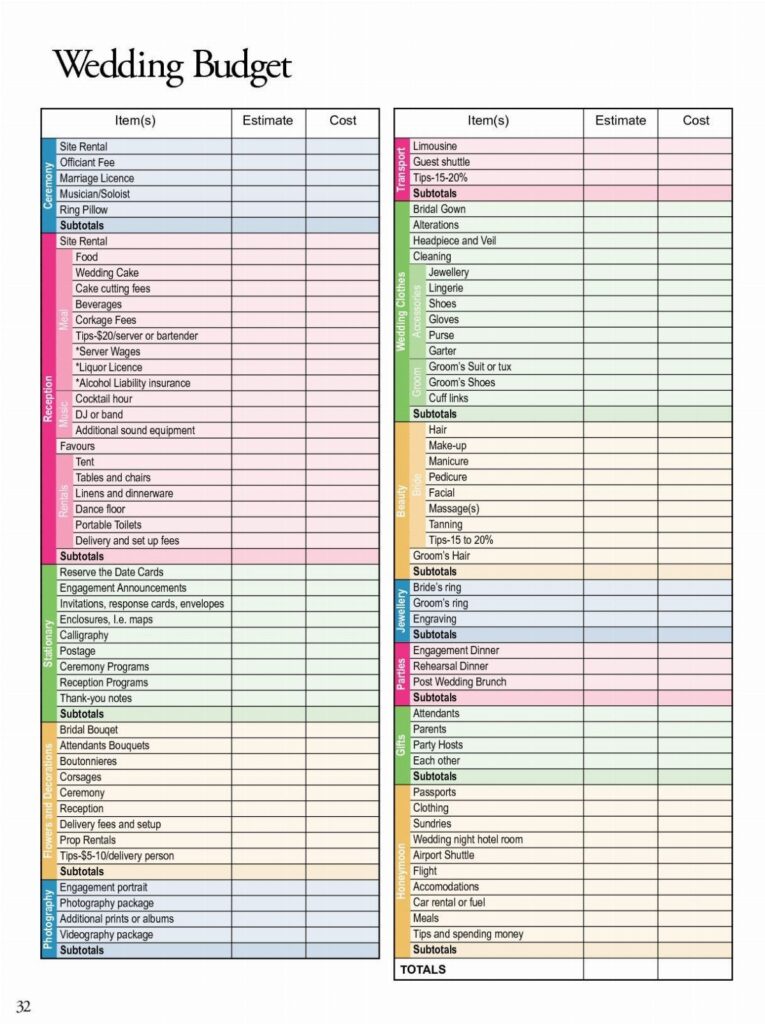
The 3 printables here cover different jobs: a budget planner with estimate and cost columns, a 12-month checklist that runs to the night before, and a decor checklist that assigns who hangs the lights.
Which one you print first depends on what is least settled in your plan right now.
If no money is committed, start with the budget planner and fill in the estimates before you book anyone; if the money is set but the tasks are loose, the monthly checklist is the one to pin up.
I would save the decor sheet for after the venue confirms when it lets you in.
1. Wedding Budget Planner
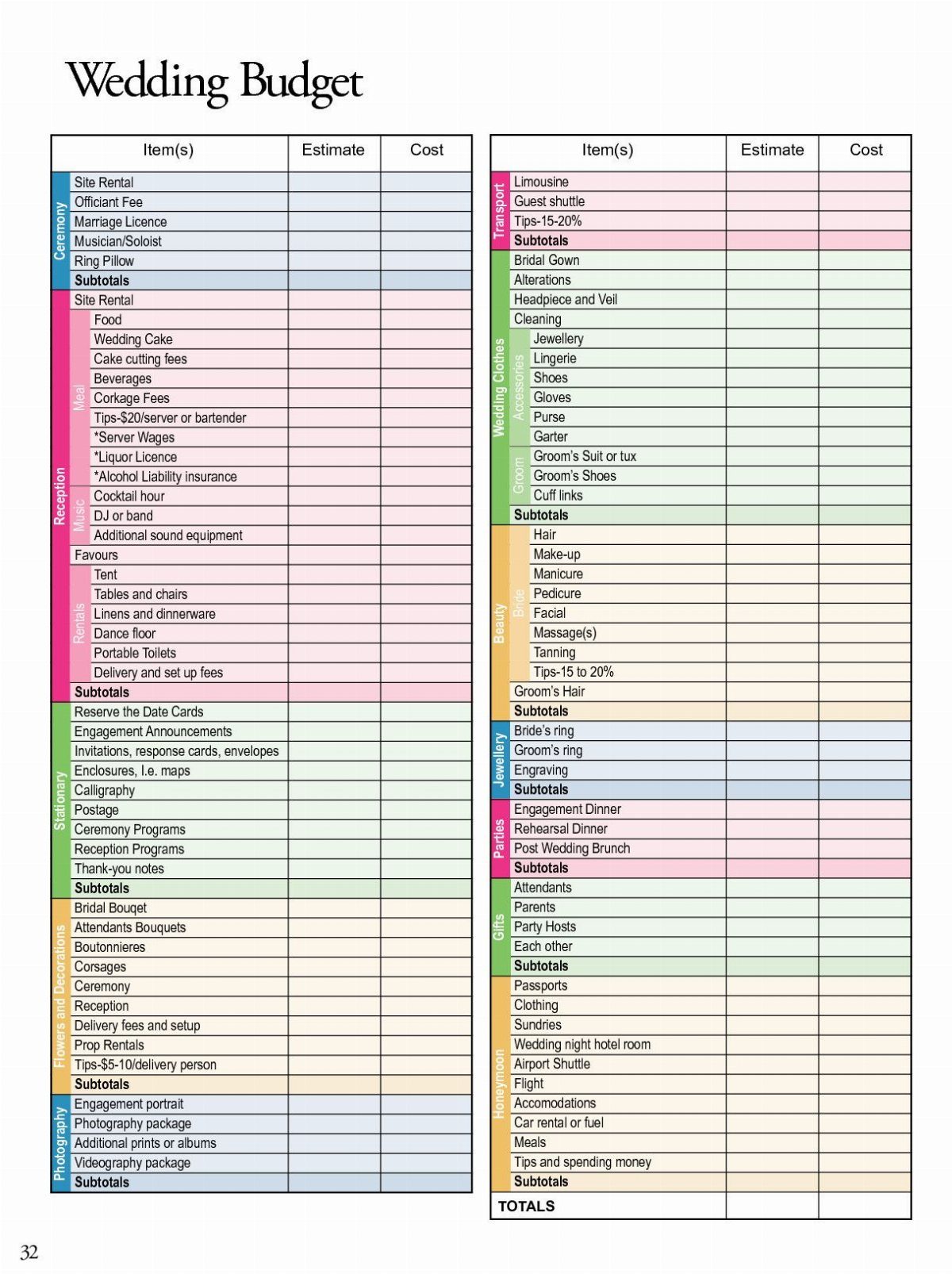
A budget planner earns its place by splitting every line into an estimate column and a cost column. Fill the estimates in first, before you book anything, then enter the real figure as each invoice arrives.
The gap between the 2 columns is what you watch. Color-coded categories help here, since you can see at a glance which section is running over.
I would print two copies: one that stays at home and one for vendor meetings. Add a spare line in each category for the things you forgot, because something always turns up.
2. 12-Month Wedding Checklist
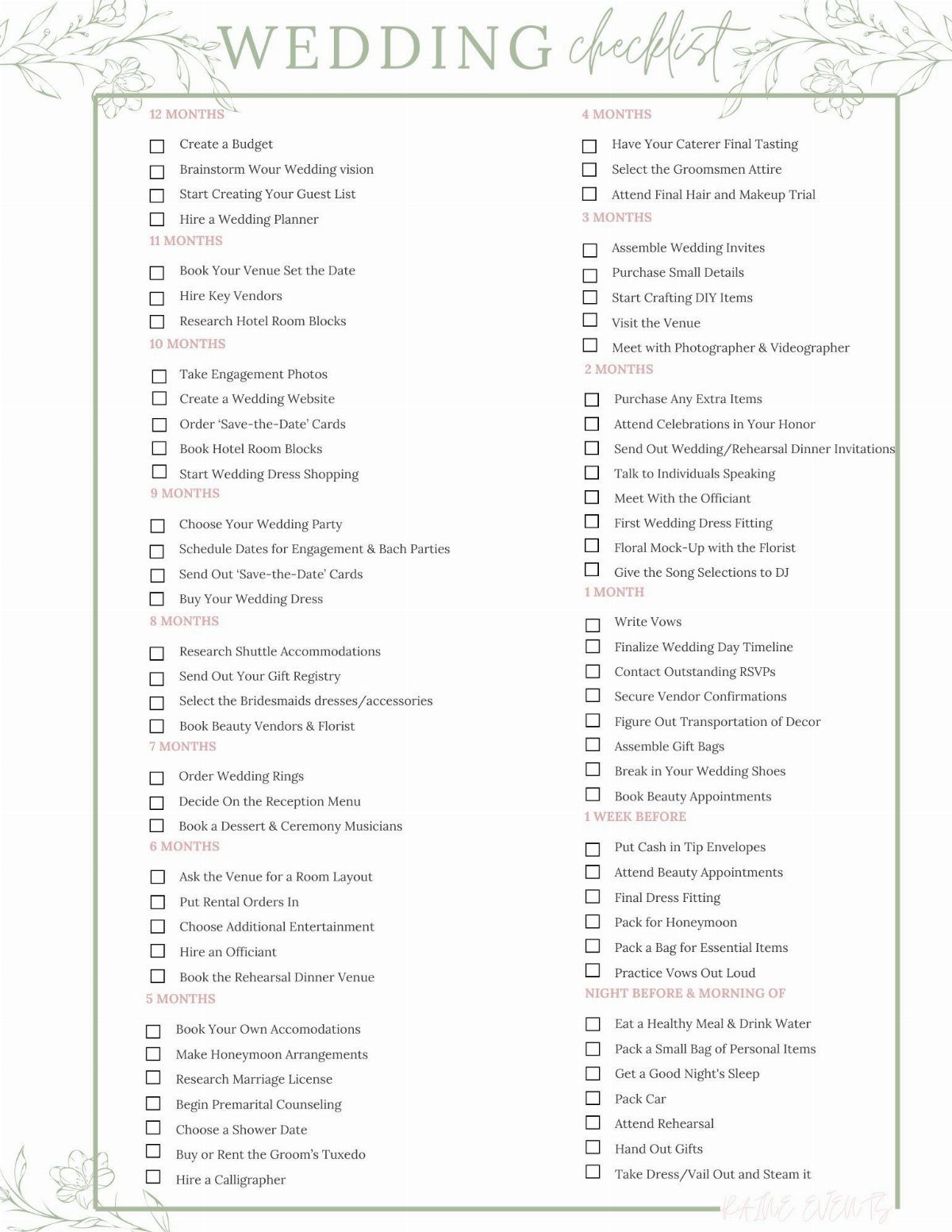
Monthly checklists work because they cut one huge job into pieces you can finish in an evening. This one starts 12 months out and runs to the night before, with a checkbox beside every task.
Print it and pin it somewhere you pass daily. Then move any task you cannot finish this month onto the next page, rather than letting it hang over you.
I like the floral header, but a plain version costs less ink if you are printing several copies. Check the boxes in pencil until a vendor confirms in writing.
3. Wedding Decor Checklist
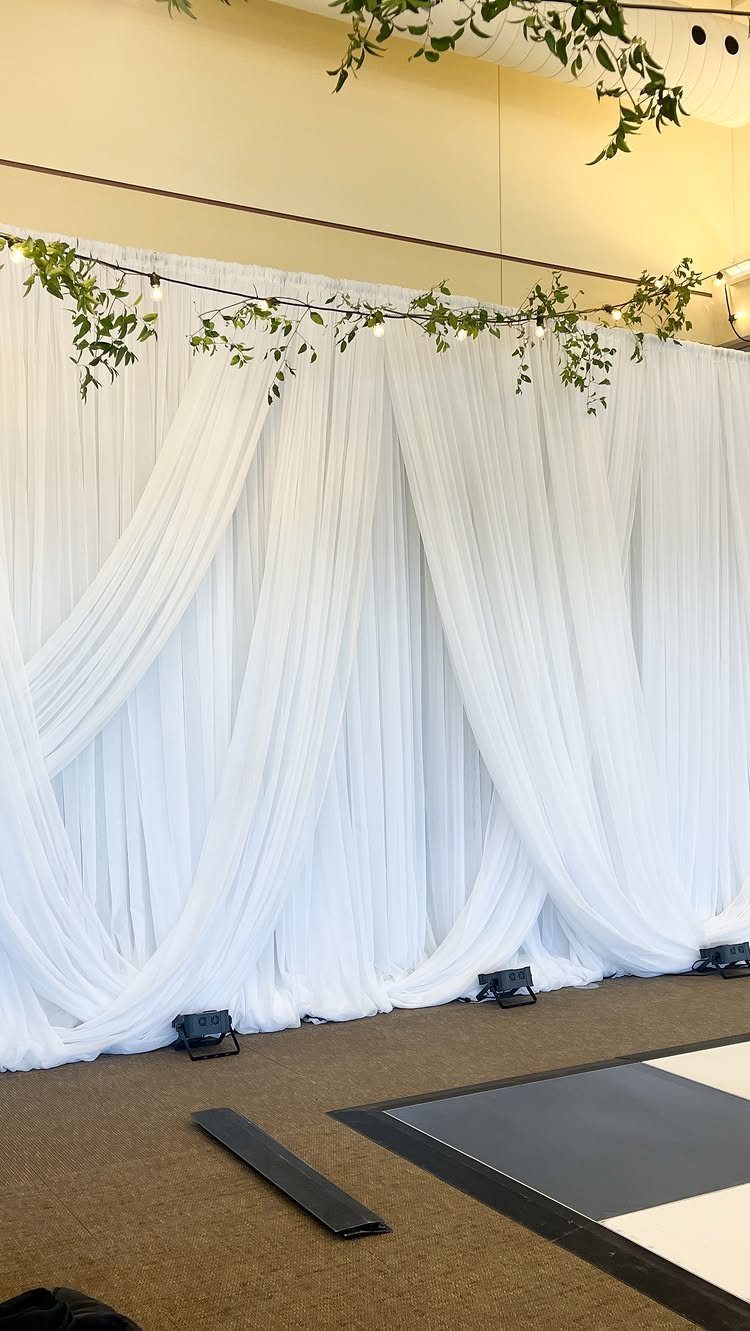
Decor goes wrong in the details nobody wrote down, like who hangs the lights, who brings a ladder, and who takes it all down at midnight. A decor checklist puts those jobs on paper.
List each item by area: backdrop, lighting, tables, entrance. Next to each, note who sets it up and when the venue lets you in.
Count every piece, power source included, before you buy any of them.
Tips for Staying Organized
A wedding binder and a digital planner both work, so pick the one you will open on a bad day.
A binder with pocket dividers suits contracts, receipts and printed swatches; a digital folder suits couples who plan from their phones.
Whichever you choose, keep everything in that one place: vendor contracts, inspiration, and payment confirmations.
Track every expense in a spreadsheet, including the small ones that add up. Small purchases add up fast against a real budget, and a running total tells you when to say no to something.
Ask for help early, too. Friends and family are usually glad to take a job, and handing off one task, like collecting RSVPs, frees up real time.
Managing Wedding Day Stress
Delegate by handing over a whole job, not a vague favor.
"Can you handle the guest shuttle?" works better than "Can you help out that day?" Write down the person’s name and what finished looks like.
Schedule breaks the same way you schedule vendor calls. One evening a week with no wedding talk keeps planning from taking over the relationship.
If the list still feels too big, a wedding planner is worth pricing out.
Even a partial package that covers the final weeks can take the details off your plate, so ask what each tier includes before you decide whether it fits your budget.
Importance of Early Planning
Start once you can talk through 4 things: priorities, budget, a guest-count range, and possible dates. You do not need final answers, only a starting shape.
12 months gives popular venues and vendors the most open dates, and I lean toward that for a peak-season weekend. A tighter timeline works when you move fast on the first steps and stay open to any available date.
Set the budget before you book anyone, and decide which parts of the day matter most to you. Then leave some wiggle room in both money and schedule, because delays and surprise costs do show up.





