Start with the ceremony venue, because its date and capacity set the order for nearly everything else on a 12 month timeline.
The list runs from free items like flexibility and advice for managing stress to bookings like the ceremony venue, wedding flowers and vendors, and the date you can lock decides which ones you tackle first.
Popular spots book up, so the ceremony venue goes first, and the rehearsal dinner, wedding party and wedding flowers follow once it is set.
1. Wedding Bands
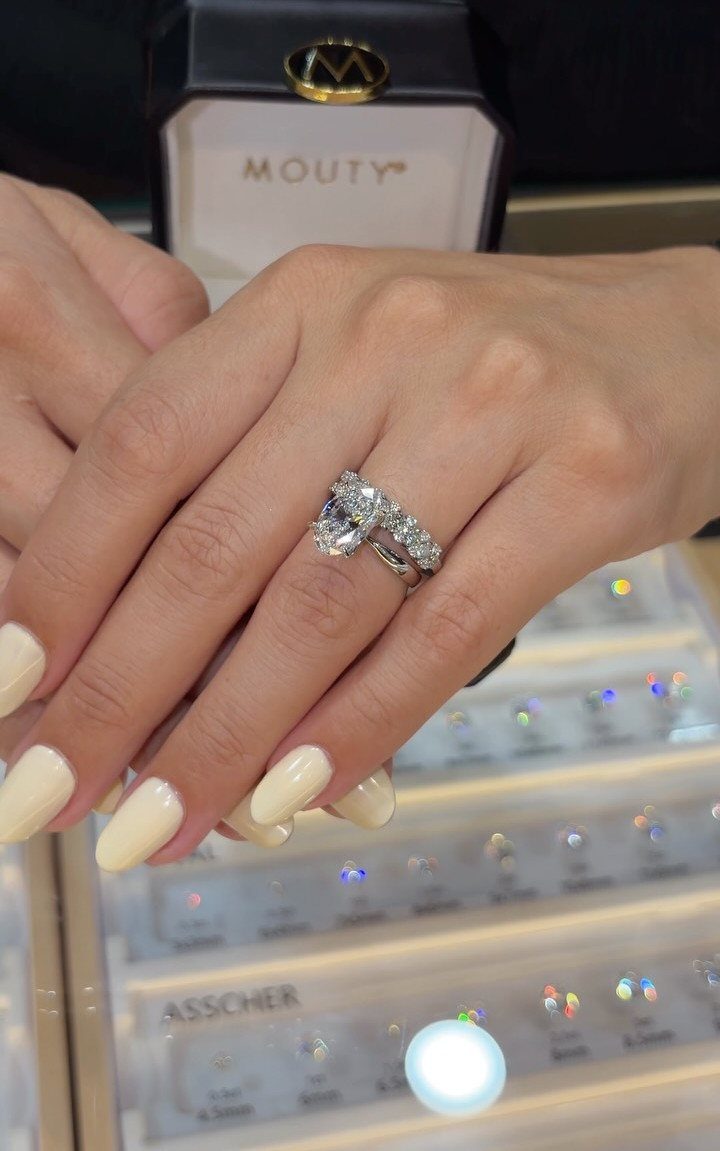
Order bands earlier than feels necessary, because sizing, engraving and any resizing all add days, and a rushed fitting is the usual way a ring ends up wrong.
For a 12 month timeline, I would shop around the midpoint and have both rings in hand a couple of months before the wedding.
A plain band is the budget-friendly pick. If you wear an engagement ring daily, try the band stacked against it first, since a diamond setting can sit awkwardly beside the wrong profile.
2. Rehearsal Dinner
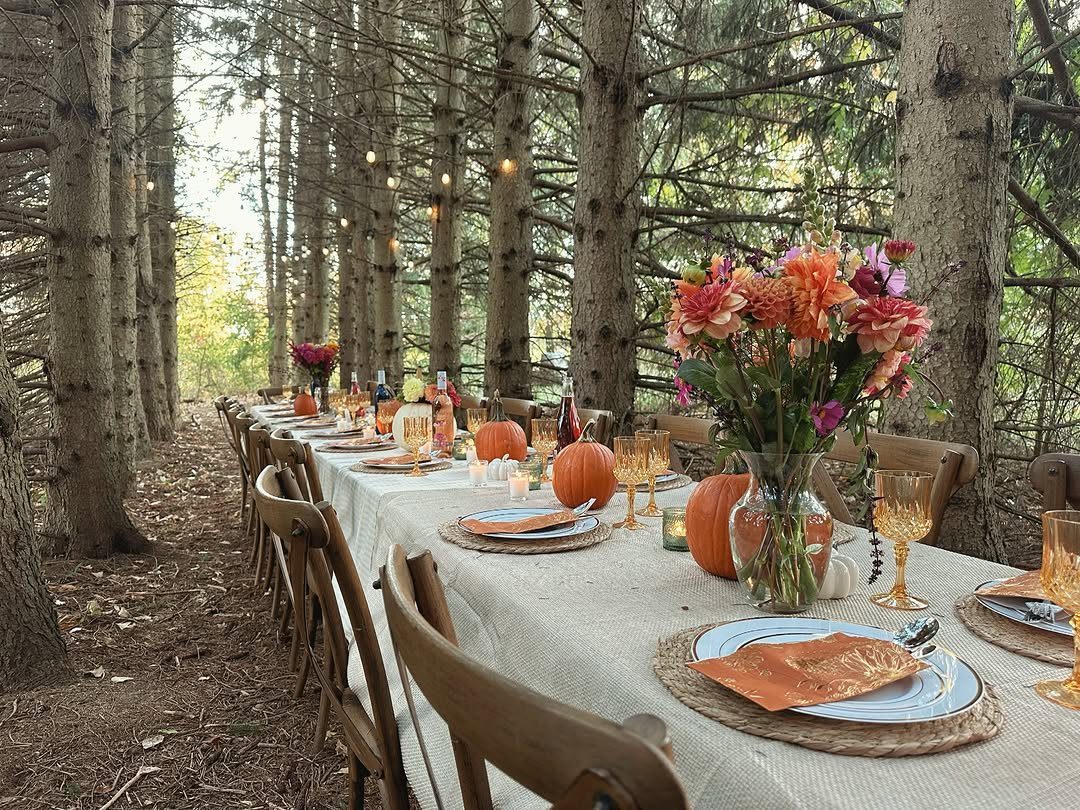
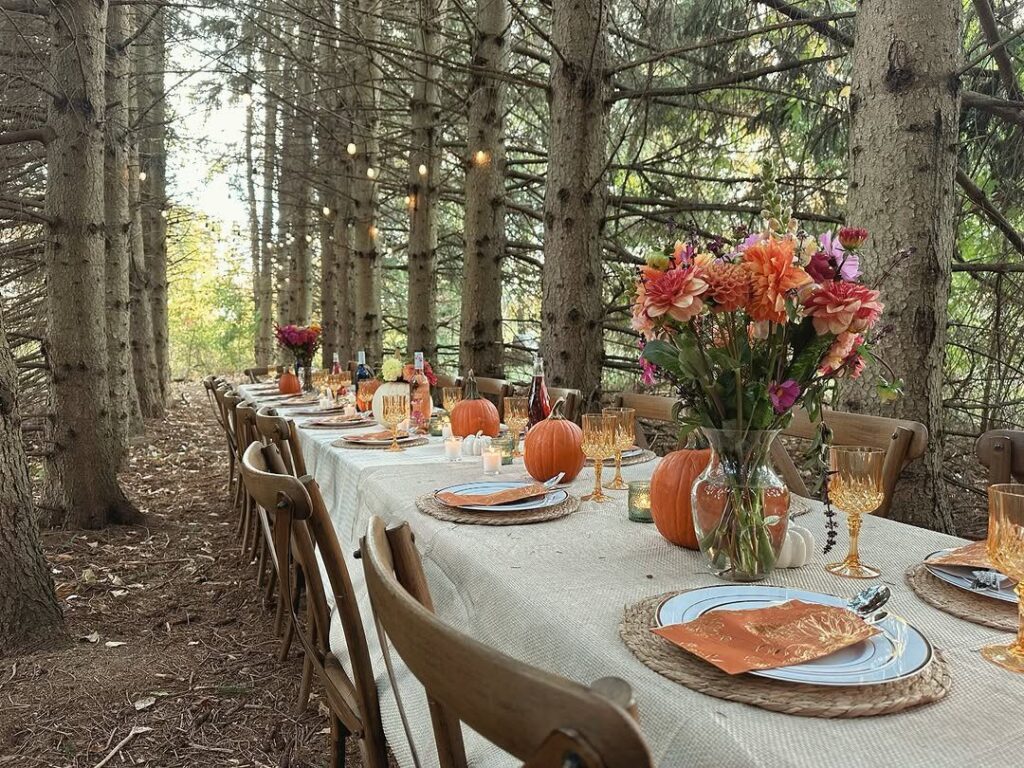
A rehearsal dinner can be as small as the wedding party and close family around one long table, and that size is its advantage.
Fewer people means a lower bill, and you get to spend real time with the ones who matter most.
Settle the guest list first, then the budget, then the place.
An outdoor table under string lights, with seasonal touches like pumpkins, costs less in decor than a hired room. I would book it right after the ceremony venue, so travel plans can be set around both.
3. Seating Chart
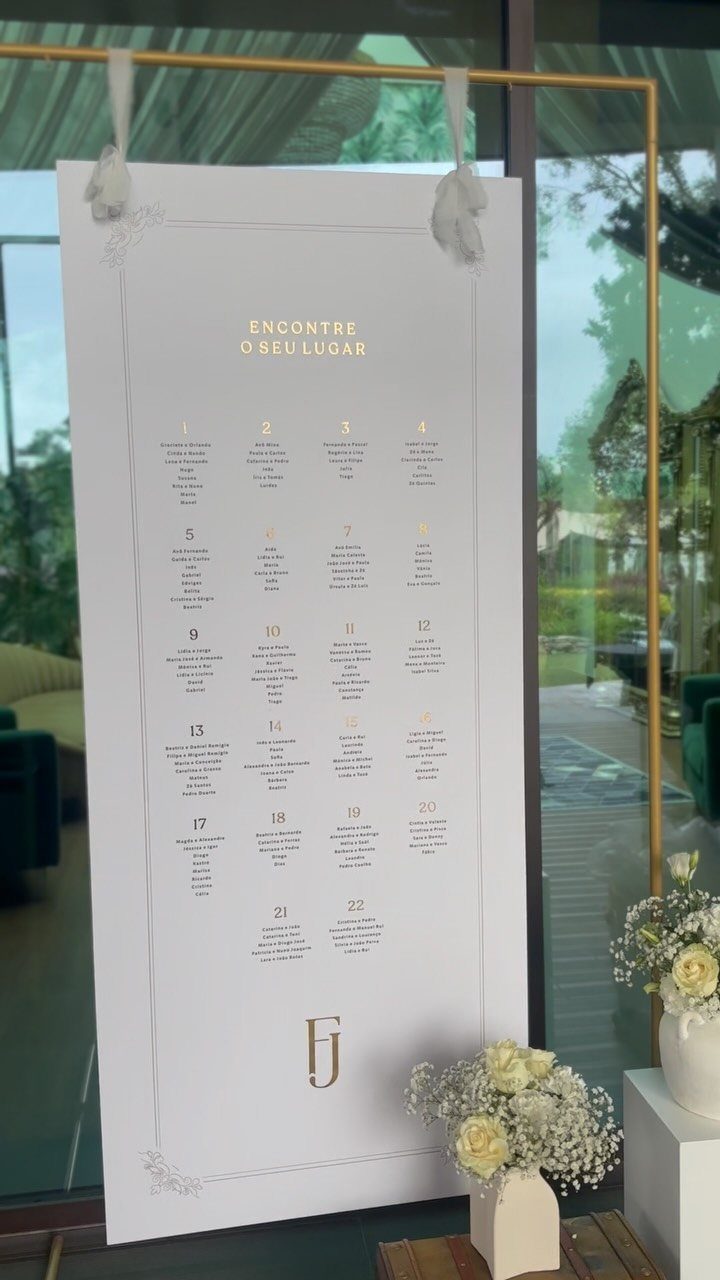
Guests read a seating chart standing up, in a crowd, so clean type and clear table numbers matter more than ornament. Group names under each table and alphabetize within it, which makes your own name quick to spot.
Print it only after RSVPs close, and leave a few days to fix mistakes.
I like a hanging frame with ribbons over a flat easel, since it stays readable above the crowd. A few white flowers nearby are plenty.
4. Post-wedding Brunch
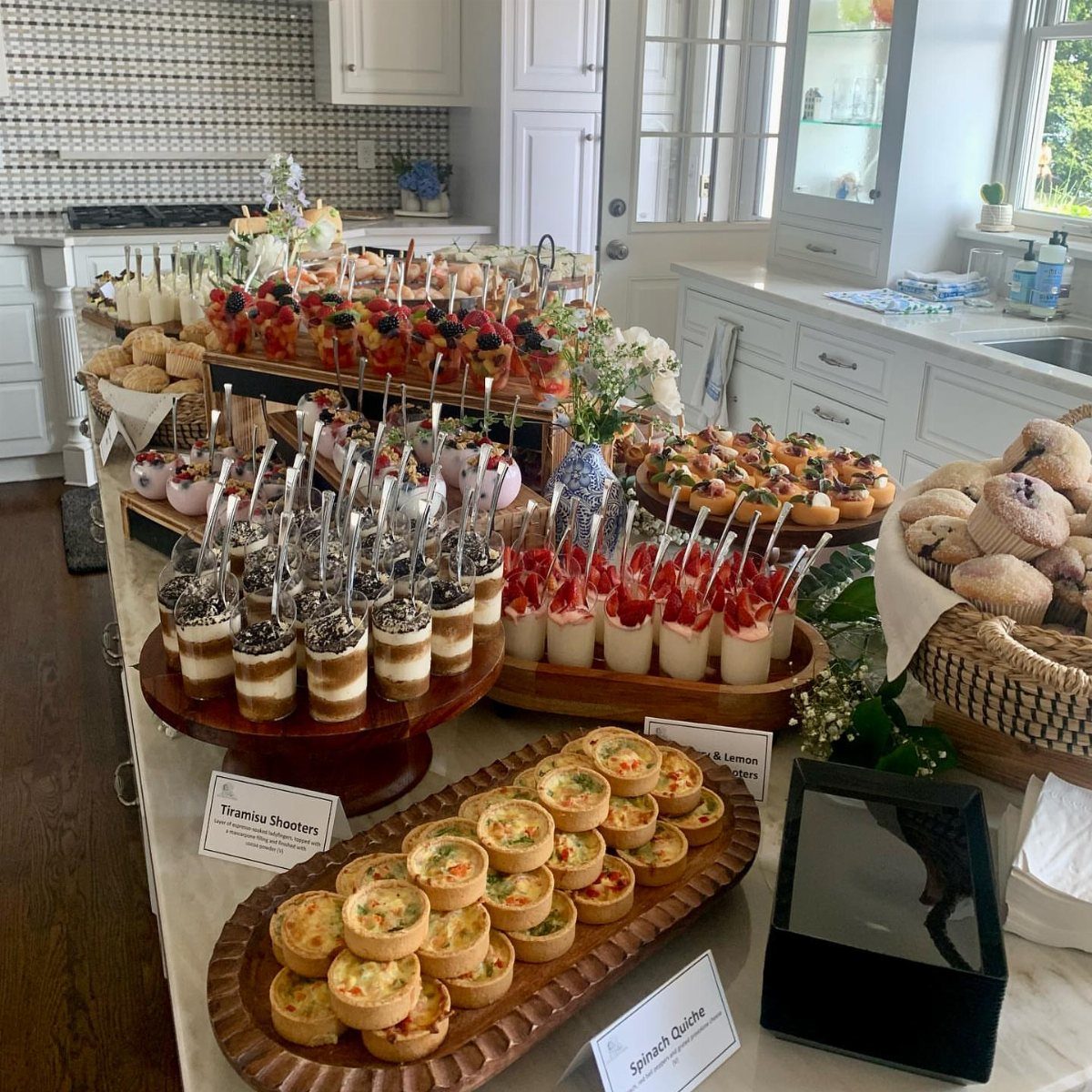
A morning-after brunch is the cheapest way to get one more meal with your guests. Keep it casual: mini quiches, fruit tarts and muffins all work as finger food, so nobody needs a plate or a seat.
Small printed labels are worth the few minutes they take, because they answer the allergy and ingredient questions before anyone asks. I would invite out-of-town guests and family only, which keeps the headcount and the bill manageable.
5. Engagement Photos Shoot
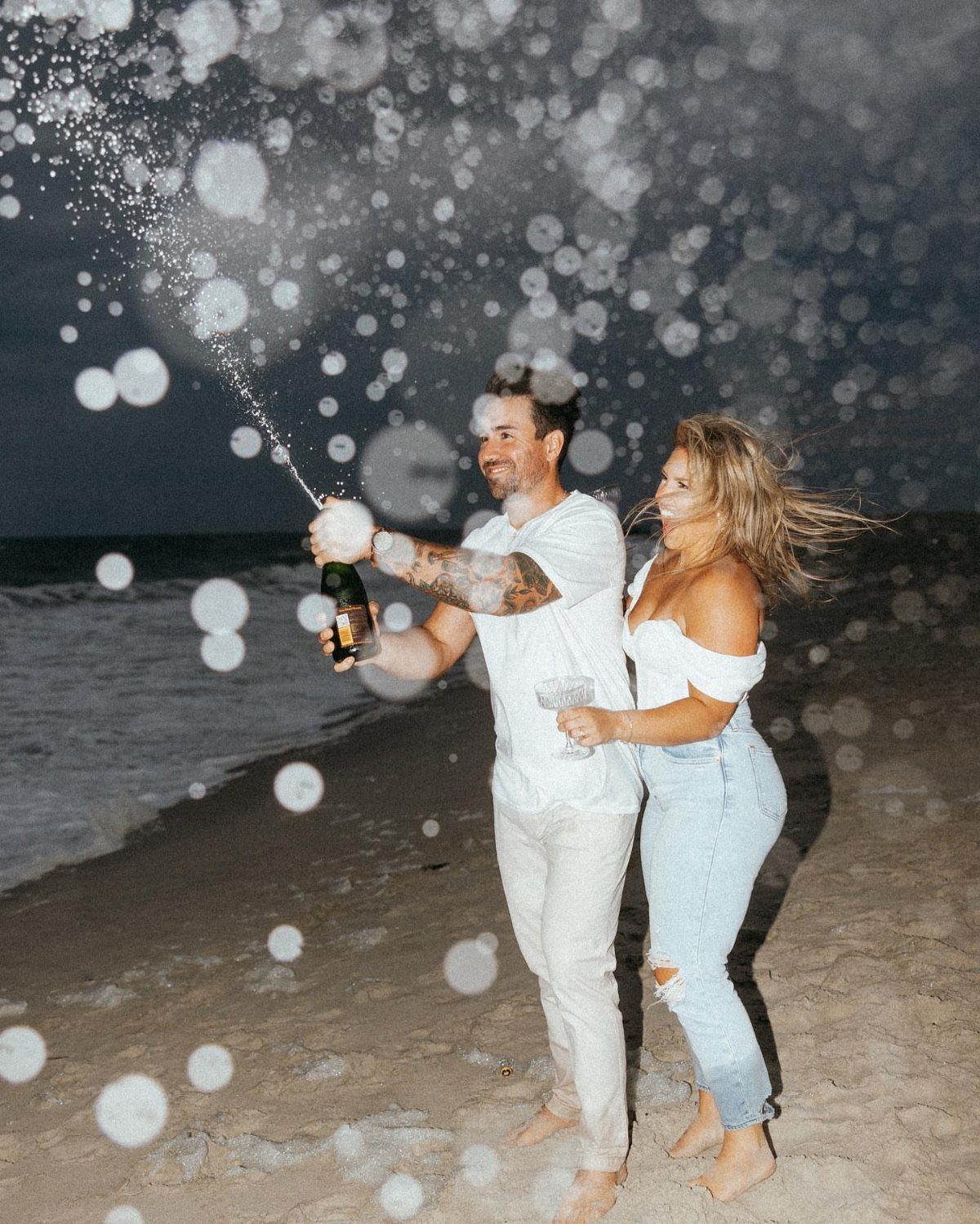
Book the engagement shoot early in your year, so the photos are ready for save the dates and the welcome sign.
A session also works as a trial run with your photographer, and you will learn how you feel in front of a camera before the wedding.
Pick a place that means something to you both. A beach after dark with a bottle of champagne is a fun, low-cost idea, though night shooting demands a photographer comfortable with low light, so ask to see examples.
6. Ceremony Venue
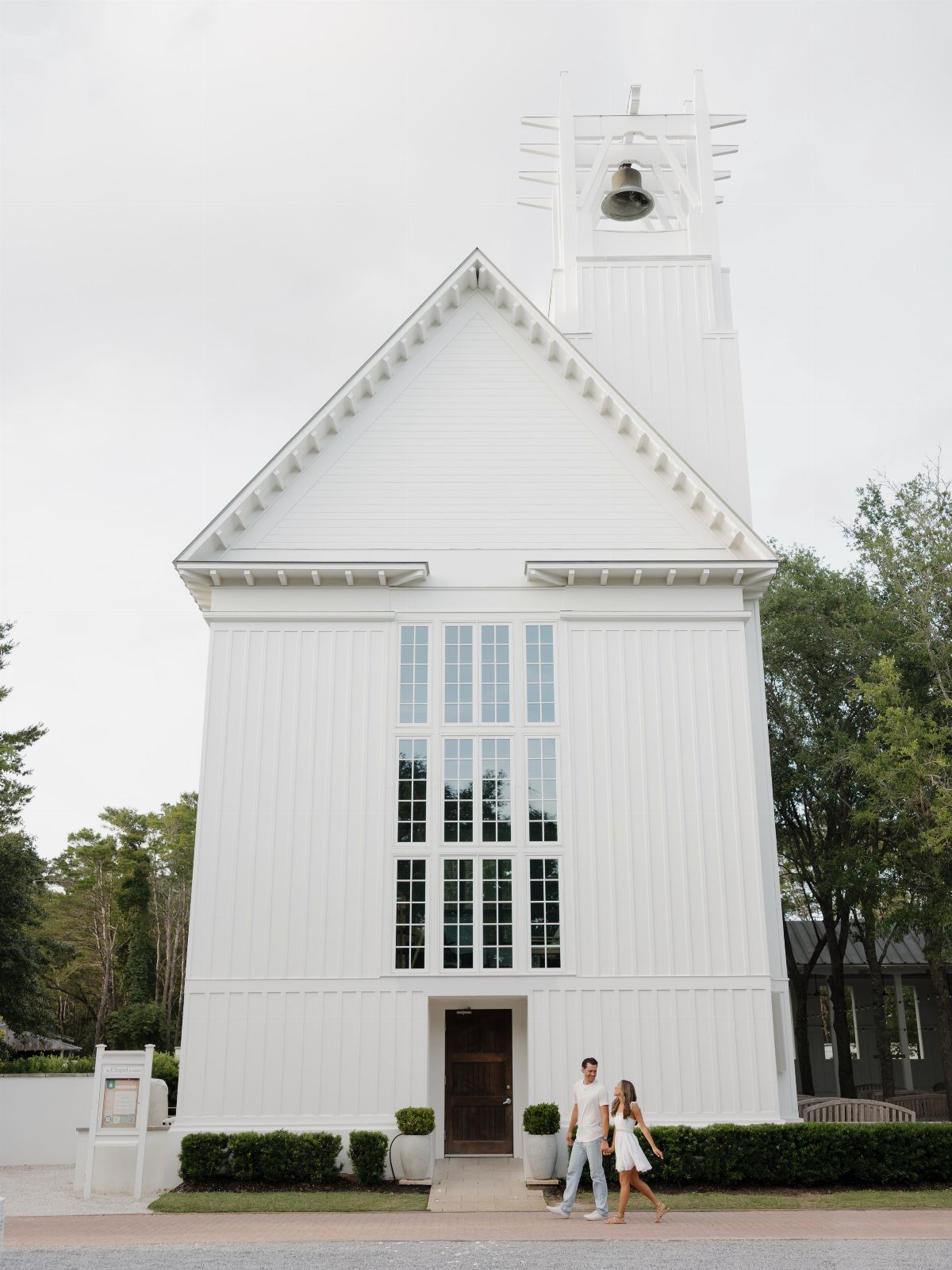
Start with the ceremony venue, because its date and capacity decide almost everything else on your list. Lock it down first, right at the start of your planning, since popular spots book up.
A small chapel with a bell tower looks like a classic, and I would pick one over a blank hall for that reason alone: the architecture is the decor.
Ask whether it handles the reception too, and what the rental covers, before you sign anything.
7. Wedding Flowers
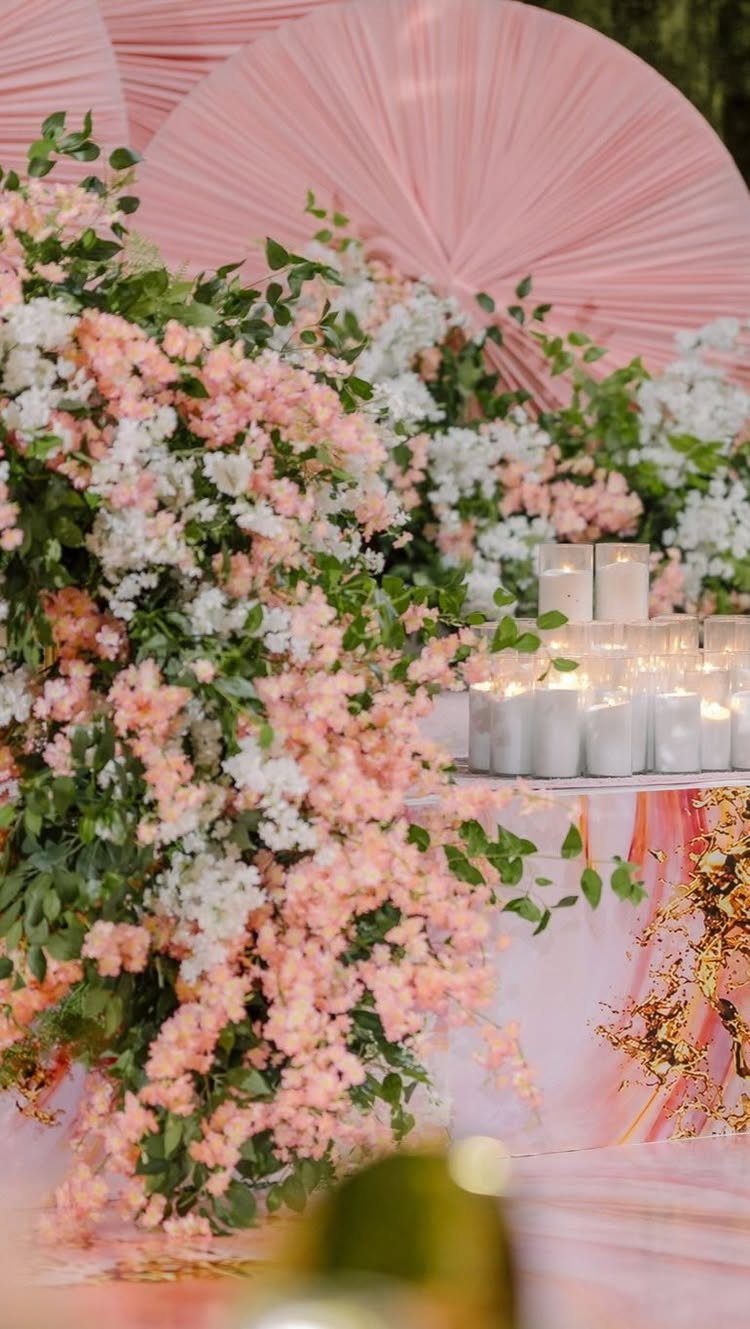
Pink and white flowers with greenery hold together well, and pillar candles in glass cylinders add height without more stems. Settle your color palette before you talk to a florist, since every other choice follows from it.
I would put the budget there: a few full arrangements at the ceremony spot, then fewer stems elsewhere.
Book the florist once your ceremony venue is locked, so they can see the space.
8. Personalized Decor
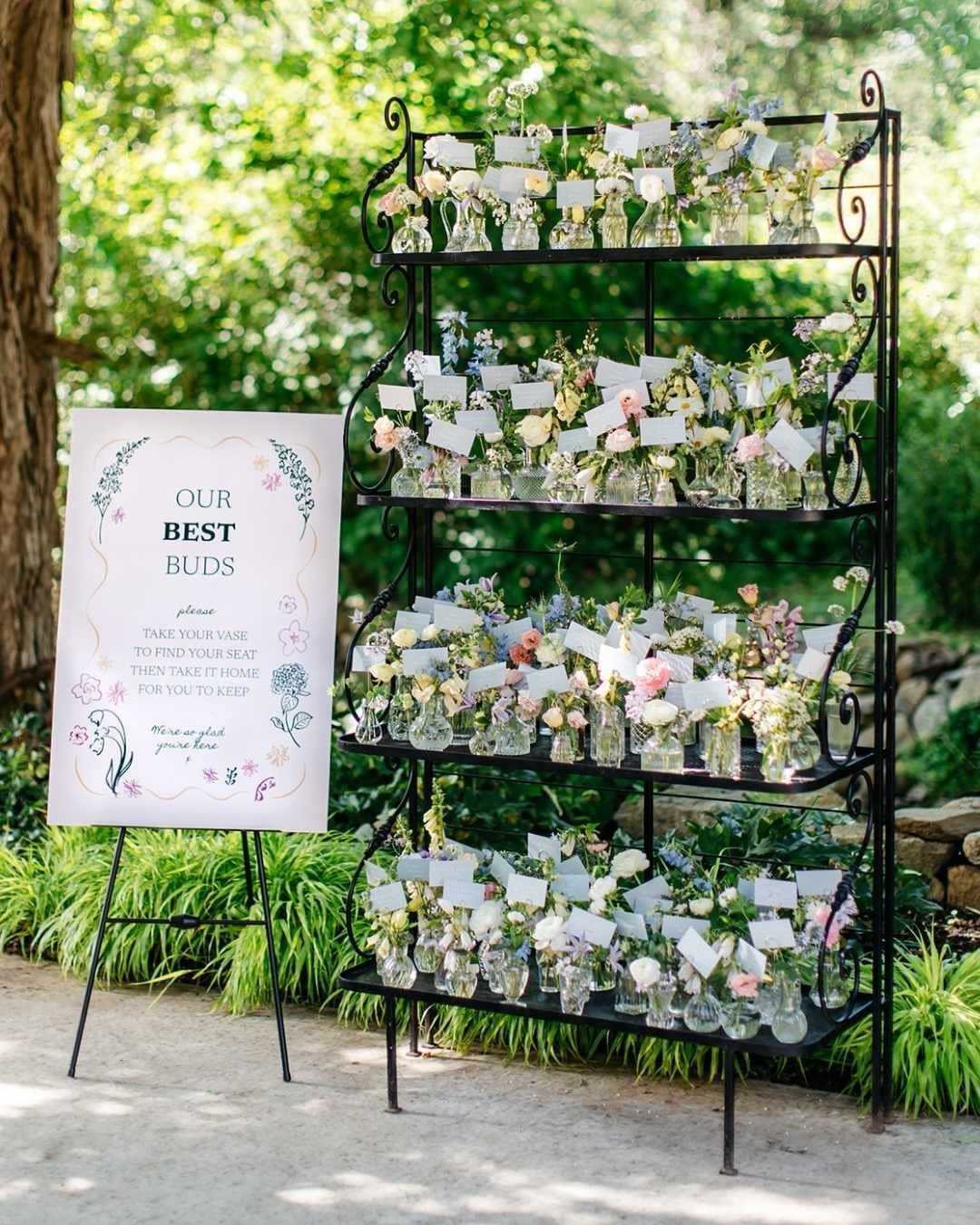
Each guest takes one home, so you buy the decor once and it does a second job.
A sign with a pun, like "Our Best Buds," gives the display a theme without extra props.
Order tags once the final head count is locked, so the number is right and nothing sits unclaimed.
9. Wedding Party
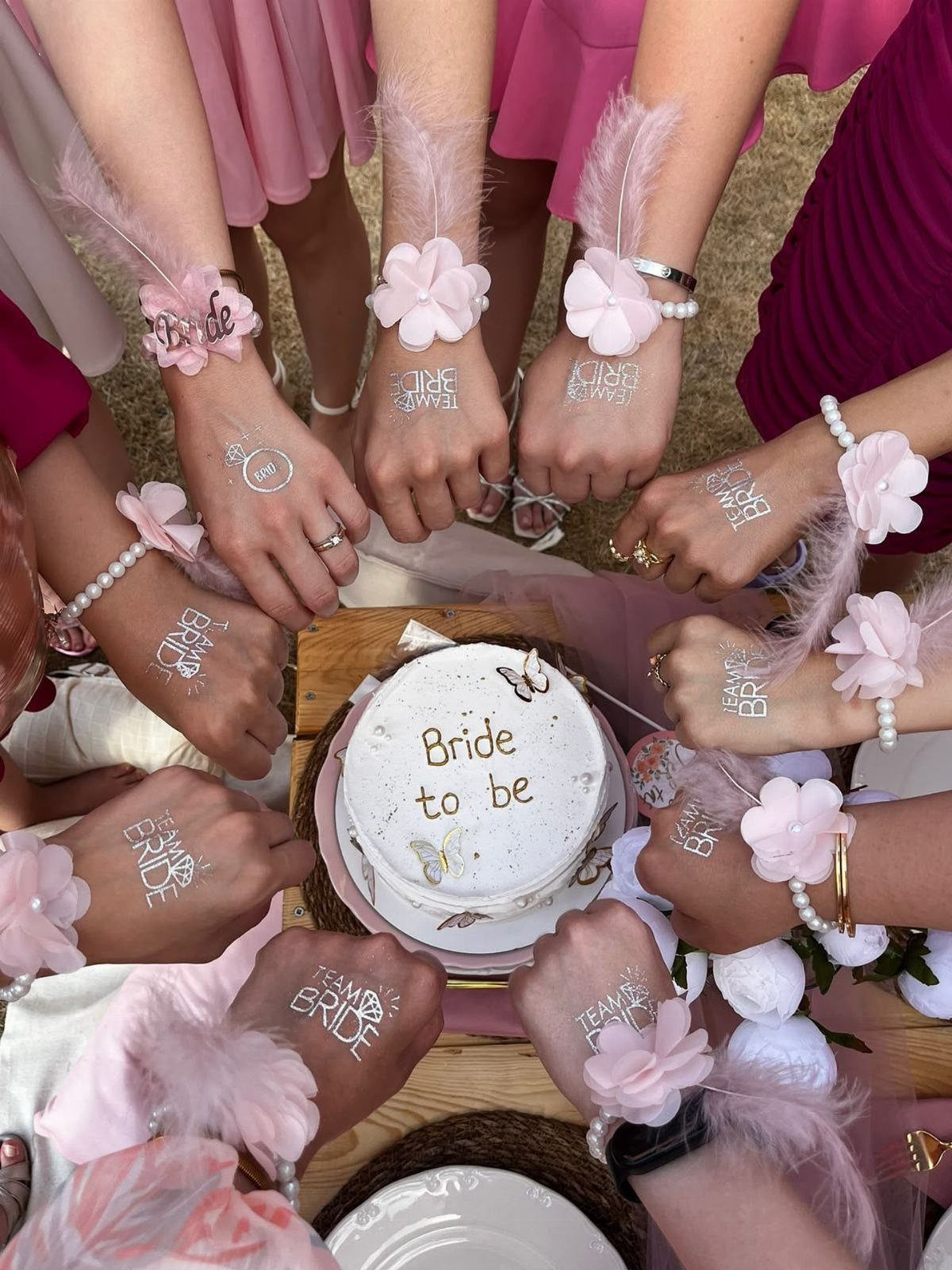
Choose your wedding party by who you want beside you for the whole year, not by who you owe. A smaller group costs less, and every person adds dresses, gifts and one more schedule to coordinate.
Ask early, ideally right after the ceremony venue is set, so everyone can plan around the date.
10. Bridal Shower
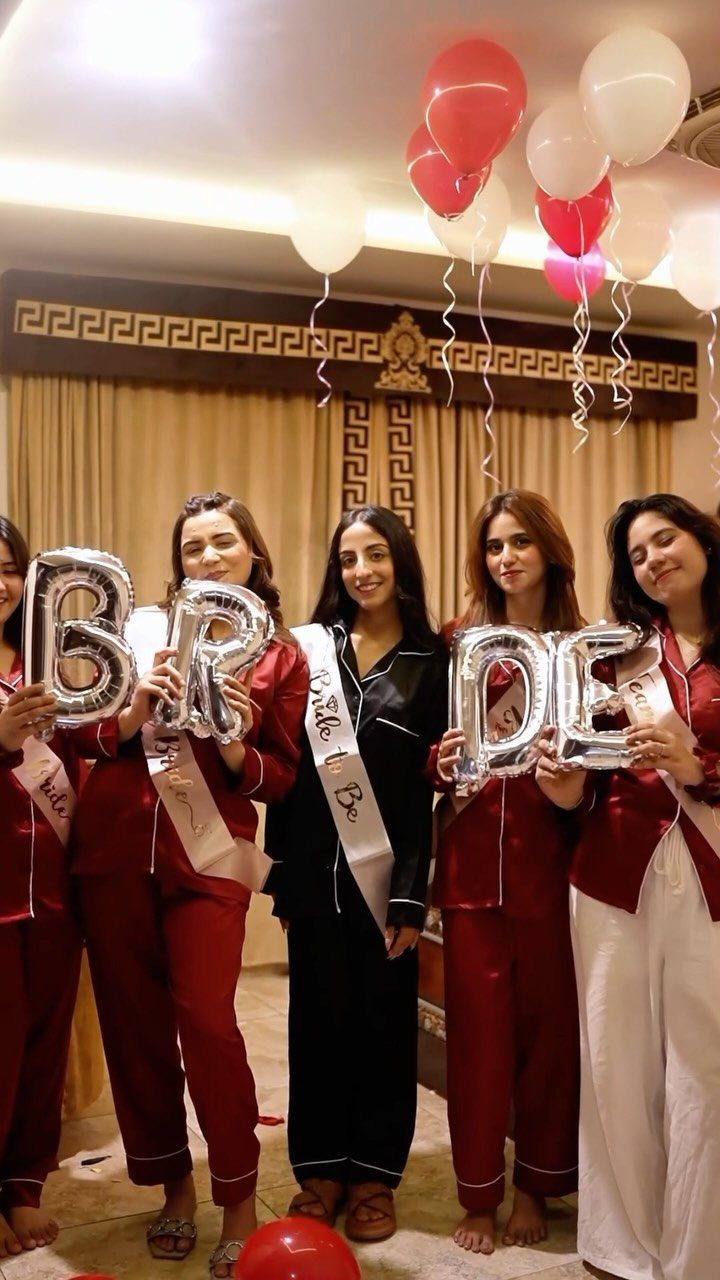
Hosting the bridal shower at home, with a simple backyard or living-room setup, costs little, and it suits a budget-minded couple better than a rented room.
Let the host set the guest list, and send your own contacts early so nobody is missed. Keep it to close friends and family if you want it intimate.
Silver letter balloons are an inexpensive way to get a photo backdrop. Send thank you notes for shower gifts as they arrive, not all at once later.
Advice for Managing Stress
Enjoy the engagement while it lasts. A year goes fast, and couples who treat every weekend as planning time tend to burn out before the wedding does.
Break each big task into steps small enough to finish in one sitting. "Find a photographer" is a weekend of dread; "save 3 portfolios you like" is one sitting.
Pick one evening a week with no wedding talk, and protect it the way you would a vendor appointment. Your partner will thank you, and so will your decision-making.
Importance of Flexibility
Flexibility is one of the few budget tools that costs nothing.
If you can move your date, you give vendors room to offer you an opening they would otherwise sell to someone else, and that often comes with a better price.
Keep multiple acceptable dates in mind before you start calling, and ask each vendor what they have open on all of them.
The same goes for the vendors themselves: have a second choice for each category, so a single "no" does not stall your timeline.
Decide ahead of time what you will not bend on. Everything else is a place to save.
Communication with Vendors
Put every agreement in writing, filing the emails together. When a date, a time or a price is only in your memory, it will drift.
Ask each vendor for their own timeline of the day, then compare them all at once. Mismatches show up fast: a florist arriving after the photographer needs the room, for example.
Reply to vendor questions within a day or two, and say plainly what you expect from them. Clear, short messages beat long ones, and a quick confirmation a week before the wedding catches most surprises.
Frequently Asked Questions
What should I do first after getting engaged?
Take a week to enjoy the news, then sit down with your partner and pin a total number to the budget, plus a draft guest list of rough headcount.
The next big call is the ceremony venue, because the dates it has open and the number of chairs it holds shape nearly every other line on your list. Popular spots book up, so this one shouldn’t wait.
How far in advance should I book my venue?
Aim for about 12 months ahead, and sooner if you can manage it.
Many venues fill more than a year out, and the ceremony venue sets the date and headcount that every other booking depends on. Before you sign, ask what the rental covers and whether the space can also host the reception.
When should I send out save-the-dates?
Plan on about 9 months before the wedding. Etiquette puts save-the-dates at 6–8 months out, and guests who must travel or book hotels need that full window or more, while a destination wedding calls for around 8 months.
Photos from an engagement shoot booked early in your year can go right on them.





