Lead time decides the order: Wedding Dresses and Suits can take 6–8 months to make plus 2 or 3 more for fittings, so they start early, while the Wedding Cake waits until your guest count is firm.
1. Wedding Venue
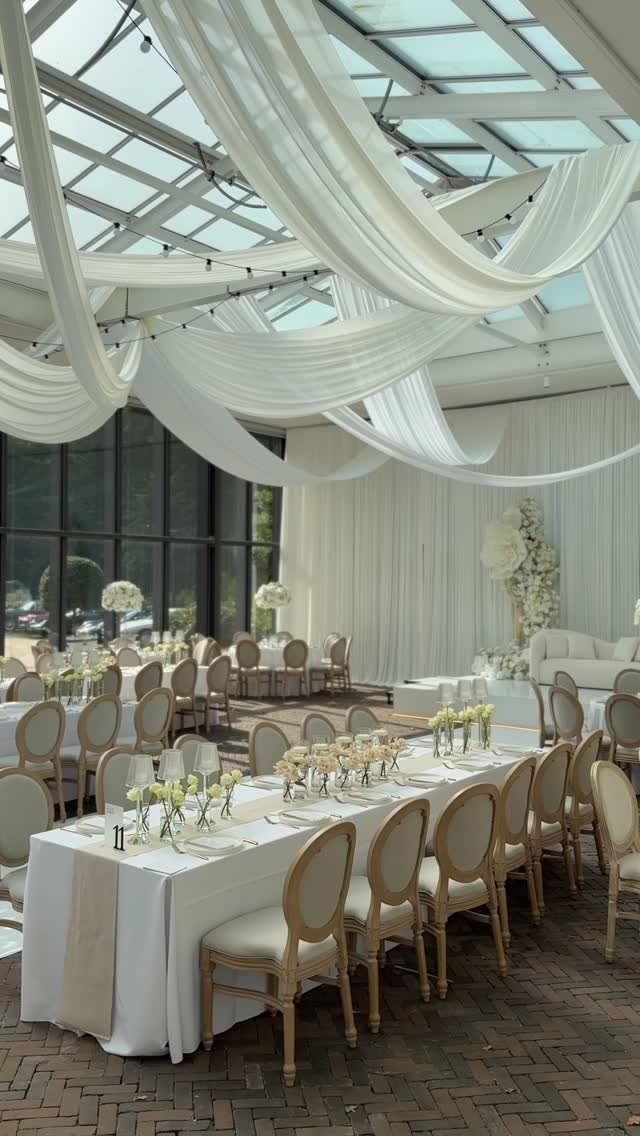
Book the venue first, because the date, the guest count and most of the budget hang on it. Every other vendor will ask where and when before they quote you.
A room like this one, with a glass ceiling and long tables, already supplies much of the decor, so you spend less on draping and lighting.
Tour with a rough headcount in hand, and ask what the rental fee includes (tables, chairs, linens, cleanup) before the room wins you over.
Sign only after you have read the cancellation terms.
2. Rehearsal Dinner Venue
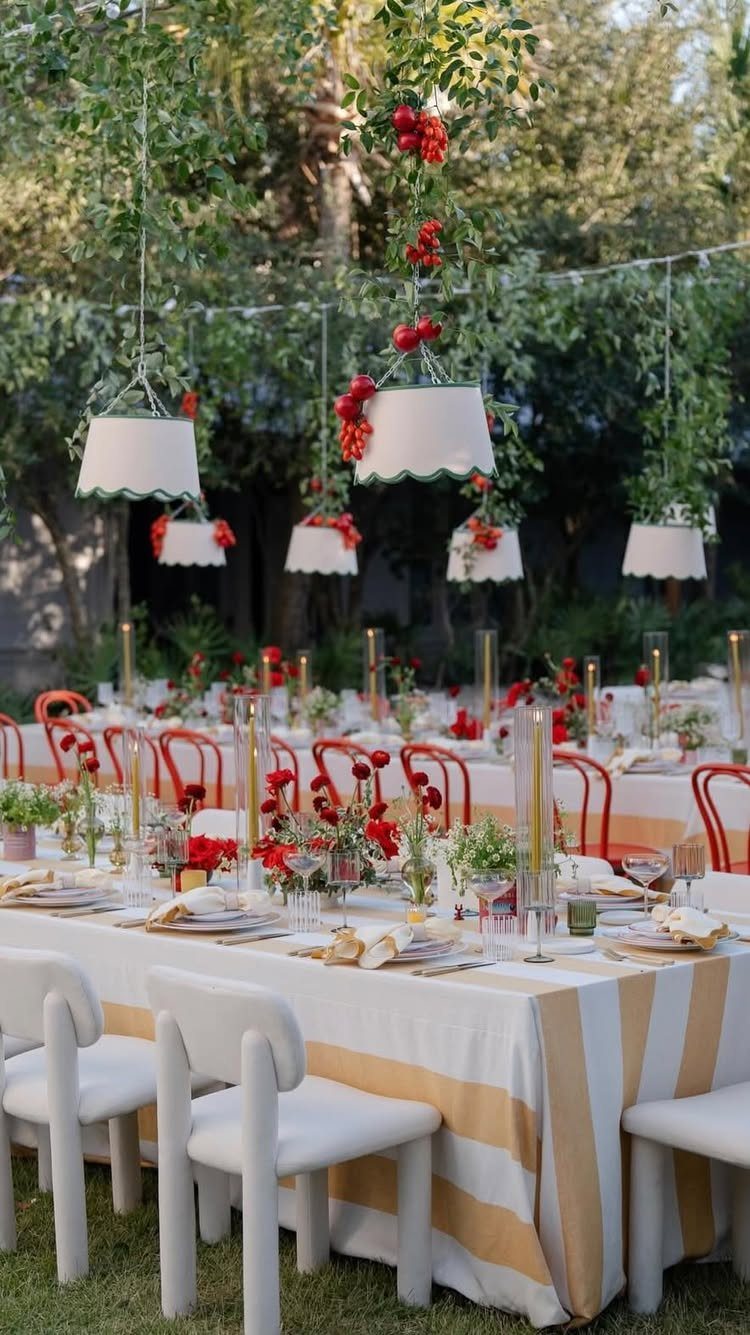
A dinner the night before lets both families talk without the pressure of the big day. It is the one chance for the two sides to actually sit and eat together.
A garden with string lights and long tables keeps things relaxed, and I like it better than a stiff restaurant back room.
Book it a few months after you lock the wedding venue, and keep the guest list to the wedding party and close family so the cost stays reasonable.
Ask about a backup plan for rain.
3. Wedding Bouquets
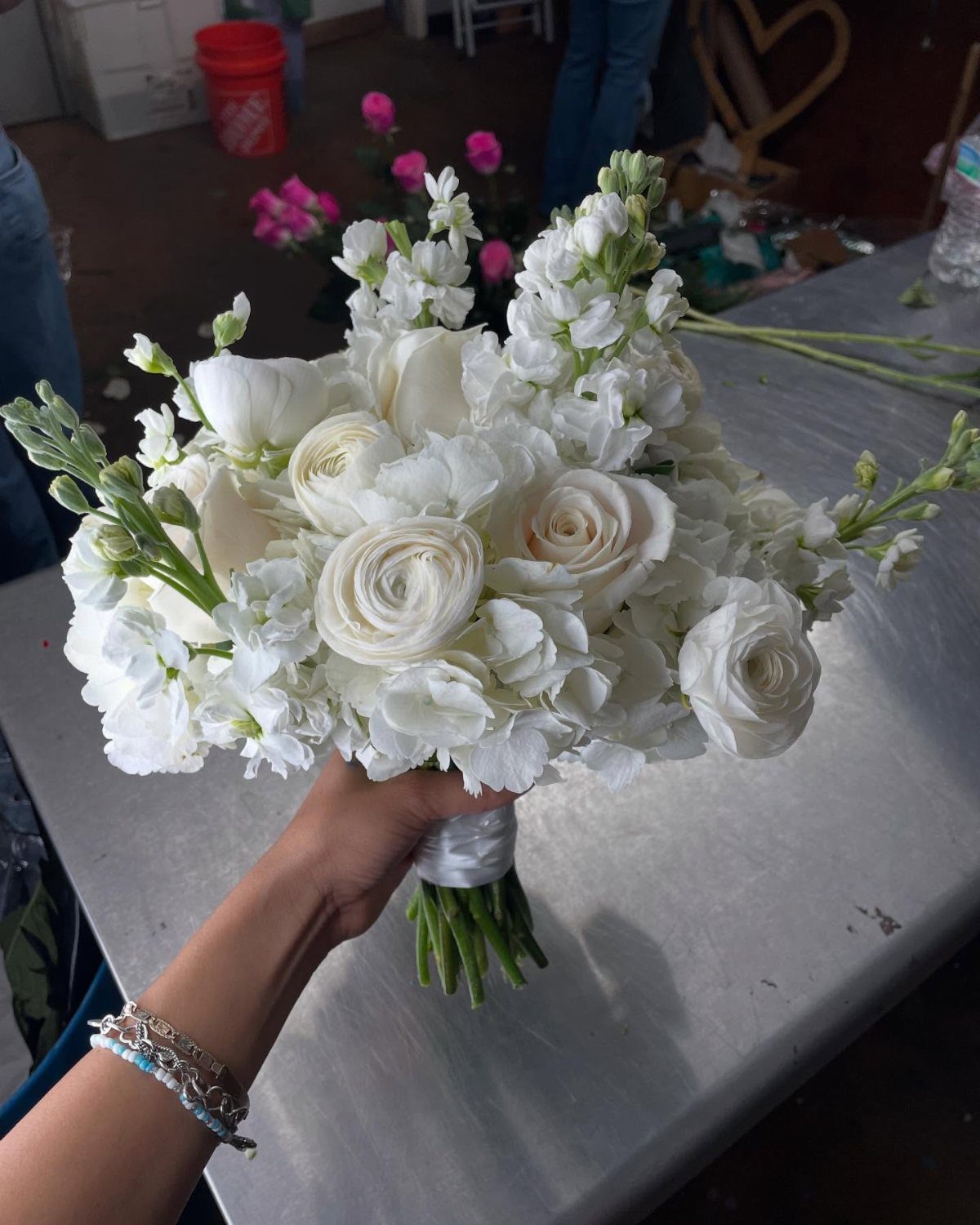
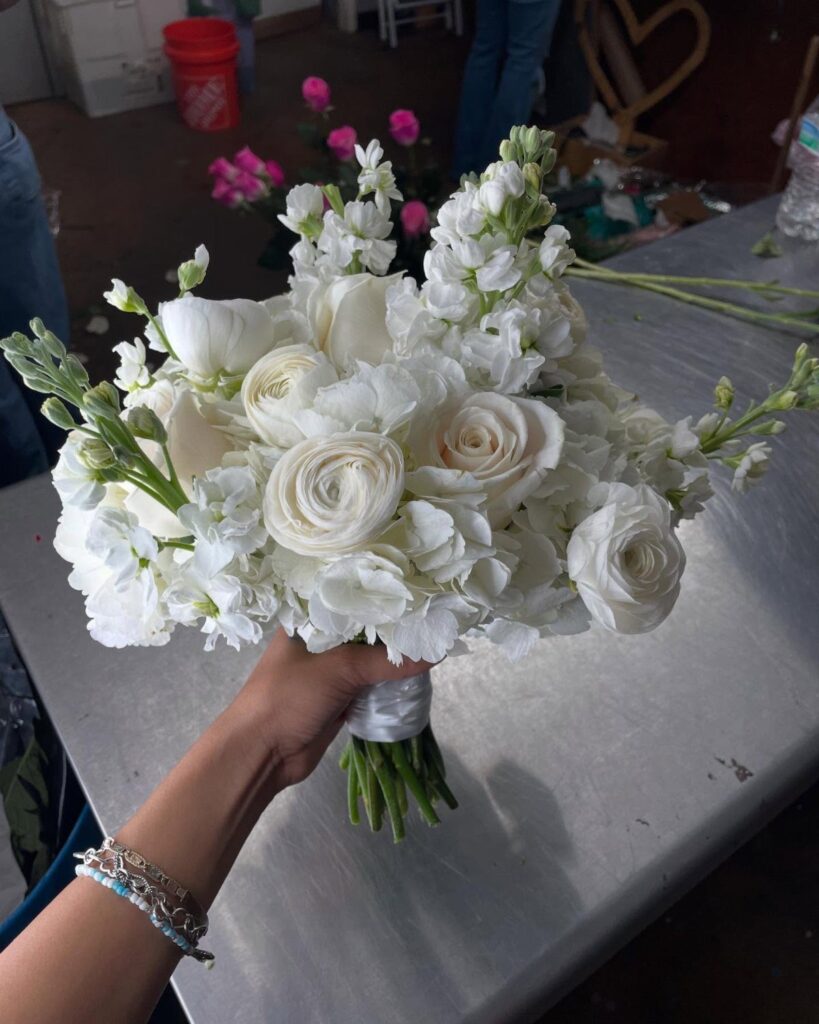
Your bouquet is the flower arrangement you will hold in nearly every photo, so decide on it early. Roses and ranunculus in white read soft and classic, and they work with almost any dress.
Meet a florist with a photo of your dress and your color palette. Flowers cost real money, so I would put the budget into the bouquet and the ceremony pieces, then keep the centerpieces simple.
Confirm the delivery time in writing.
4. Wedding Dresses and Suits

Start shopping for the dress early, since a high-neck lace gown like this one may need ordering and fittings. Suits are quicker, but a tailored fit still takes time.
Set a firm price cap before your first appointment, and include alterations in that number. I would bring only 1–2 people whose opinions you trust.
Try on silhouettes you think you will hate; one of them often wins. Order the gown, or buy the suit, well ahead of the wedding date.
5. Wedding Cake
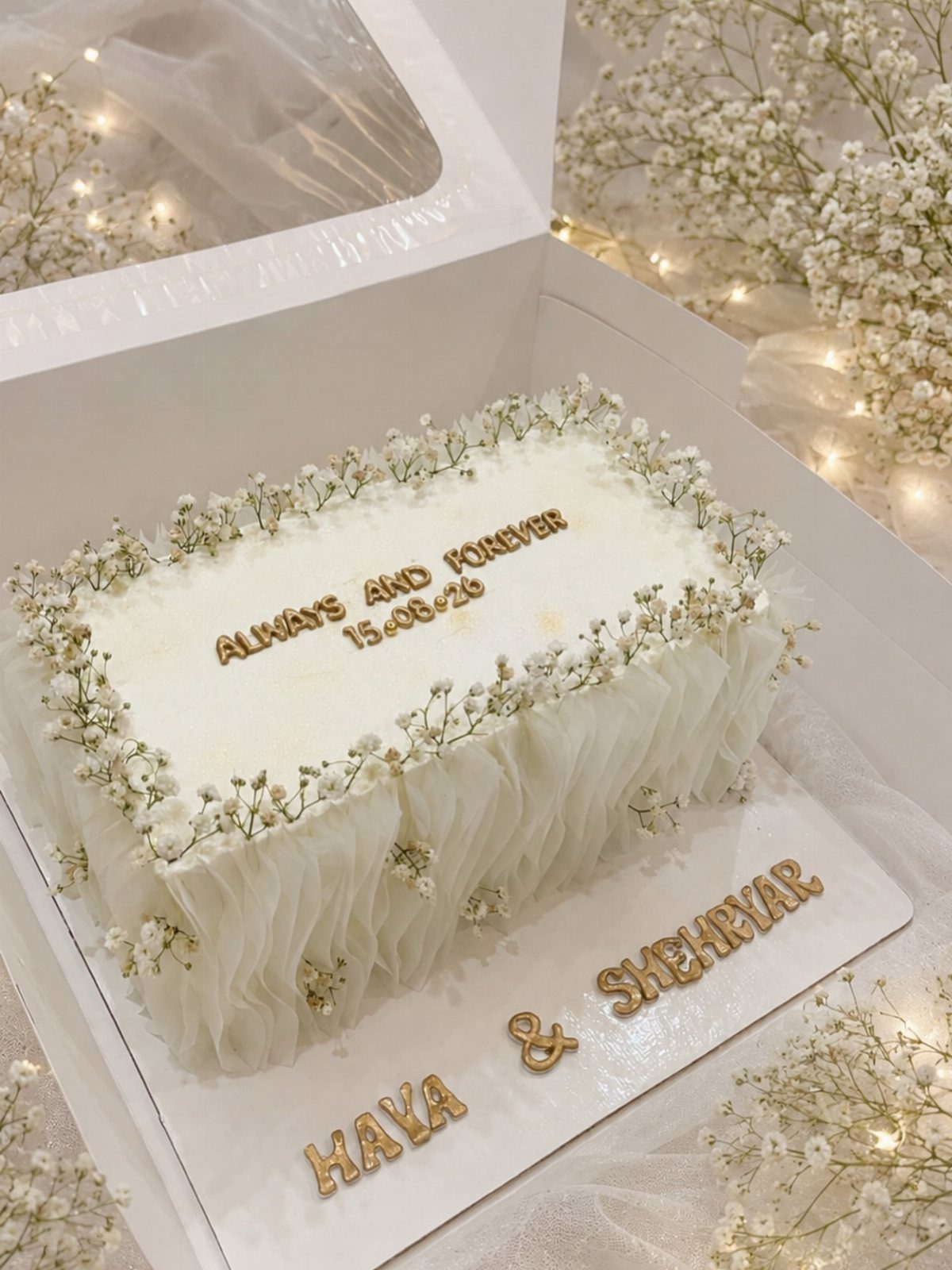
A simple rectangular cake with ruffles and baby’s breath is a good way to get a handmade look without paying for towering tiers. Names and a date in lettering make it personal.
Book a baker once your guest count is firm, and schedule a tasting for flavors. I would choose one flavor you love over three you merely like.
Ask the baker how the cake gets to the venue, and who sets it up.
6. Marriage License
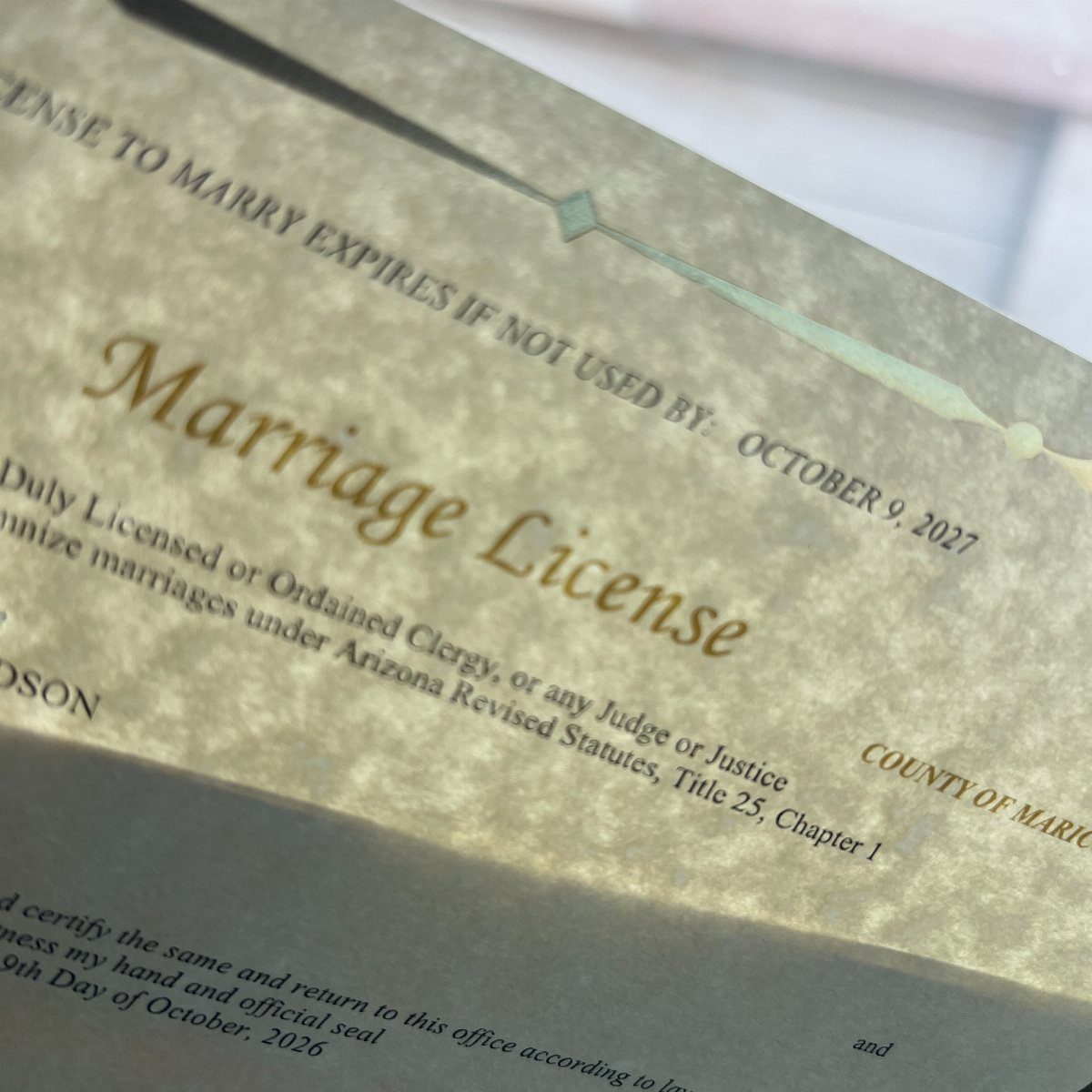
A marriage license is the legal document that makes the wedding official, and it comes from the county where you plan to marry.
A marriage license carries an expiration date, and it varies by state and county, so read yours closely and time the ceremony to fall inside that window.
Rules differ by state and county. Check your clerk’s website for ID requirements, fees, waiting periods and how long the license stays valid.
I would apply a few weeks before the wedding, not the week of.
Advice for Managing Stress
A year feels manageable once you chop it into 3-month blocks, each with its own short list of decisions to finish. Give each month 2–3 tasks, and let anything that is not due slide to the next one.
Before you book anything, decide which vendors matter most to you, because those are the ones that get first pick of your budget and your calendar.
Photographer, caterer and music shape the day more than favors or signage do, so spend your energy there first and let the small decisions wait.
Put rest on the calendar like any other task. One evening a week with no wedding talk, no tabs open and no spreadsheet keeps the engagement from turning into a second job.
Importance of Early Planning
Popular venues tend to fill up more than a year ahead, so early booking is how you get the date you want, not just a way to feel organized.
Once the venue is set, book your core vendors in this order: photographer, videographer, caterer (if the venue does not include one), DJ or live band, and a planner or day-of coordinator.
With each one, read reviews, look at full galleries instead of highlight reels, compare packages, and sign a written contract.
Dress shopping belongs in this early stretch too. A dress can take 6–8 months to make and another 2 or 3 for fittings, so ordering early widens your options and keeps you from paying rush fees.
Communication with Guests
Once the date and venue are locked in, set up a wedding website so guests have one place to check.
Put on it your story, the event schedule, registry, travel information and an FAQ section; a good FAQ saves you from answering the same text 40 times.
Send save-the-dates early, after the date, venue, guest list and stationery are confirmed.
Early notice lets guests book travel and request time off, and it usually means a stronger turnout.
Frequently Asked Questions
What should I do first after getting engaged?
Celebrate with friends and family, then start on your budget and guest list.
Those 2 numbers shape every choice after them. Once you have a rough headcount, book the venue first, since the date, the guest count and most of the budget hang on it.
How far in advance should I book my venue?
Book it 12–18 months ahead. Booking early matters because the well-known venues often have their best dates gone a year or more ahead.
Before signing, check the cancellation policy and find out exactly what the rental fee includes, whether that is tables, chairs, linens or cleanup.
Which vendors should I book after the venue?
Go in this order: photographer, videographer, caterer (if the venue doesn’t include one), DJ or live band, then a planner or day-of coordinator.
Those three, photography, food and music, do far more to set the feel of the day than favors or signs ever will.
Check reviews, ask to see a full gallery rather than a highlight reel, and get every agreement in writing.
When should I start shopping for a wedding dress?
Start early, because a dress can take 6–8 months to make and another 2 or 3 months for fittings. Decide on a hard spending limit before you try on a single gown, and count alterations inside that number.
When should I book the wedding cake baker?
Book the baker once your guest count is firm, and schedule a tasting.
A guest count that is still shifting changes the size and price of the cake. Also ask how the cake gets to the venue and who sets it up.
How do I keep a 12-month timeline from feeling overwhelming?
Split the year into 3-month blocks and give each month 2–3 tasks, letting anything not yet due slide to the next.
Pick the two or three vendors you care about most up front, and let them claim your money and your dates before anyone else. Protect one evening each week where the wedding stays off the table.





