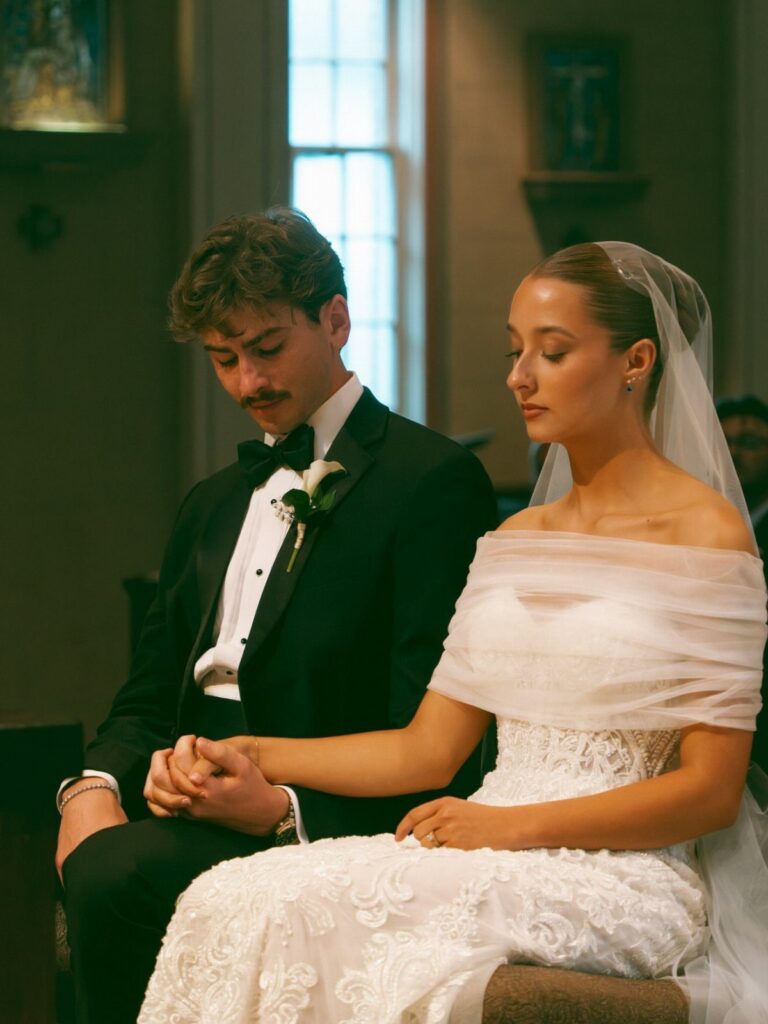
A 5 PM ceremony sets the order of everything else: hair and makeup and getting dressed come first, then a first look, family portraits, cocktail hour, speeches, parent dances and the grand send-off.
The choice that changes your schedule most is whether you do a first look, and it comes down to one fact: if the aisle reveal matters more to you than extra photo time, skip it; if not, seeing each other early lets couples portraits wrap before guests arrive.
Each of those pieces only works once the timeline has padding, room to flex, and every vendor holding the same copy.
1. Hair and Makeup
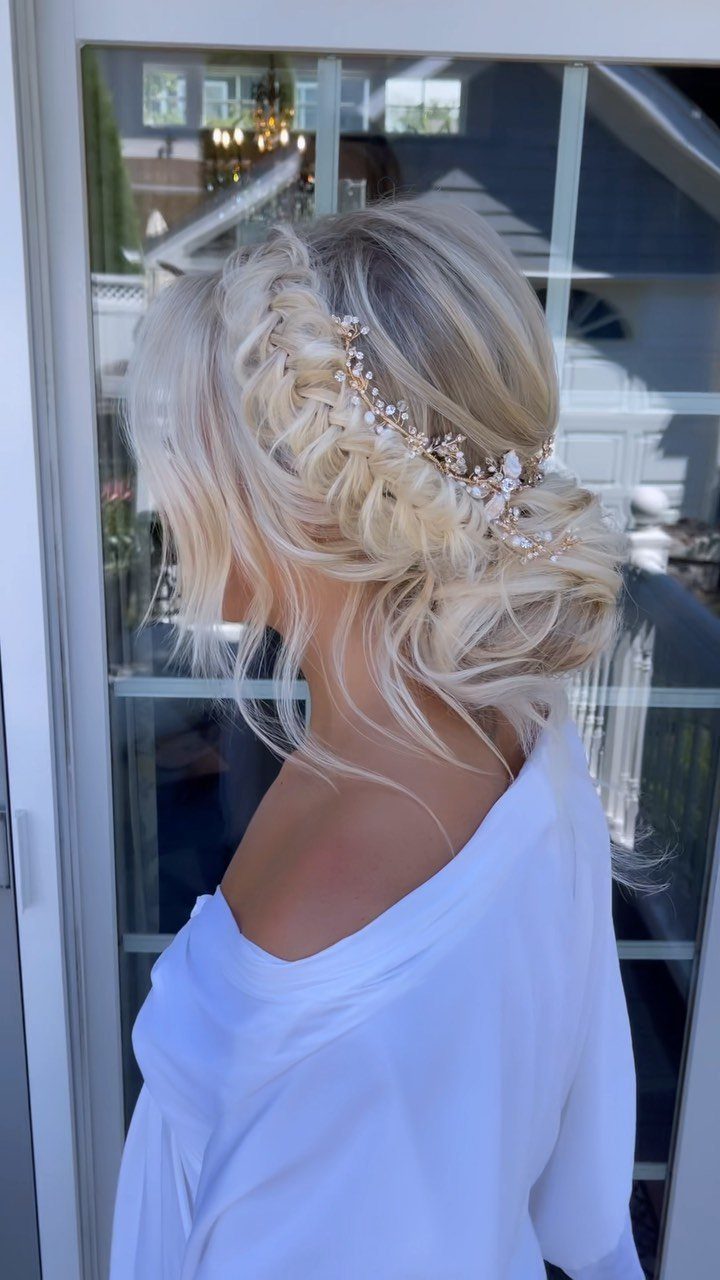
Start early.
A rushed updo shows in pictures, and a stylist who is pushed will cut corners on pinning. Tell your stylist the exact time you need to be finished, then add a buffer for touch-ups.
Skip the white robe fumble: pick a button-front one so you can change without wrecking the style.
2. Wedding Ceremony
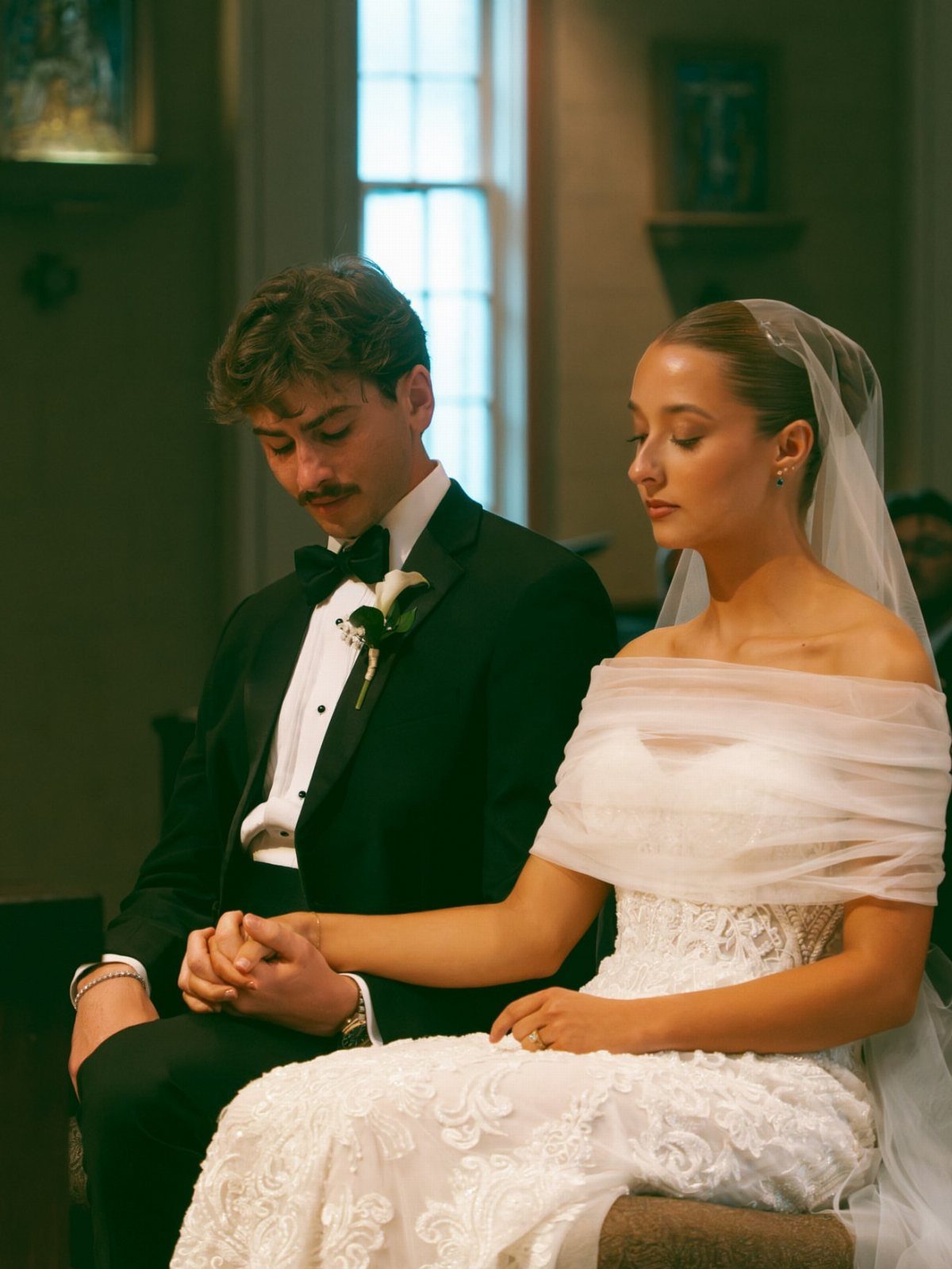
A 5 PM start puts the ceremony at the center of the day, and everything else gets scheduled around it. Treat the start time as a promise to your guests, and have them seated before it.
If money is limited, keep the ceremony short and simple, since extra readings and rituals add minutes you will feel later. I would rather give the time to portraits and the reception.
Decide who cues the processional, whether that is a coordinator or a friend with a printed schedule.
The ceremony begins promptly at 4:30 PM. This start time gives guests plenty of time to arrive and settle in, while still allowing for a warm, golden hour ambiance as the ceremony concludes.
— Loverly
3. First Look
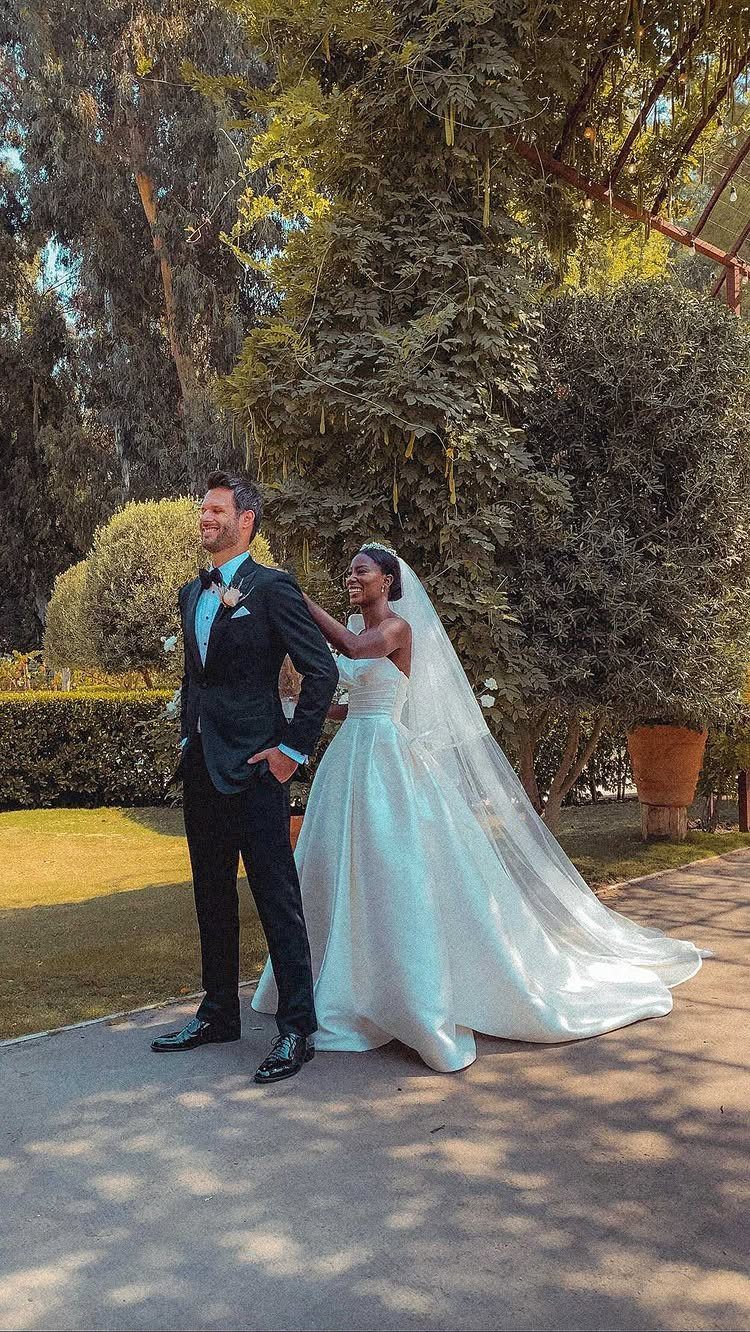
Seeing each other before the aisle gives you a quiet few minutes that the ceremony never will, and a garden is a lovely place for it. I would pick this over waiting, because it also frees up photo time later.
Schedule it well before the ceremony so couples portraits are done before guests arrive. Keep the audience to your photographer alone.
A first look costs you the aisle reveal. If that moment matters most to you, skip it.
4. Cocktail Hour
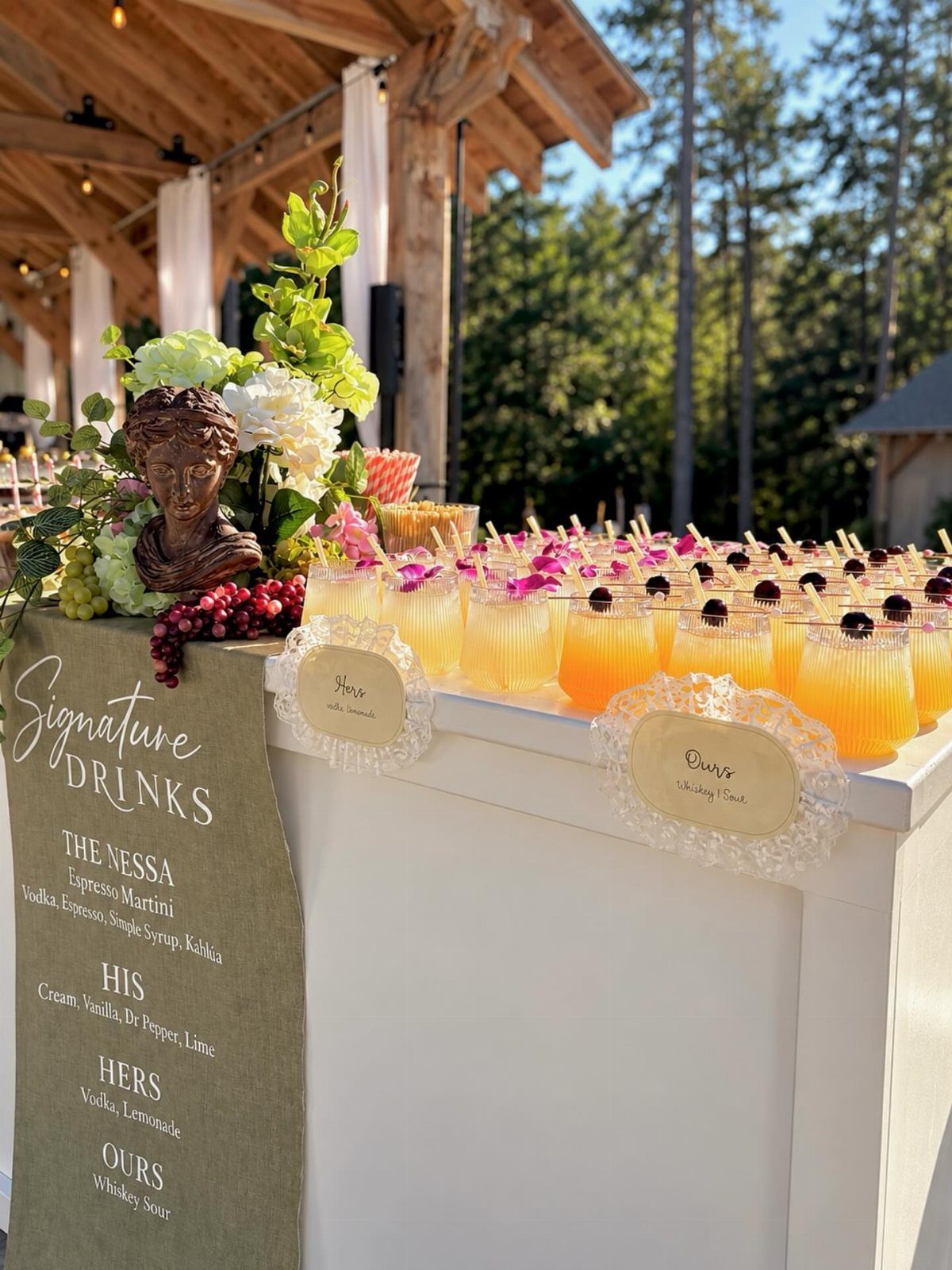
A short signature drink menu keeps the line moving and the bar bill predictable. Name them after you two and a pair of favorites; guests love reading a sign.
Cocktail hour is also when you slip away for portraits, so plan the food and drinks to hold guests happily without you.
Set up near the ceremony space so nobody wanders off. Offer water at the bar too.
5. Bride Gets Dressed
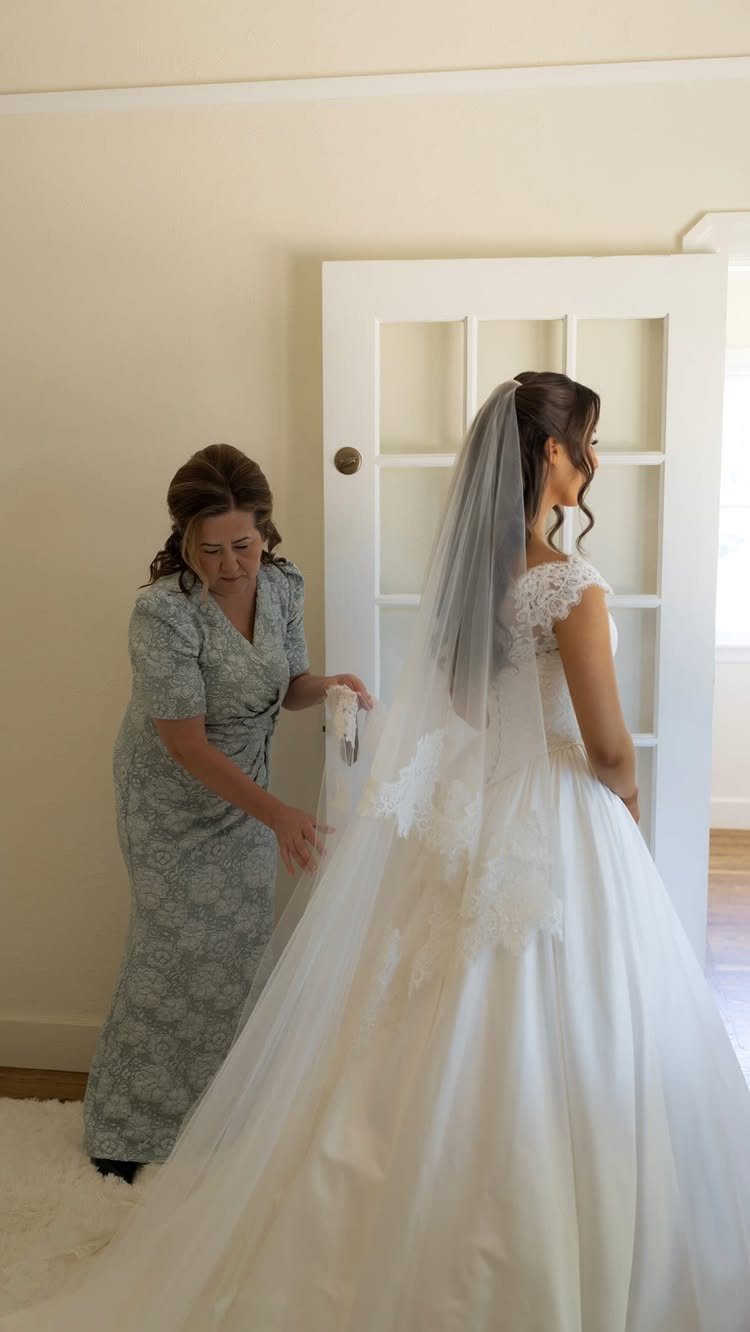
Zipping, buttoning and veil placement are the moments worth shooting, and a mother or bridesmaid doing the last step makes them personal. Pick that person ahead of time so nobody fumbles in front of the camera.
Get the dress on before the photographer’s detail shots wind down. Leave enough time for buttons, which take much longer than a zipper.
Put the veil in last, so it stays smooth.
6. 30 – Speeches
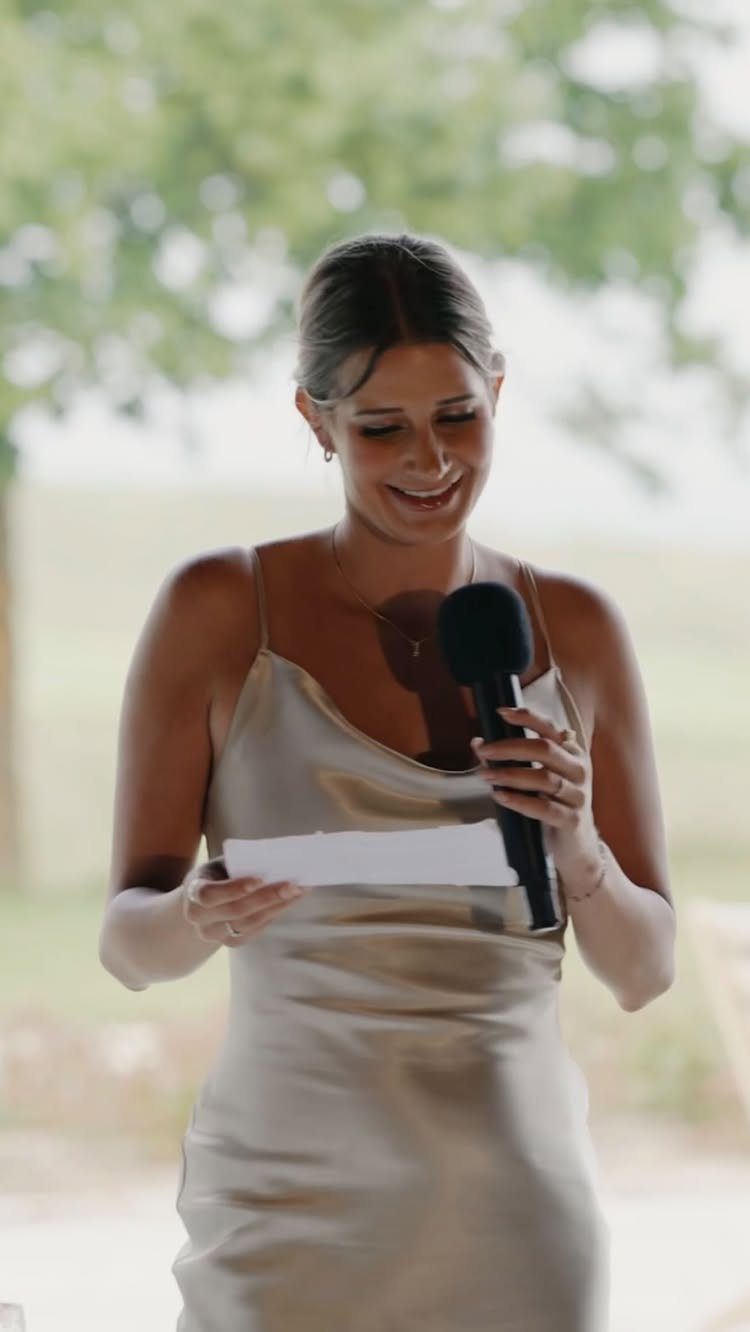
Toasts can open the evening before dinner, follow the meal as tradition has it, or land between courses so the night has some breaks in it.
I like between courses: guests stay engaged, and nobody gives a toast on an empty stomach.
Keep each toast to a few minutes and tell speakers the order in advance. Index cards beat a crumpled page, and a working microphone matters more than a good opening line.
Test the mic before guests sit down.
7. Parent Dances
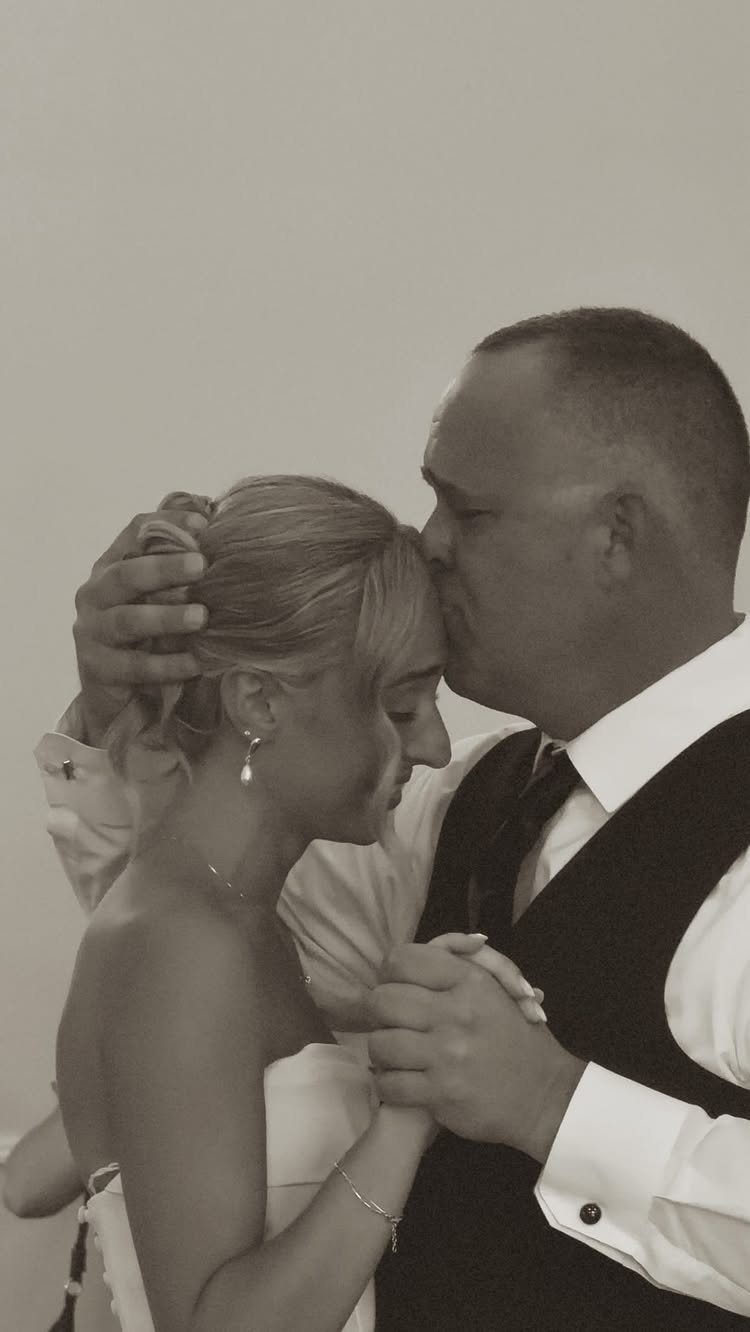
Parent dances belong right after dinner and speeches, when guests are fed, settled and ready to watch. Slot them in before the floor opens to everyone, so the room is still looking your way.
Pick the song with the parent ahead of time, and keep it to one verse and a chorus or two. A full song feels long when the whole room is watching.
A slow, close dance leaves room for the forehead kiss that makes the photographer’s shot. Tell your photographer the dance is coming so they are in position.
8. Family Portraits
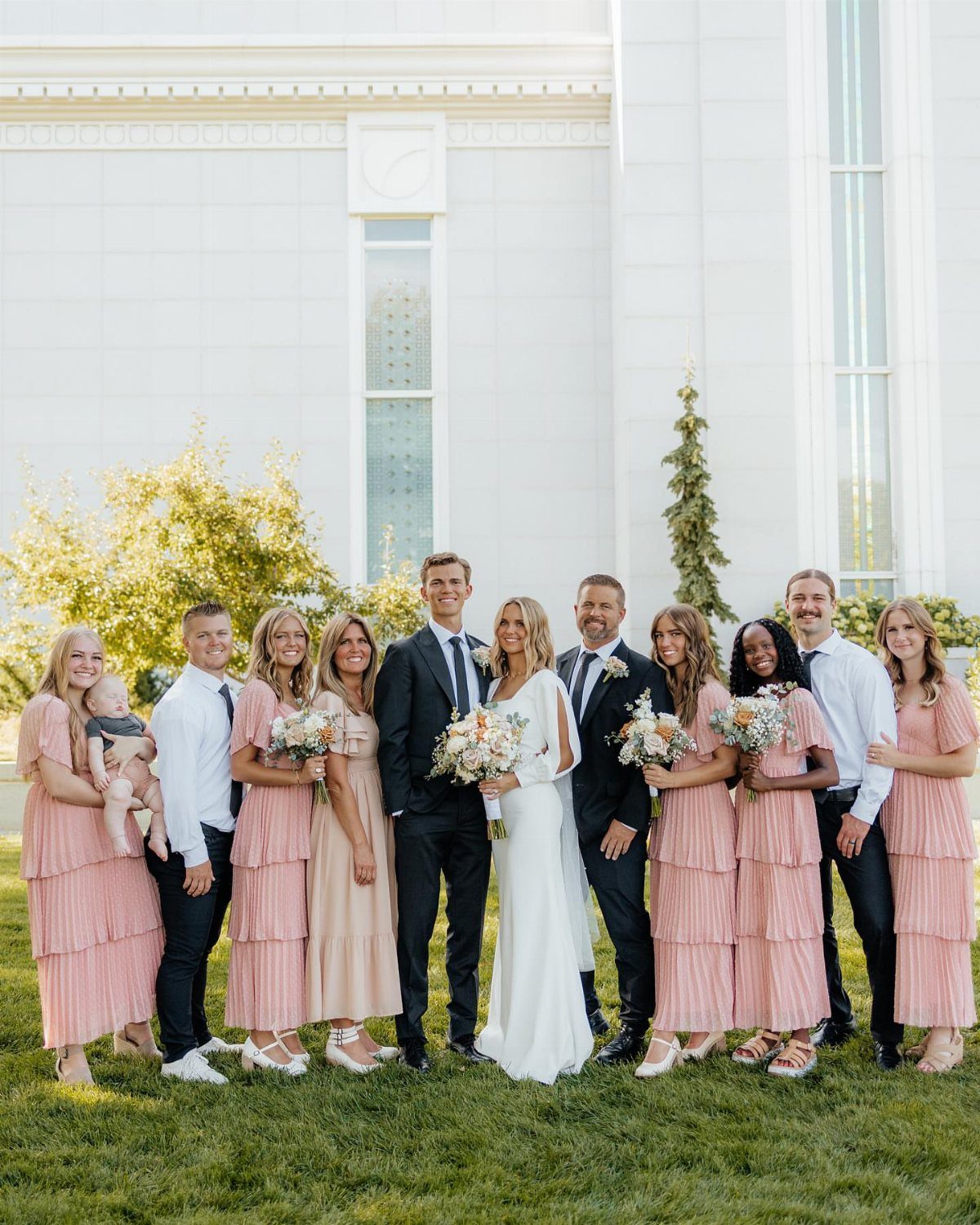
Family portraits go right after the ceremony, while everyone is still dressed, nearby and in a good mood. Pull relatives together right after the ceremony, before anyone drifts toward the bar.
Write a shot list ahead of time, largest group first, then work down to smaller ones. Hand it to your photographer and name one relative who knows everyone to round people up.
Keep the list short. Every added grouping costs minutes, and I would rather spend them on couple portraits.
9. Grand Send-Off
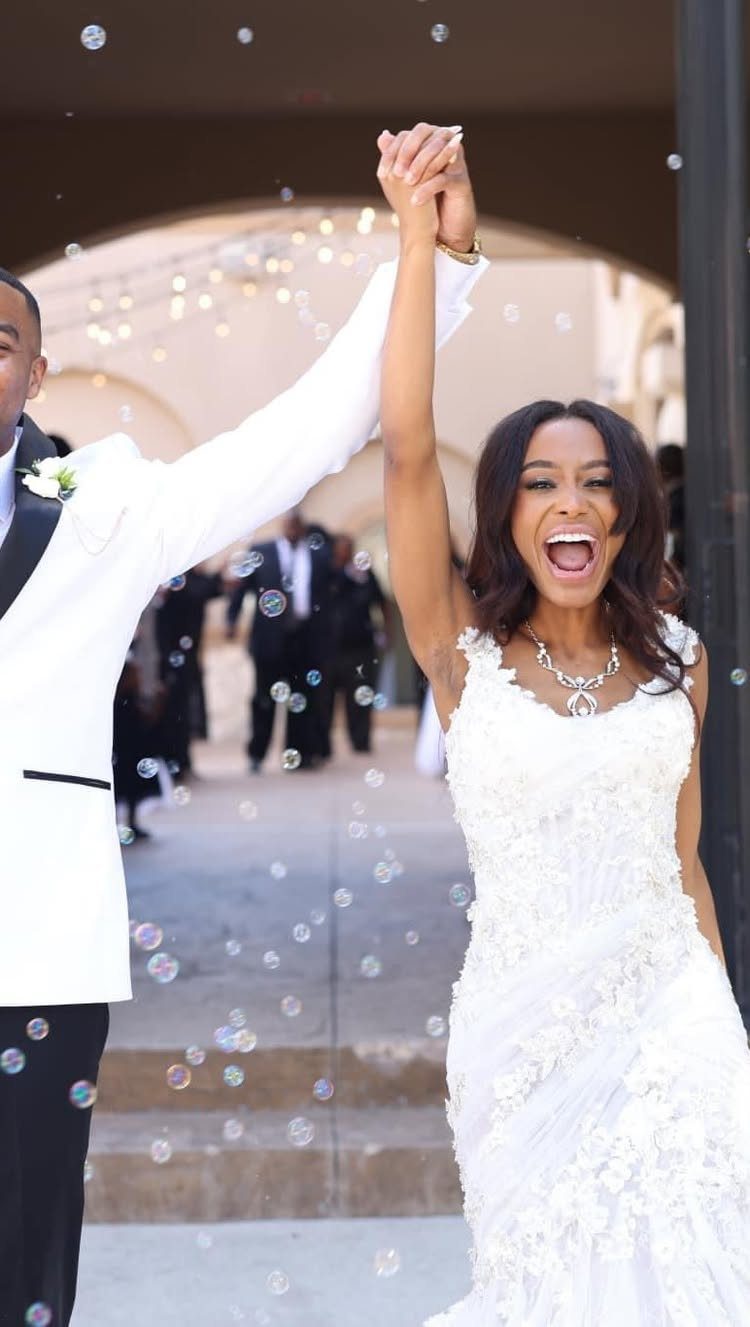
Bubbles make a send-off that guests can actually enjoy: they are easy to hand out, and they float around you instead of landing on your dress. I would pick them over anything messier.
Put small bottles in a basket near the exit, and ask your coordinator or a friend to announce the send-off about 10 minutes beforehand.
Plan the timing with your photographer so they can be at the far end of the line.
Importance of a Timeline
A schedule with no slack turns small delays into stress, and a 10-minute hold-up at the salon can ripple all the way to dinner.
A schedule with realistic padding runs quietly, and nobody has to glance at a phone to see where they should be.
I’d build the plan so portraits can be unhurried, guests get real conversation with you, and the reception never feels like a sprint. Those are the things a rushed schedule cuts first, and they’re the things you’ll want back later.
Flexibility in Planning
Build in breathing room, even where it feels like wasted time.
Plenty of small weddings do fine with a short window of coverage, though most couples I’d advise end up happier with extra hours because the pace stays calmer and the plan can bend.
Spare time usually buys you less stress, plus room to actually enjoy the details you spent months on. If you’re deciding where to spend money, I would pay for a longer photography window before adding another detail to the day.
Treat any sample schedule as a starting point, then bend it to your own priorities.
Communication with Vendors
Every vendor should hold the same timeline, and that includes the photographer, planner, hair and makeup artist, and anyone who sets up or serves.
Send it as one document, and ask each person to confirm they’ve read it. A late caterer or a stylist working from an old version can push the whole day back.
Give your planner and photographer your short list: the mood you’re after, the moments you refuse to miss, and the specific people who must appear in photos. They can then give those moments the most time and the best light.
Every wedding differs, so adjust the schedule to your venue and season, and share the final version once it’s set.
Frequently Asked Questions
How long should I budget for hair and makeup?
Plan on 2–3 hours for the bride. If you want a split, about 1 hour covers bridal hair with touch-ups and 45 minutes covers makeup, while each bridesmaid needs roughly 30 minutes for both.
Give your stylist a hard finish time, not a start time, and pad it by 20–30 minutes so touch-ups don’t eat into photos; an updo pinned in a hurry is the first thing a camera catches.
What time should I wake up on my wedding day?
Wake up 4–5 hours before the ceremony.
Plan on at least 90 minutes to 2 hours in the chair for hair and makeup, and my advice is to set your alarm well before that so breakfast, getting dressed, a few calm minutes and the getting-ready photos all fit around it.
How long should the ceremony take?
Most ceremonies run 20–30 minutes. A simple one with vows, a ring exchange and one unity ritual fits in 20–25 minutes, while extra readings and traditions push it to 30–40.
Past 40 minutes it starts to drag, and a very minimal ceremony can be done in 12–18, so cut readings first if you need minutes back for portraits and the reception.
How much buffer time should a wedding day timeline include?
Build in 15–30 minutes between events and 45–60 minutes before the ceremony starts. Hair runs long, rides get delayed and small fixes pile up, so a tight plan turns a 10-minute delay at the salon into a late dinner.
Start from the 5 PM ceremony and count backward, subtracting each task and its cushion in turn; wherever you land is your alarm time.





