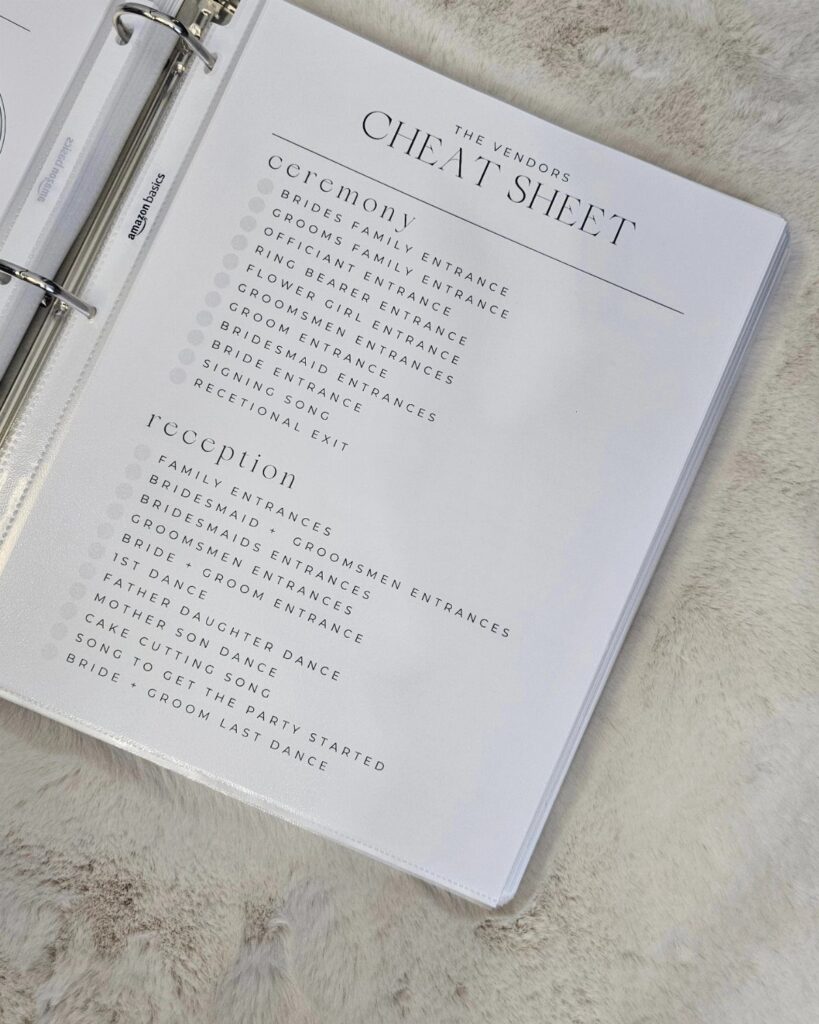
Where you stand on the calendar decides which of these items matter first: on a shorter timeline, I would pick wedding attire early and keep the other items simple.
The list runs from wedding favors to a reception seating chart that has to wait for your RSVP deadline, and from a printable checklist to digital tools that keep everyone on the same page.
Each item is sorted by when it needs a date on the calendar, since a task pinned to a Tuesday gets done and "sometime in March" does not.
1. Wedding Favors
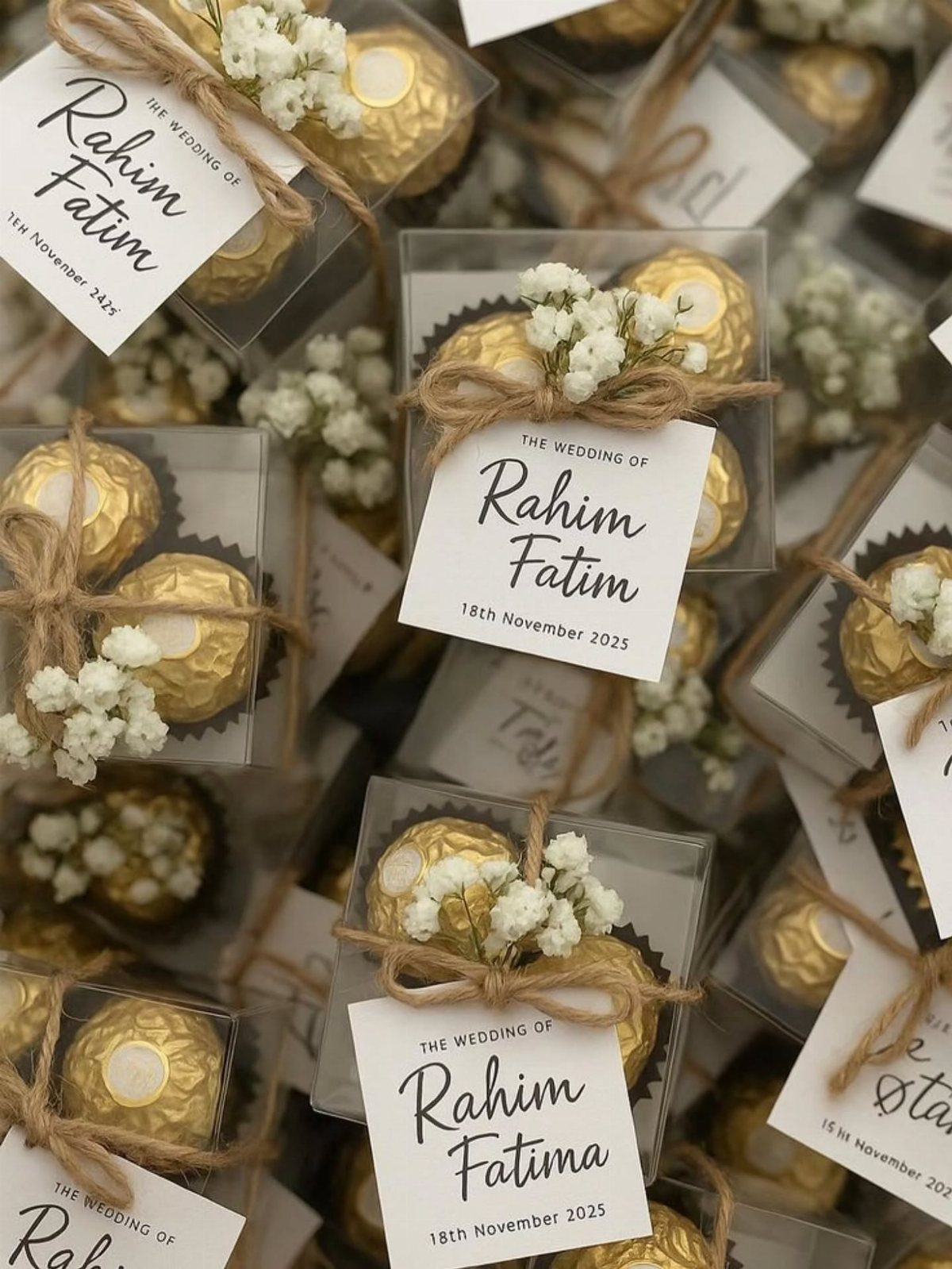
Gold wrappers, a twine tie and a sprig of baby’s breath make a favor that looks finished without much labor.
The personalized tag is the piece to plan early, because it needs your names and the date spelled exactly right. Proof it twice before printing the full count.
I would pick a favor guests will eat over one they will pack and forget.
2. Engagement Photos
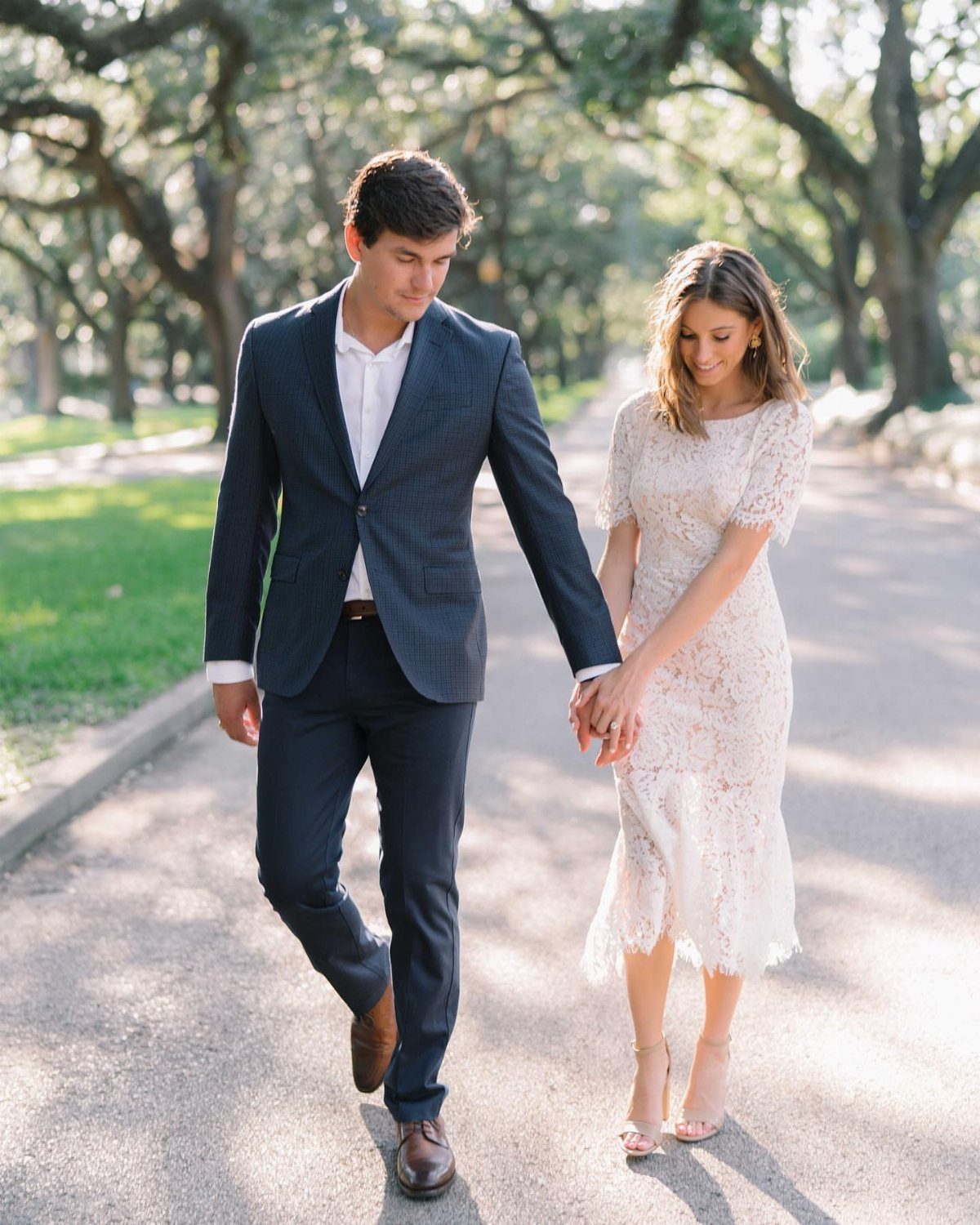
Book the engagement shoot early on your checklist, well before save the dates go out, so the photos are ready when you need them.
Pick outfits you would actually wear to dinner, and agree on one spot and one time of day with your photographer.
Paths like this tend to be public, so check whether the spot needs a permit or has hours.
3. Wedding Attire
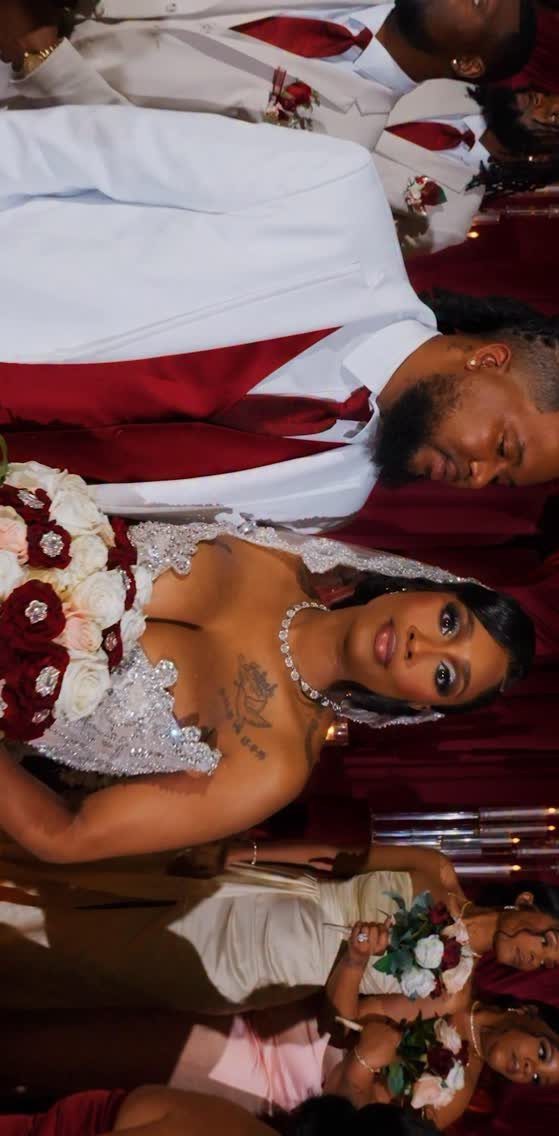
Attire belongs near the top of your list, since gowns and suits take the longest to order and alter. Decide your budget first, then shop inside it.
Color is the fun decision. Pick one accent color, like red, and repeat it in a tie, a vest or the bouquet so the couple and the flowers look like they belong together.
I would plan fittings as their own line on the checklist, with dates, so alterations never crowd the final weeks.
4. Reception Seating Chart
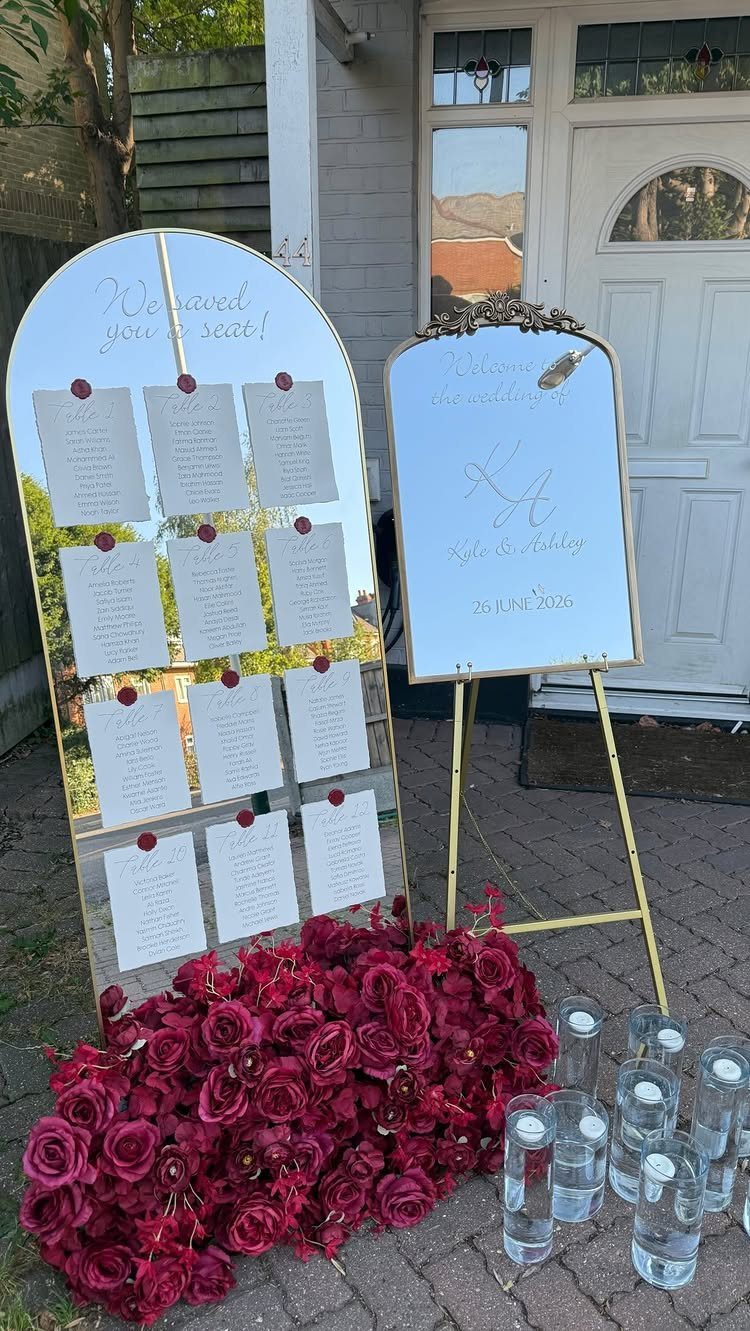
A mirror seating chart earns its place by doubling as decor. Gold frames, a welcome sign to match, and roses with candles at the base turn a practical list into an entrance piece.
Finalize the guest list and the table assignments first, then have the names lettered. Late RSVPs force changes, and a mirror is harder to redo than a paper card.
I would wait for your RSVP deadline before ordering anything.
5. DIY Decorations
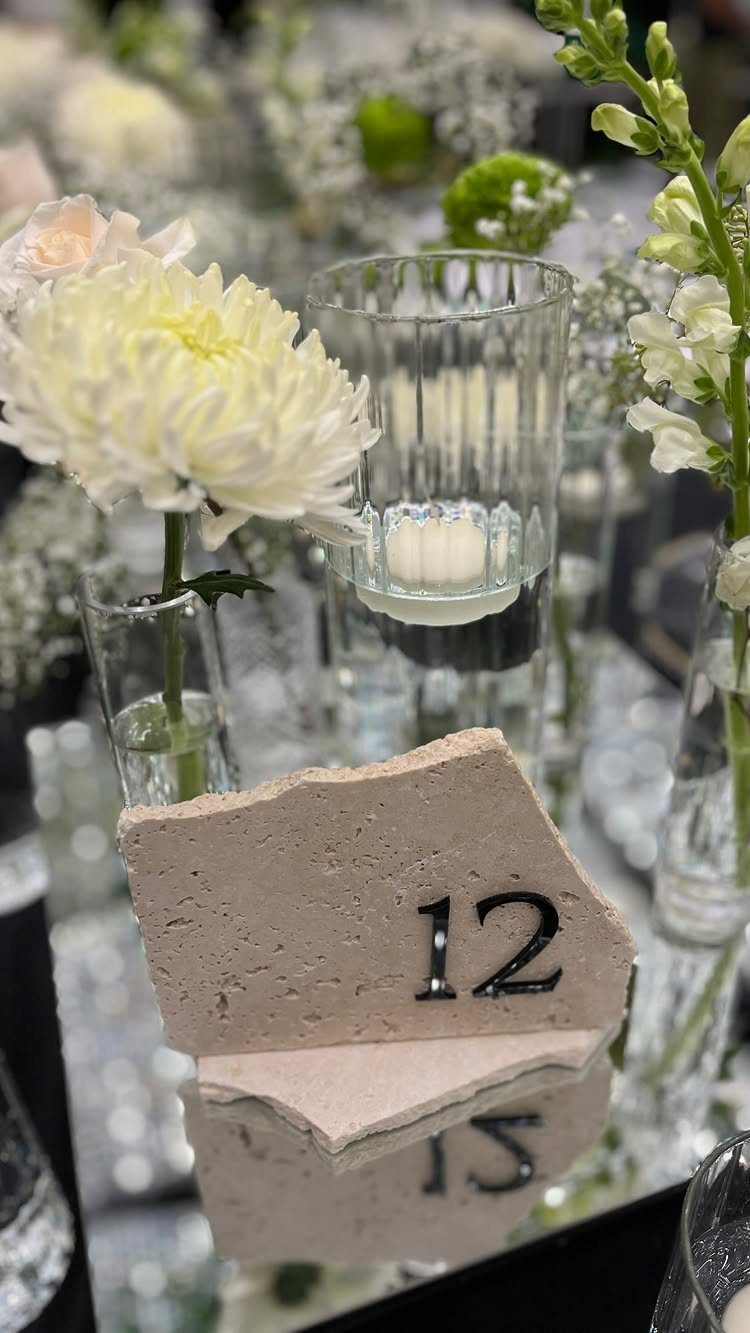
Make the pieces in one batch, so every table matches.
Count your tables, then add a spare or 2 for mistakes. Start weeks ahead, and test one full table before you commit to the rest.
DIY saves money only when your time is free, so limit the project to one or two items you can repeat.
6. Floral Arrangements
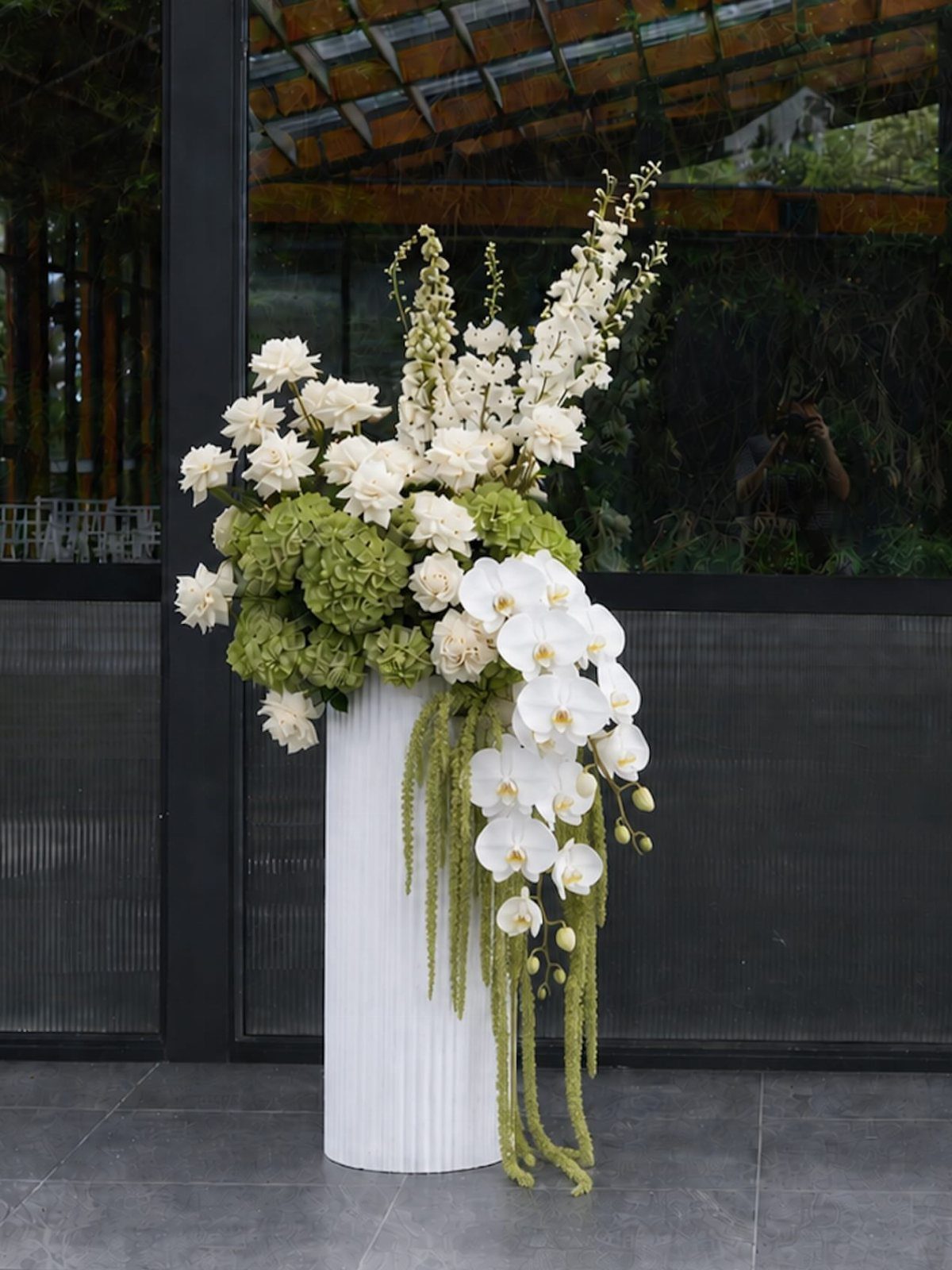
A limited palette, say white blooms with green hydrangeas for fullness, can still look lush if you vary the shapes of the flowers. The mix of shapes gives height and texture without adding another color.
Tall arrangements on a pedestal fill space well, but they cost more than low centerpieces. Ask your florist for a written quote, then decide where a single large piece will count most.
I would put the biggest arrangement where guests see it first.
Tips for Staying Organized
Pin every task to an exact calendar date instead of a loose goal like "sometime in March." "Call caterer" belongs on a Tuesday, not somewhere in March.
Review the checklist once a week, and Sunday morning works well because the week ahead is still open. Give catering, flowers and logistics each their own color, and one look at the sheet shows which category is falling behind.
Stick to one master list.
Blending lists from several sources is how something like the marriage license gets dropped, since generic checklists rarely reflect what your county requires. Confirm the legal waiting period with your county, since it varies by place.
The right tool should lower your anxiety, so pick a format that matches how you work and commit to it.
Advice for Shorter Timelines
With under a year, skip the bridal boutique. Custom orders, shipping and alterations all take weeks, so I would buy a dress that is already in a local shop and save the schedule for fittings.
A weekday or Sunday date opens up far more venues and vendors than a Saturday does.
A micro wedding keeps almost everything a big one has, just scaled down: a short guest list, a smaller setup, and passed appetizers and cocktails in place of a plated dinner.
I like it because the money goes to what you care about most, such as location, décor or drinks.
Hand off legwork. Friends can research vendors and send you a short list, and a maid or matron of honor can take charge of wedding party attire.
Skip paper and send invitations through your wedding website, with a short video from the two of you added on. If the wedding is traditional, I would hire a planner or coordinator.
Using Digital Tools
Each format has a job. A printable PDF works well if you like crossing items off with a pen, but it is a pain to update and share.
Google Sheets handles shared budget tracking and real-time editing, though it gets cluttered if you keep adding tabs. Trello lets you drag tasks into monthly columns, though it needs a steady internet connection.
Sheets or Docs work well when others help, since you can open them on a phone, tablet or computer. Save your own copy to your Google Drive first.
More features in an app do not automatically make it the better pick. If notifications start to stress you out, turn them off or go back to paper, because a static checklist can bring more peace of mind.
Frequently Asked Questions
What should I include on my wedding purchase list?
Order the outfits first, because gowns and suits need the longest lead time for ordering and fittings, and settle what you can spend before you set foot in a shop.
Then add shoes and accessories, because you will want the exact shoes on hand for fittings so the hem is right. After that come flowers, favors, invitations and any DIY decor supplies, each with a firm date.
What is the first item on a wedding checklist?
Before any deposit goes down, sit with your partner and agree on what matters most and what the total number is.
Guest count, venue options and vendor quotes all flow from those 2 answers, so nearly every later task leans on them.
What are the steps involved in a complete wedding planning checklist?
Move from big decisions to small ones.
At 12 or more months out, settle priorities, budget, guest range, date and venue. Over the next stretch, book photo, video, music, catering and key rentals, then handle attire, ceremony and stationery, then invitations, menu and flowers.
The last 2–3 months are for RSVPs, a seating draft and vendor confirmations, and the final month is for counts, payments and the day-of schedule.
How long does it take to plan a wedding?
For a standard ceremony and reception at a local venue, I’d plan on roughly 12 months. Dreaming of a rare venue or one particular photographer on a peak-season weekend?
Start 18–24 months out. A smaller or simpler wedding can come together faster.
What if I’m planning a wedding in less than a year?
Stay flexible on date and venue, and put your energy into the big items first.
Buy a dress already in a local shop, since custom orders and alterations take weeks, and hand research tasks to friends. You can also fold several months of the standard checklist into one month and then follow the normal order.
Do I need a wedding planning checklist if I have a wedding planner?
Yes, a checklist still helps. A checklist gives you a preview of what’s coming, and it helps you get your own ideas in order before the first meeting with your planner.
Notes on your vision also help a planner or coordinator understand what you want sooner.
Should I use a printable checklist or a digital one?
It depends on how you work. Printable PDFs are great if you love ticking boxes with a pen, though I find them clumsy to revise or pass along.
For budgets two people edit at once, I’d pick Google Sheets, even if a pile of tabs gets messy. Whichever you choose, keep one master list and pin each task to an exact date.





