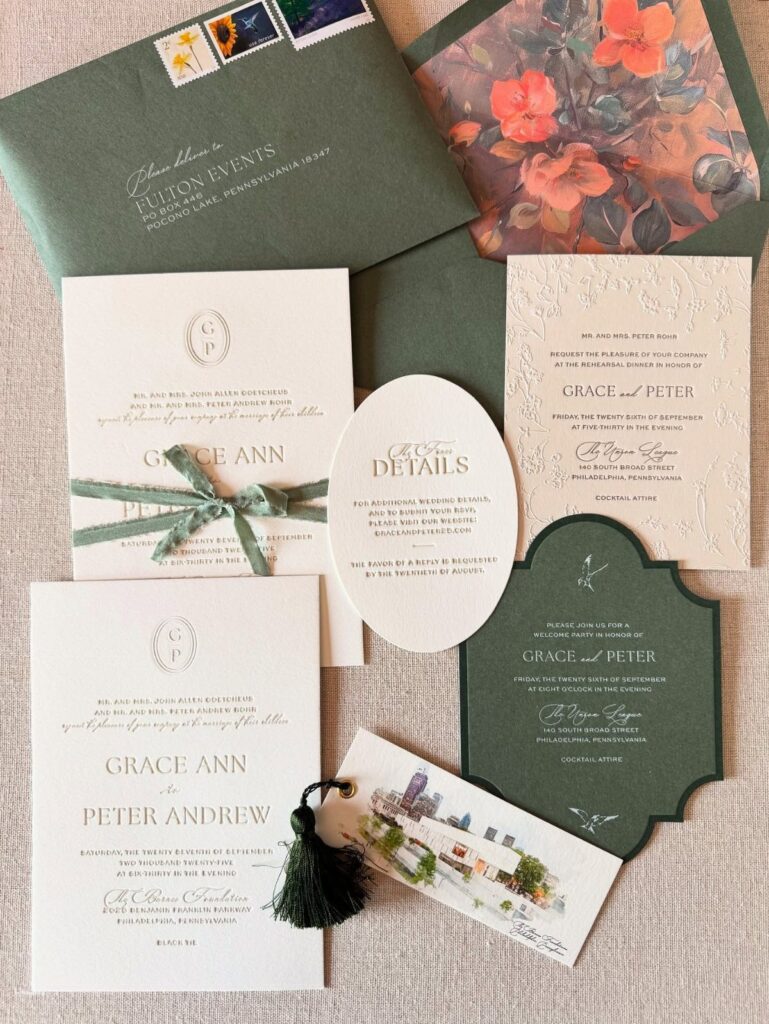
The list starts with invitation style and ends with vendor communication, and its items split into 2 kinds: tasks with a hard deadline, like the venue and the dress, and habits you repeat, like thank you notes written a few each week.
A wedding binder keeps the whole plan in one place, and I’d sort it by the sections of this list: venue, invitations, dress, cake, hair and makeup.
1. Invitation Style
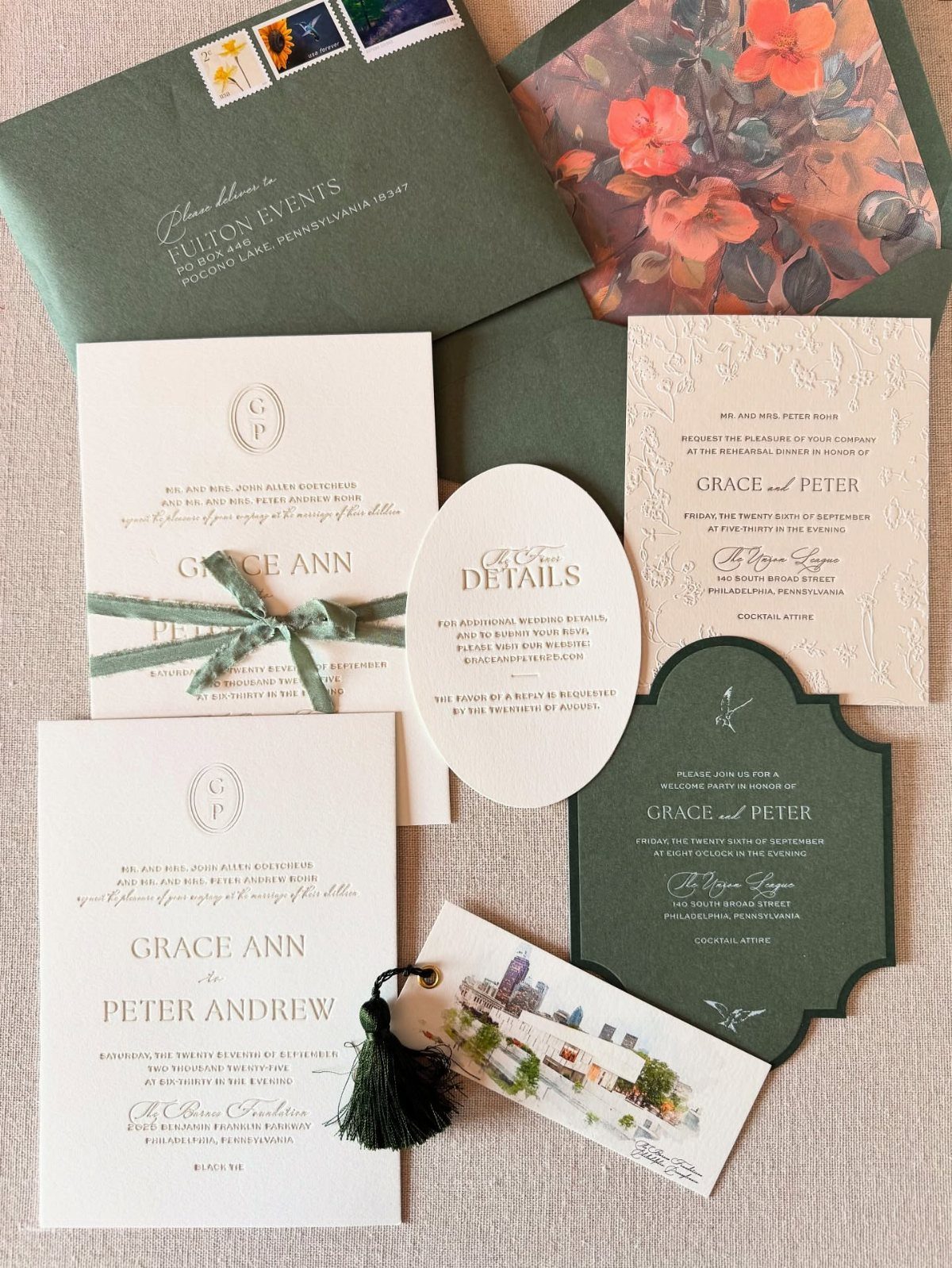
Pick the invitation style before anything else on the stationery list, because it sets the wording, the reply method and the look of everything that follows.
A suite with a detailed illustration, cursive text and colored envelopes tells guests the tone before they read a word.
I would choose one reply method and print it clearly: a mailed card or a web address, not both. 2 options split your responses and double your tracking.
2. Wedding Venue

Book the venue first. Almost every other date, headcount and budget line hangs on it.
A glass marquee on a lawn by a lake shows the choice at its most dramatic, but a scenic site can mean paying for the tent, the flowers and the ceremony setup separately.
Decide whether the ceremony and reception share one location. One site saves on transport and timing, and I would pick it on a tight budget.
3. Seating Chart
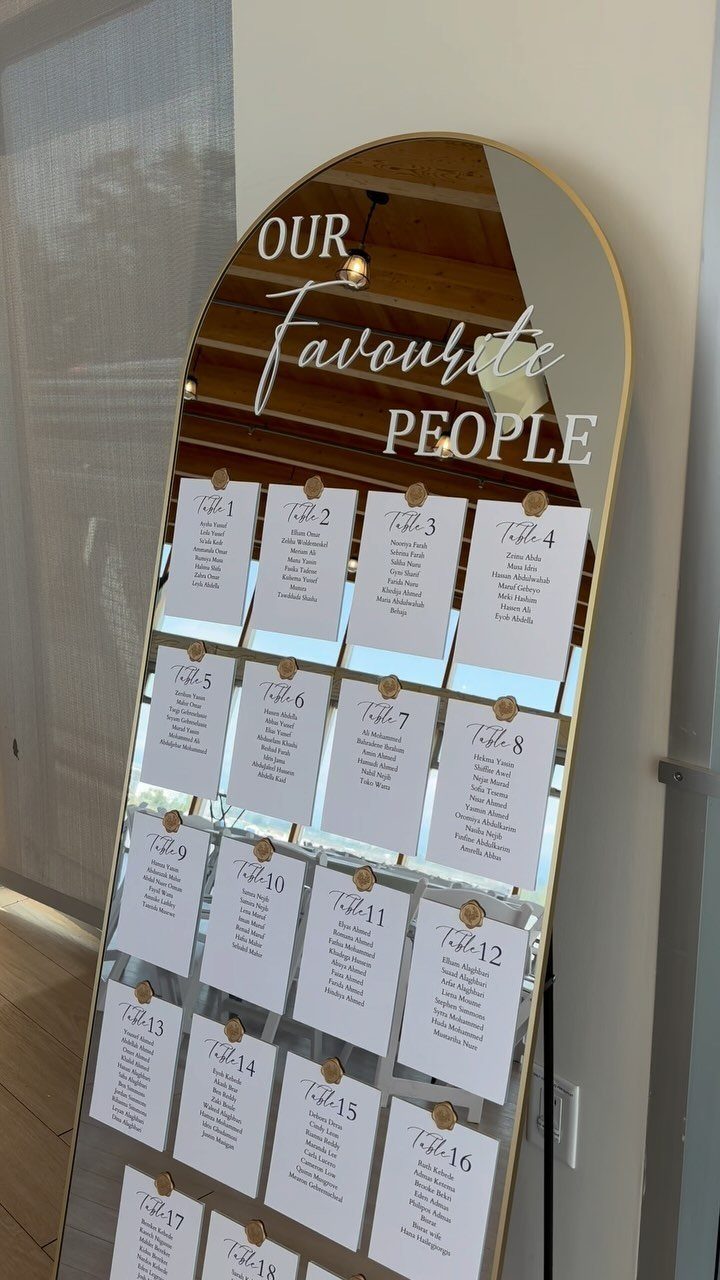
A framed mirror with guest names and table numbers on it is a seating chart that doubles as decor. I like it because you build one object instead of printing a stack of place cards.
Finalize the list only after RSVPs close. Keep a spare printed copy of the seating chart on hand for last-minute changes.
4. Formal Invites
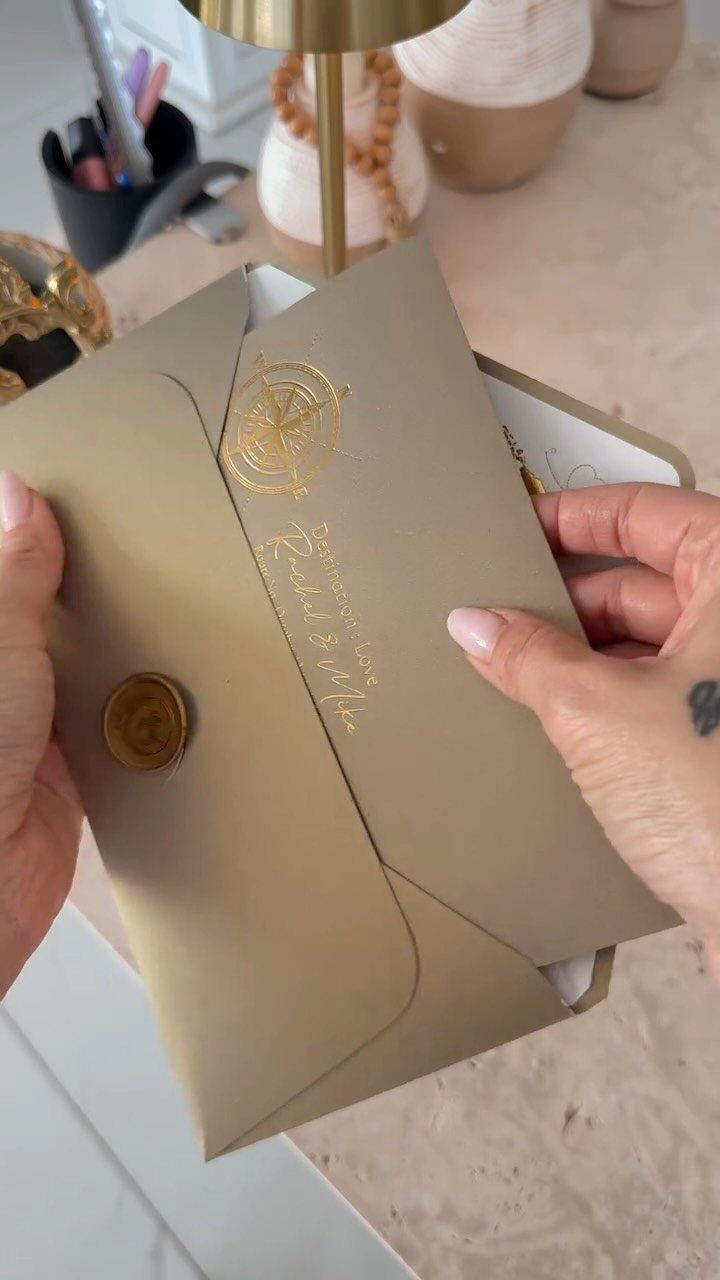
Formal invites carry a wax seal and foil lettering, and the mailing is a separate task from the design. Put it on the checklist as its own line with its own date.
Weigh one sealed, hand-addressed envelope against the postage and printing it adds. If money is tight, I would save the seal for the main invitation and keep the other pieces plain.
5. Wedding Dress
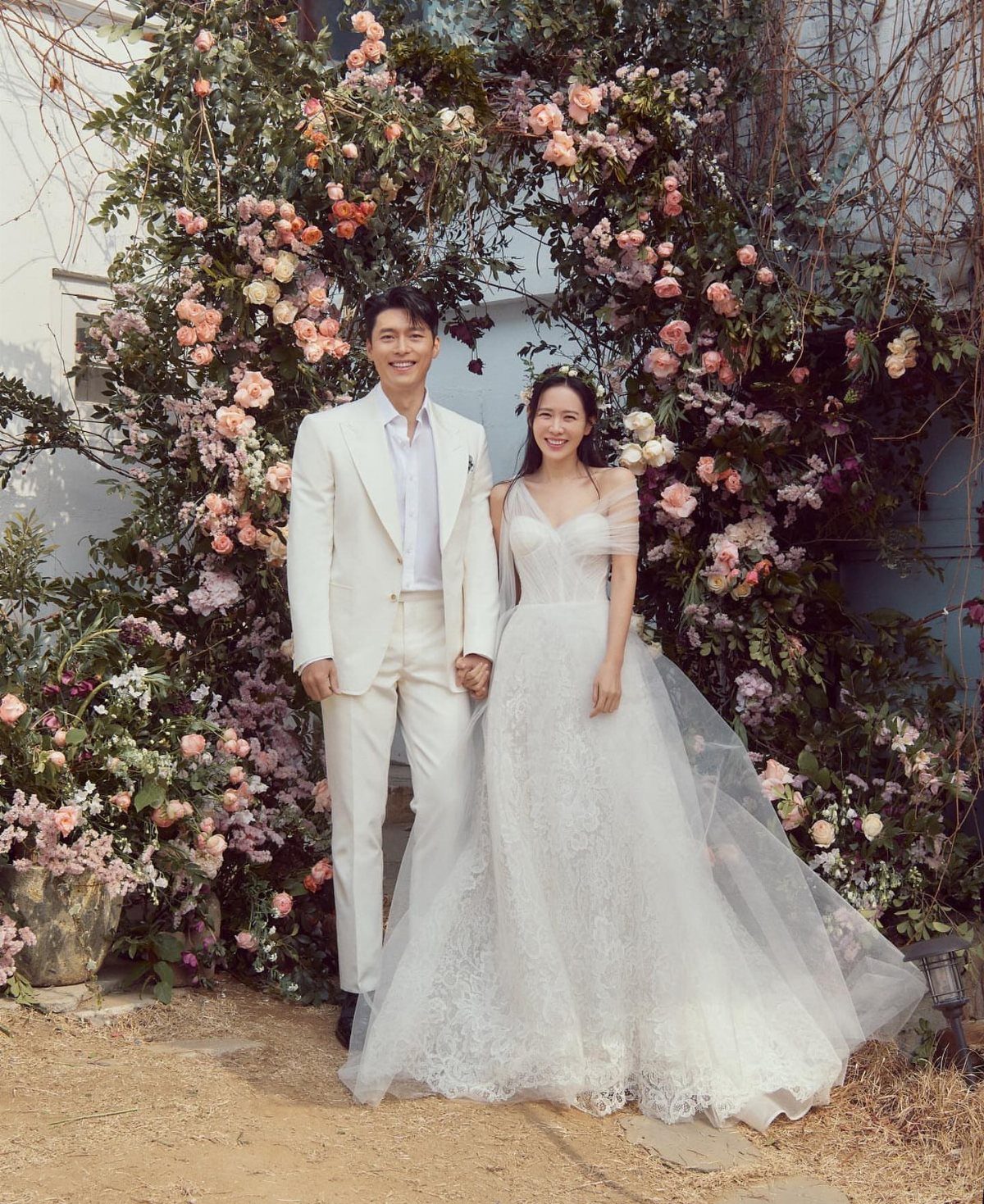
Order the dress early, then leave room for fittings. Lace gives a classic look, and a white suit on the other half of the couple keeps the pair matched.
Set the dress budget before you try anything on. I would also add cleaning and storage to the checklist now, so the bill does not surprise you after the wedding.
6. Wedding Cake
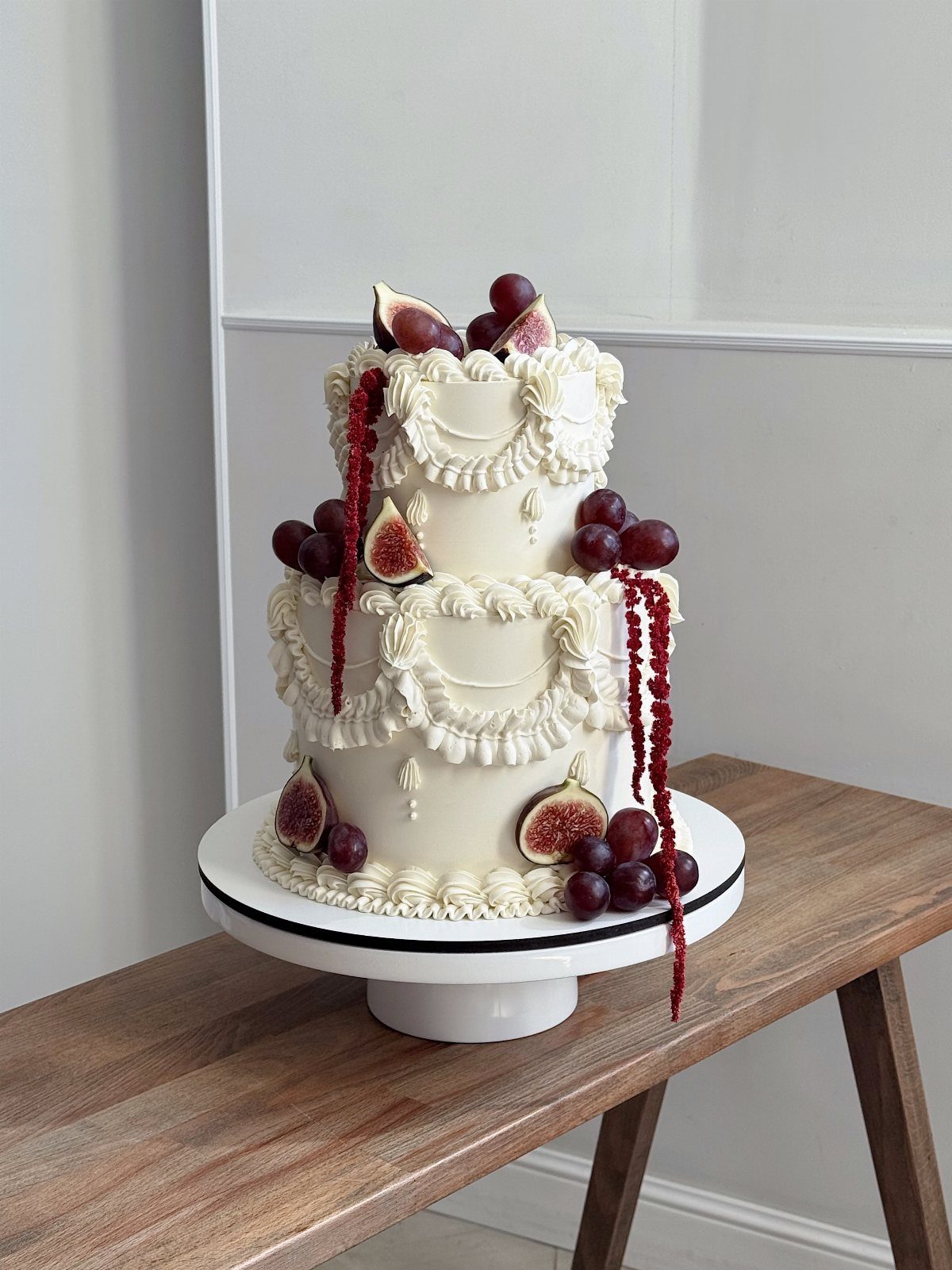
Choose the baker, the flavors and the delivery plan, then confirm who sets the cake on its stand.
Tiers cost more than a single cake. To save money, I would buy a small display cake for the photos and the cutting, then serve sheet cake from the kitchen where no one sees it.
7. Schedule Hair and Makeup
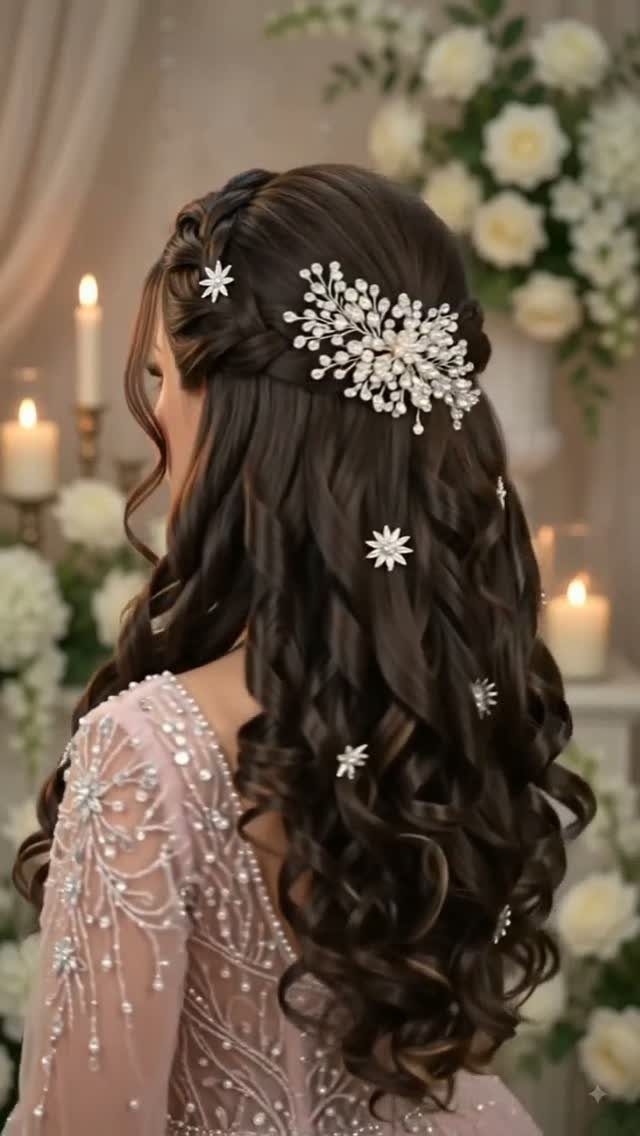
Book hair and makeup before almost anything else on the day-of list, because good stylists fill their calendars around wedding dates.
Ask for a trial run too, so you see how pins and a crystal hairpiece sit with your hair before the morning that counts.
A style with curls, small floral pins and a jeweled piece takes careful setup, so I would tell the stylist about every accessory when you book. Then put the start time and the address on the checklist with a reminder.
8. Wedding Binder
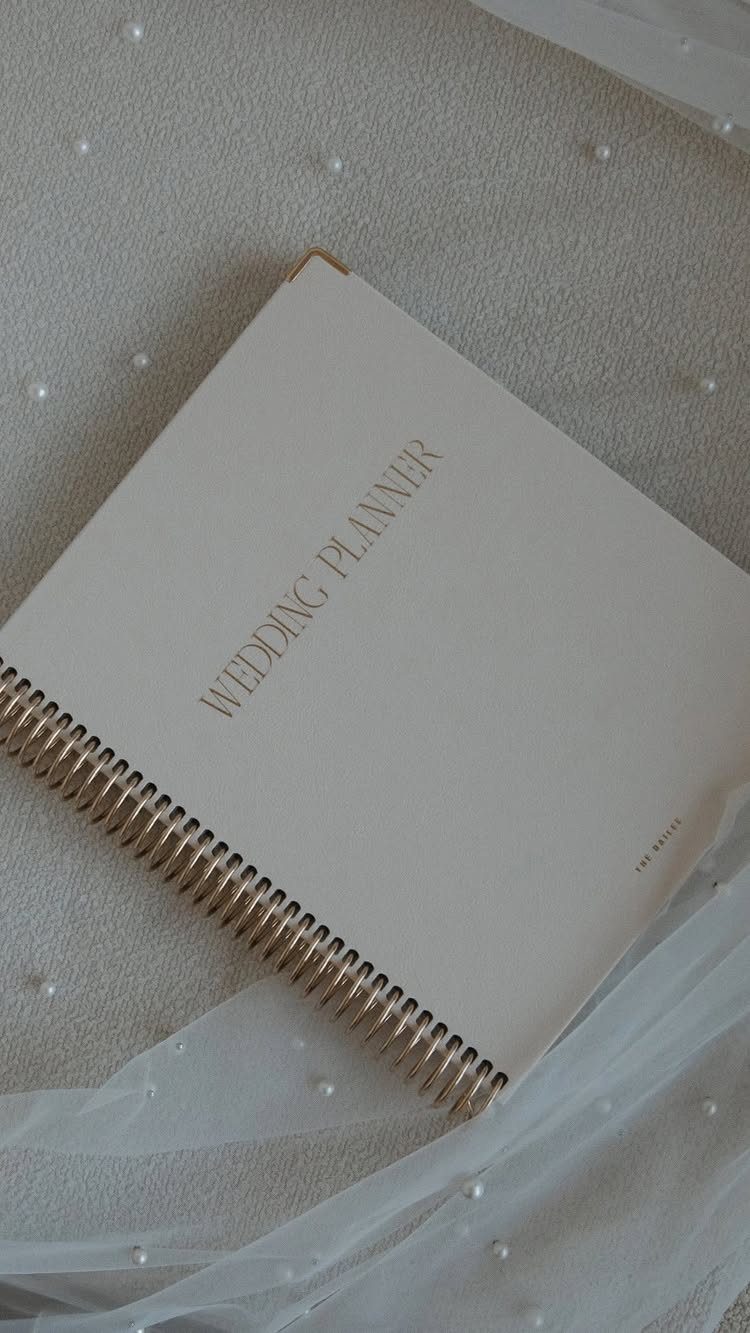
A binder keeps every contract, receipt and swatch in one place, and a spiral planner like a white one with gold lettering is the lightest version of that.
I would choose it if you want to carry it to vendor meetings.
Sort it by task: venue, stationery, dress, cake, beauty. Slip each vendor’s contract and contact details behind its own tab.
Print your checklist and punch holes in it so it lives there too.
9. Thank You Notes
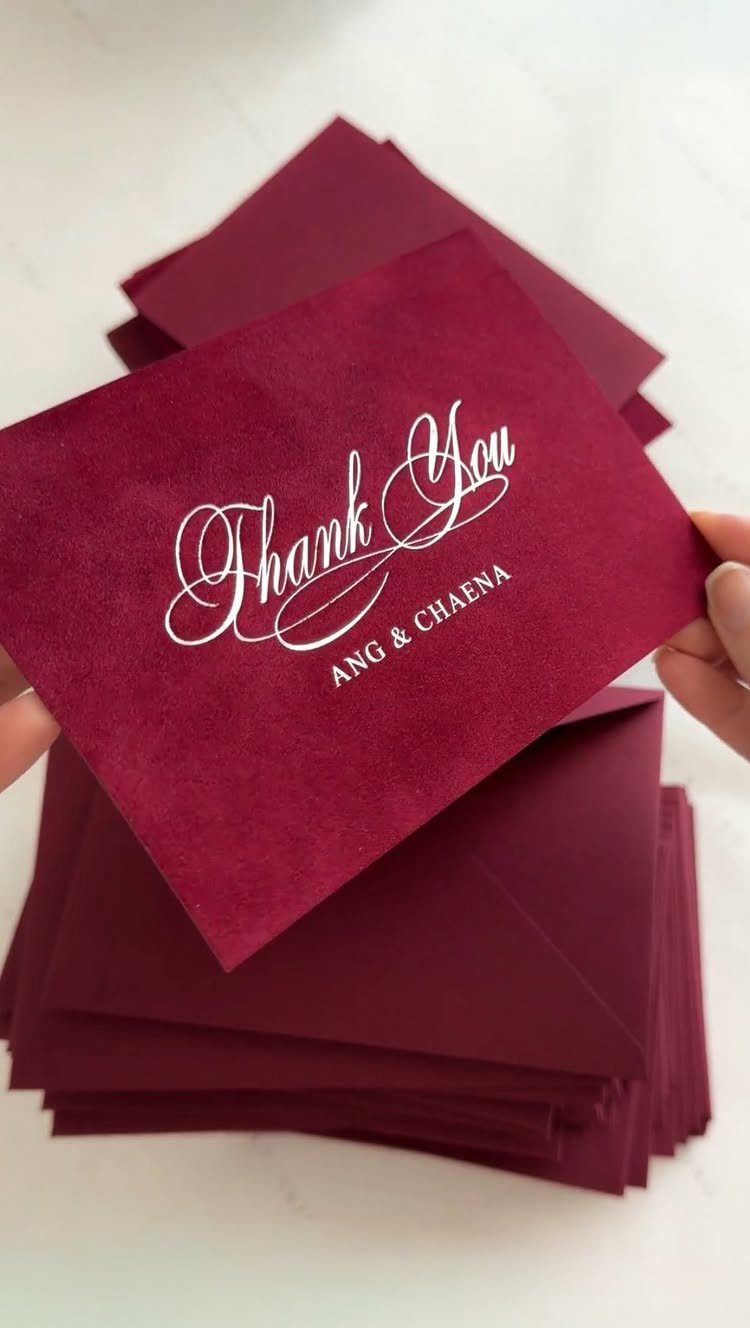
Thank you notes belong on the checklist as their own task, and a matching card and envelope set, like burgundy with silver script, makes them look finished with little effort.
Order extras when you order the invitations so the colors agree.
Write a few each week as gifts arrive instead of saving a stack for after the honeymoon. A short, specific line about the gift reads warmer than a long generic one, and I would sign every one by hand.
Advice on Budgeting
Most couples I hear from say their first budget came in too low, and the final bill often ran about 45% above it. Build a cushion into the number from day one instead of hoping the quotes come in kind.
Rank your priorities before you spend a dollar. Pick the two or three things you would hate to cut, and give those the biggest share of the money.
Everything else gets whatever is left. That is the compromise, and it is easier to accept when you chose it early than when a deposit is already due.
Most newlyweds say they underestimated their wedding budget by an average of 45%, so make sure you leave some wiggle room or get in a positive mindset about compromise.
Importance of Timelines
Work backward from the wedding date. Start with the fixed points, like the venue contract and the day itself, then slot every other task into the months before them.
Give each task a due date, not just a month. A line that reads "by the 15th" gets done; a line that reads "sometime in spring" drifts.
Leave a few empty weeks near the end. Something will run late, and a gap in the schedule absorbs it without turning into a scramble.
Review the timeline once a month and move dates as needed. A schedule you keep adjusting is more useful than a perfect one you stopped looking at.
Vendor Communication
Trust your vendors to do their jobs, since they have done this many times. Then follow up anyway, because a quick check costs you far less than a missed delivery.
Put a confirmation call or email on the calendar for each vendor, spaced out as the date nears. Ask the same 3 things each time: arrival time, what is being delivered, and who your contact is on the day.
Get every answer in writing. A short email reply is enough, and it gives you something to point to if details change.
Share one day-of contact sheet with each vendor, so everyone knows who to call besides you.
Frequently Asked Questions
When should you start planning a wedding?
I’d begin planning once the two of you can sit down and agree on what matters most, roughly what you can spend, about how many people you’ll invite, and a few dates that could work.
12 months gives popular venues and vendors more open dates, but a shorter plan can work if you combine early steps and stay flexible.
From there, count backward from the wedding day and put a real deadline on each task, with an exact date instead of a vague month.
What should be the first item on a wedding checklist?
Before you put a deposit down anywhere, settle what the two of you care about most and pick a budget number to aim for.
Together they set how many people you can invite, which venues are worth touring, and how much each vendor has to deliver for the money.
Right after that, I would book the venue, since nearly every other date and headcount hangs on it.
What does the printable checklist include?
The free Big Day Binder download lists 99 tasks grouped by how far out from the wedding they belong, and it comes as PDFs sized for US Letter paper as well as A4.
It also comes with an editable workbook that has fields for owner, status, notes and dates. I’d three-hole punch the pages and clip them into the binder right beside your signed vendor contracts.





