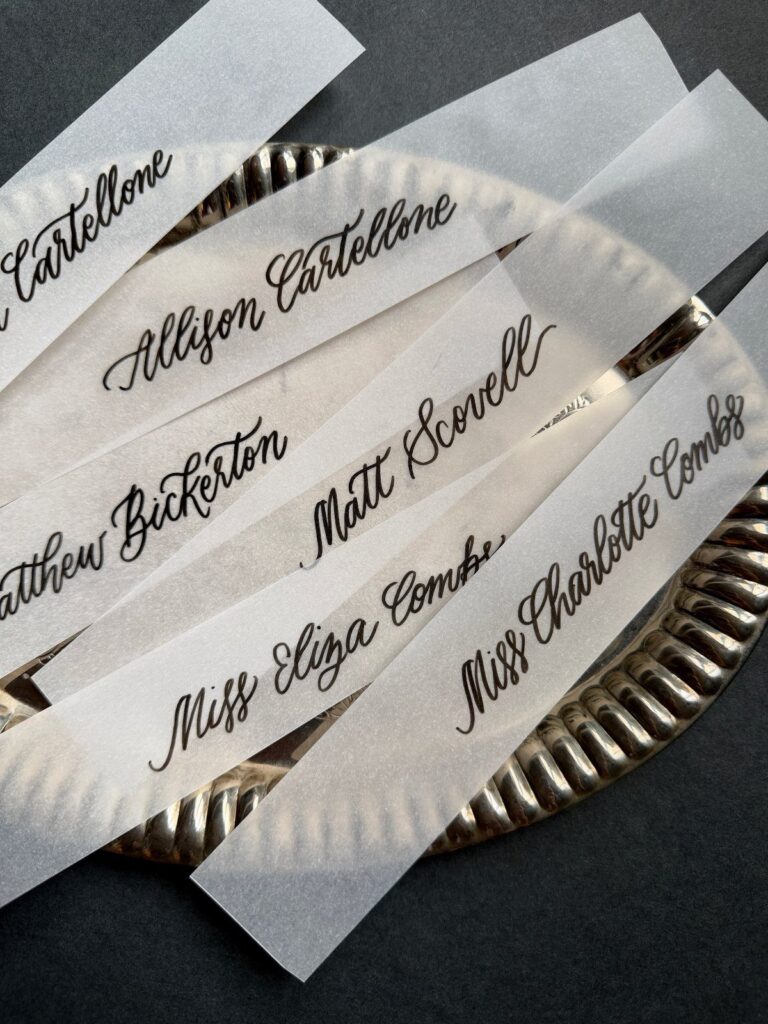
Vellum ranges from a single belly band to a full run of overlays, printed envelopes, place card strips and wraps, so the real choice is how many pieces get the see-through treatment.
Keeping vellum to an overlay and a belly band holds cost and fuss down, while printing everything on vellum asks for more proofs and more spoiled pieces.
1. Foil Printed on Vellum Paper
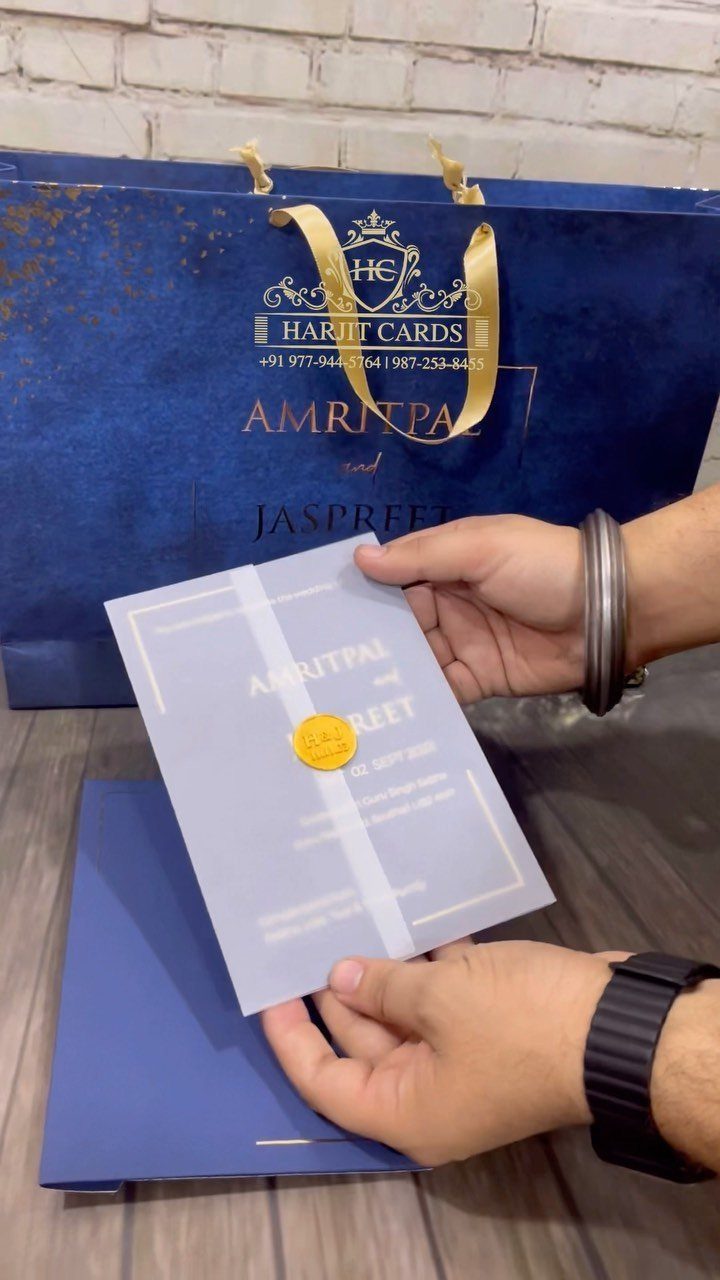
Gold foil on vellum is the finish I would pick when an invitation needs to look formal without extra pieces.
The metallic lettering catches light against the translucent sheet, and a wax seal in the same tone ties the look together.
Ask your printer for a proof on the actual vellum before approving the run. Foil printing adds to the cost, so keep it to the text that matters most, like the names and the date.
2. Vellum Wrap for Invitations
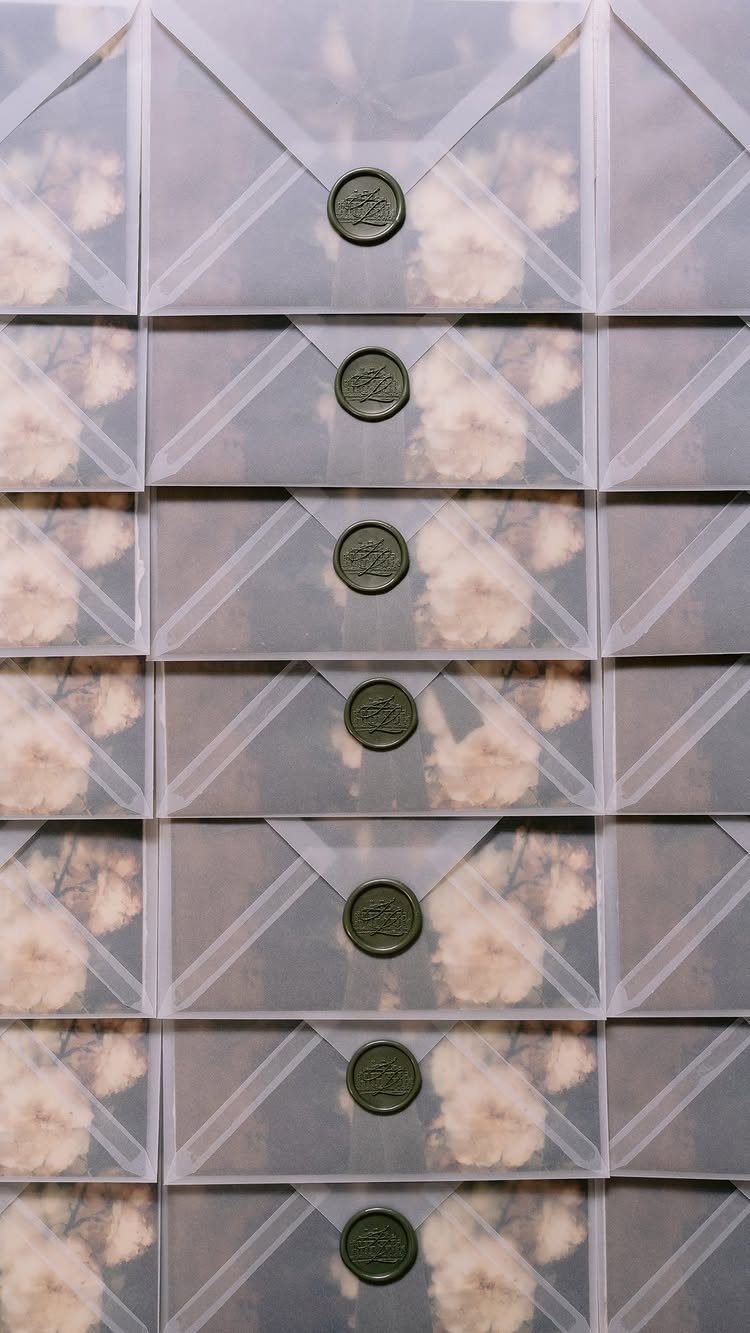
A vellum wrap works like a soft veil over whatever sits beneath it. Laid over a floral print, vellum mutes the pattern without hiding it, and a dark wax seal gives the closure some weight.
I like this for couples who already love a printed card and want it protected and dressed in one move. Print your art on the card, not the wrap, so the image stays sharp underneath.
3. Use It as an Enticing Vellum Overlay
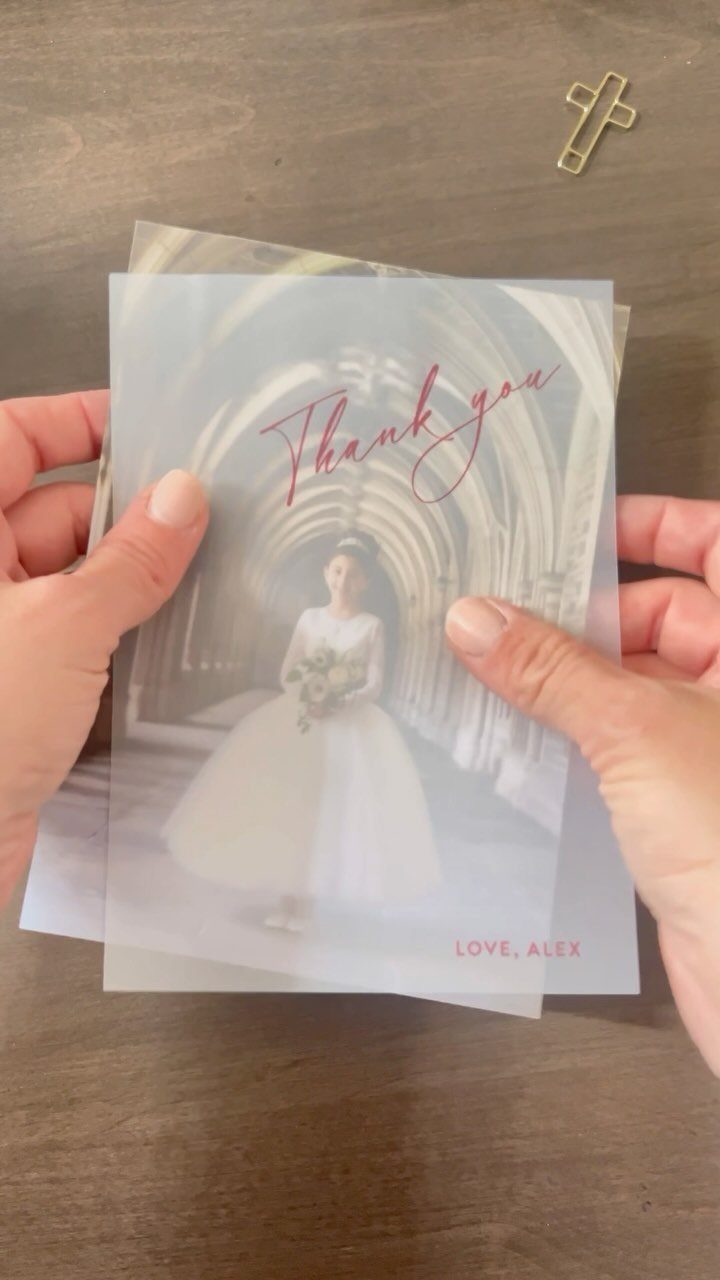
Printing straight onto vellum gives you a bold, see-through layer, and red text over a photograph holds its contrast better than you might expect.
This also works as a thank-you card, with a favorite wedding photo underneath and a short line on top. Keep the message to a few words so the photo stays readable.
4. Vellum Belly Bands
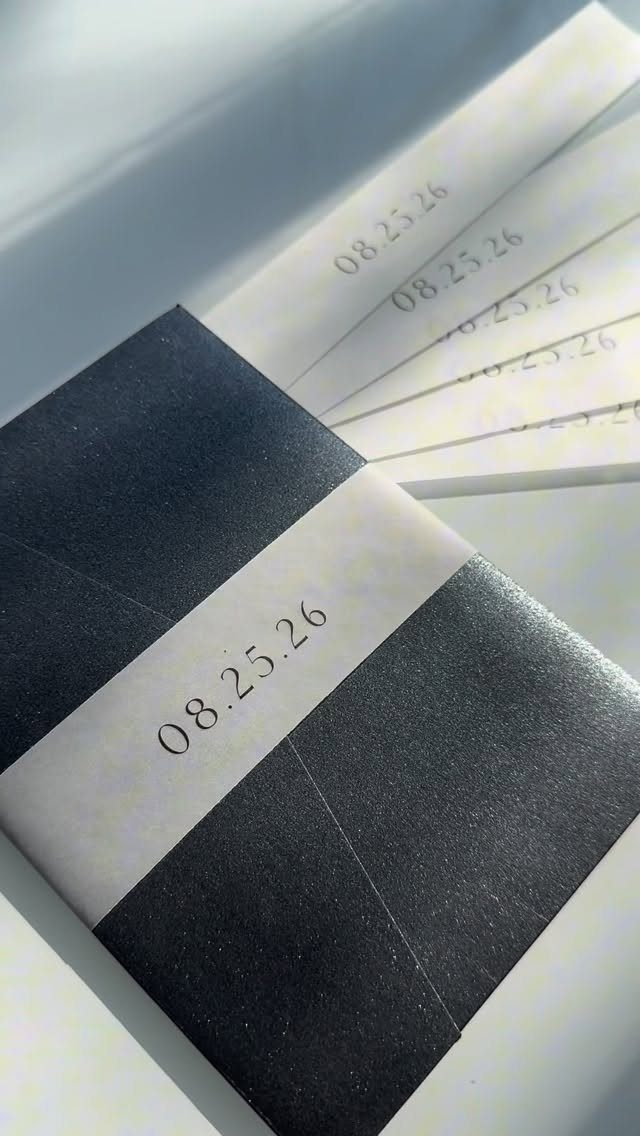
A belly band keeps the whole invitation set together: card, details and reply card gathered under one strip. Printing the date on the band, as in a simple numeric format, gives guests the key fact before they open anything.
Dark envelopes make the translucent strip read clearly, so I would pair them. Order a few extra bands, since trimming and fitting always costs you a couple.
5. Printed Vellum Envelopes
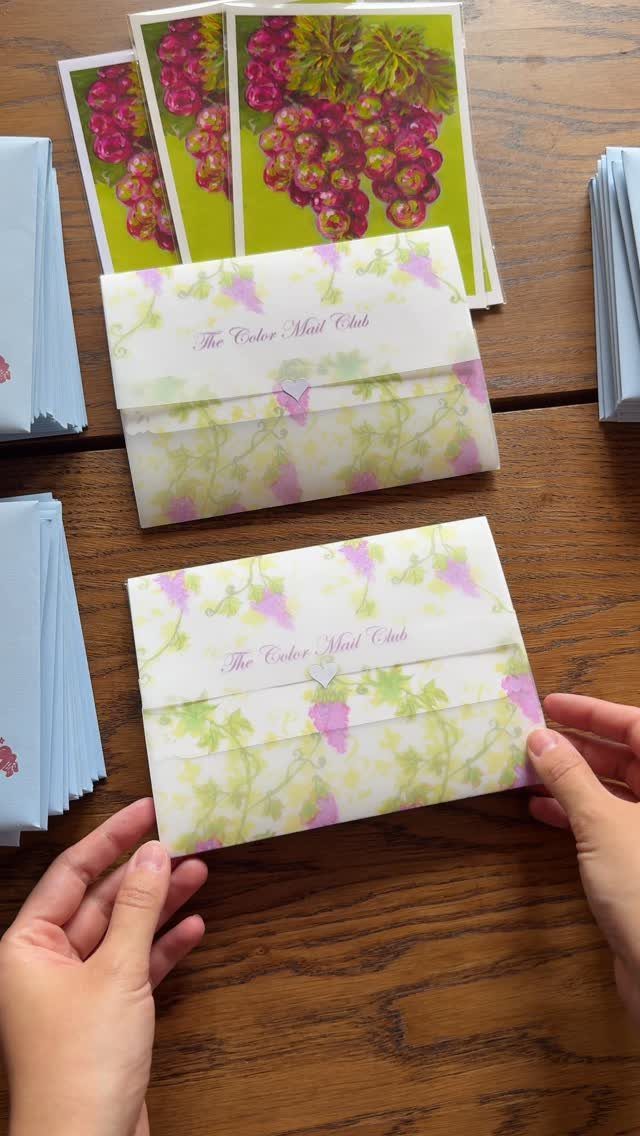
Vellum can be the envelope itself, printed with a floral pattern so the card inside peeks through.
Of everything here, a printed envelope is the boldest use, and I would pick it when you want the mailing piece to be part of the design.
Test the printed envelope with the card sealed inside before you commit. Whatever sits inside shows through, so plan the card to look good behind the print.
6. Vellum Place Card Strips
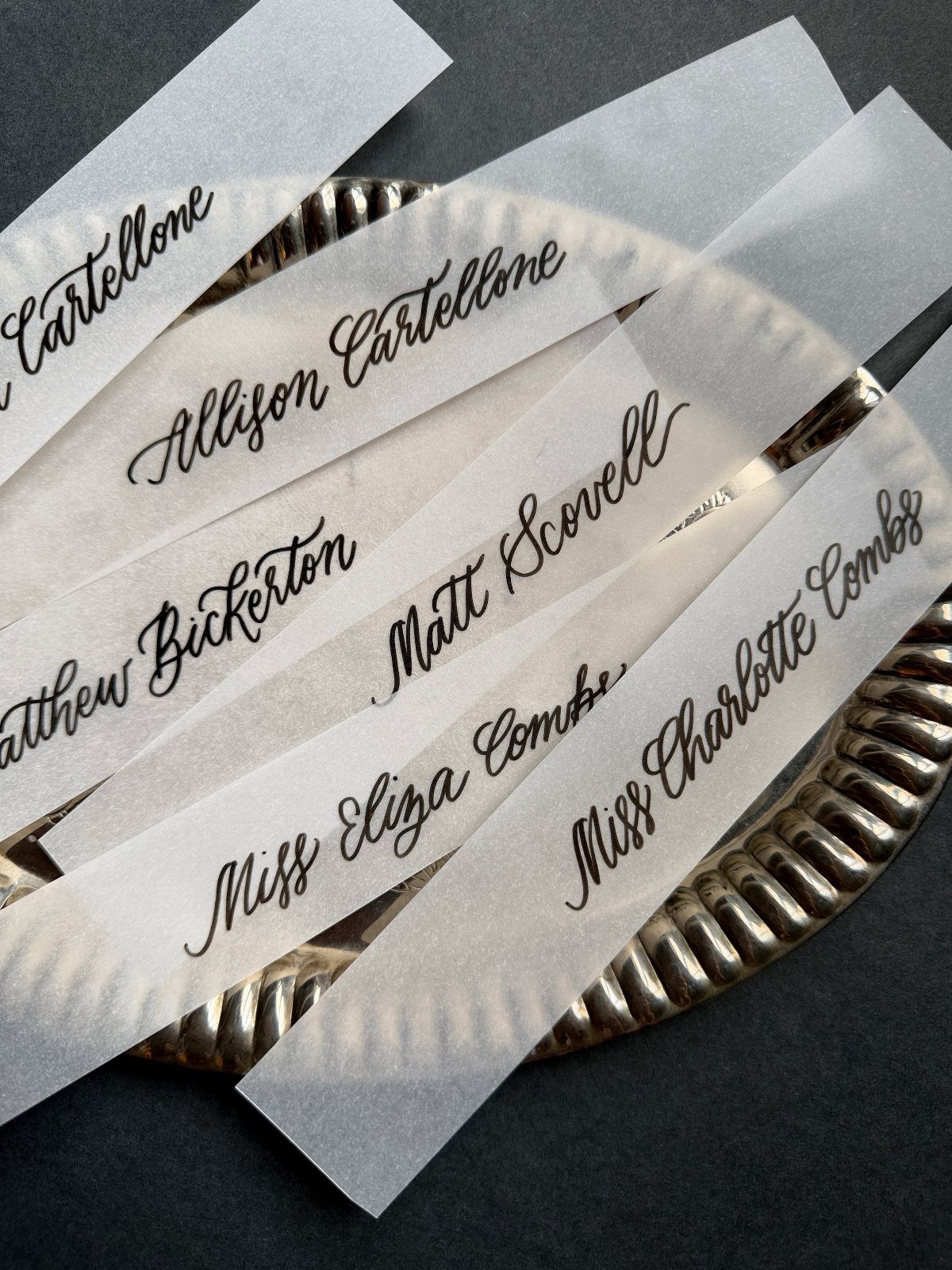
Narrow vellum strips with calligraphed names make a place card that stays light on the table. Black ink on the translucent paper keeps each name easy to read, and the strips can rest on a plate or napkin.
Hand calligraphy costs more per name than printing, so for a large guest list I would print and save calligraphy for the head table.
Vellum Printing Options
Vellum takes 2 kinds of printing: full color or white ink. Color suits a design with real artwork, while white ink gives crisp lettering that stands out on the translucent sheet, especially over a dark card underneath.
Both come in 30# and 48# weights. Lighter vellum is more see-through and flimsy; heavier vellum holds its shape better, so I would choose 48# for anything that has to stand up in the mail or wrap around a thick suite.
A small sample kit from your printer, run before the big order, lets you hold the real thing in your hands.
A test print in both colored and white ink on your own artwork runs a few dollars, while a bad result on 100 pieces means paying for the whole job twice.
Vellum’s Versatility
Test your pen on a scrap first, because ink that glides on regular paper can smear on a slick surface.
It also works well beyond the main invitation. Save-the-dates, reception cards and RSVP cards can all be printed on it, so you can carry one look through the whole paper suite.
I would not use vellum for every piece, though.
Save the vellum for a handful of pieces where the see-through look earns its place, such as the invitation overlay or a belly band, and print the rest on regular cardstock to keep cost and fuss down.
Vellum’s Aesthetic Appeal
Vellum clouds what sits beneath it only slightly, so the details underneath stay readable. That makes contrast your main design choice: dark text and busy art on the layer below hold up better than pale, fine lettering.
Lay a sheet of vellum over your actual card first, then check it in daylight and again in dim room light, since the two can look quite different.
Translucence changes with the light, and a card that looks crisp by a window can look muddy indoors.
Frequently Asked Questions
What paper is used for wedding invites?
Vellum is a popular pick, a translucent paper that works as an overlay, wrap, belly band, envelope or place card strip. Regular cardstock is the sensible base for the rest of the suite.
Save vellum for a few pieces, like the overlay or belly band, where you can see through it on purpose; the rest of the suite can stay on regular cardstock, which holds down both the price and the assembly work.
How much do vellum invitations cost?
One retailer lists vellum invitations from $0.65 to $2.80 per invite.
Vellum costs more than cardstock, though the printing can come out cheaper. Foil and hand calligraphy push the price up, so save them for the text or names that matter most.
What is the difference between 30# and 48# vellum?
The 30# weight is more see-through and flimsy, while 48# holds its shape better.
For anything headed through the mail or wrapped around a thick stack of cards, 48# is the one I’d pick, since the heavier sheet resists tearing and creasing. Both weights come in full color or white ink printing.
Should I print vellum invitations in color or white ink?
Full color suits artwork with detail and shading. White ink is better for clean lettering, and it shows up best when a dark card sits behind the vellum.
Order a small sample kit or a test print on your own artwork first. Ask the printer for one sample sheet first; it runs a few dollars, and skipping it risks reprinting all 100 pieces if the ink looks wrong.





