A monthly checklist runs from booking the venue, which fixes your date and guest count, to smaller jobs like the wedding menu, the seating chart, and thank you cards.
How early each task goes depends on one fact about your wedding: which decisions other tasks hang on, like the venue, which sets the date for nearly everything else.
Venue, guest count and RSVPs set the order, and everything that waits on them belongs later. Tasks that depend on nothing, like beauty trials or thank you cards, can move wherever your calendar and budget have room.
1. Book Your Venue
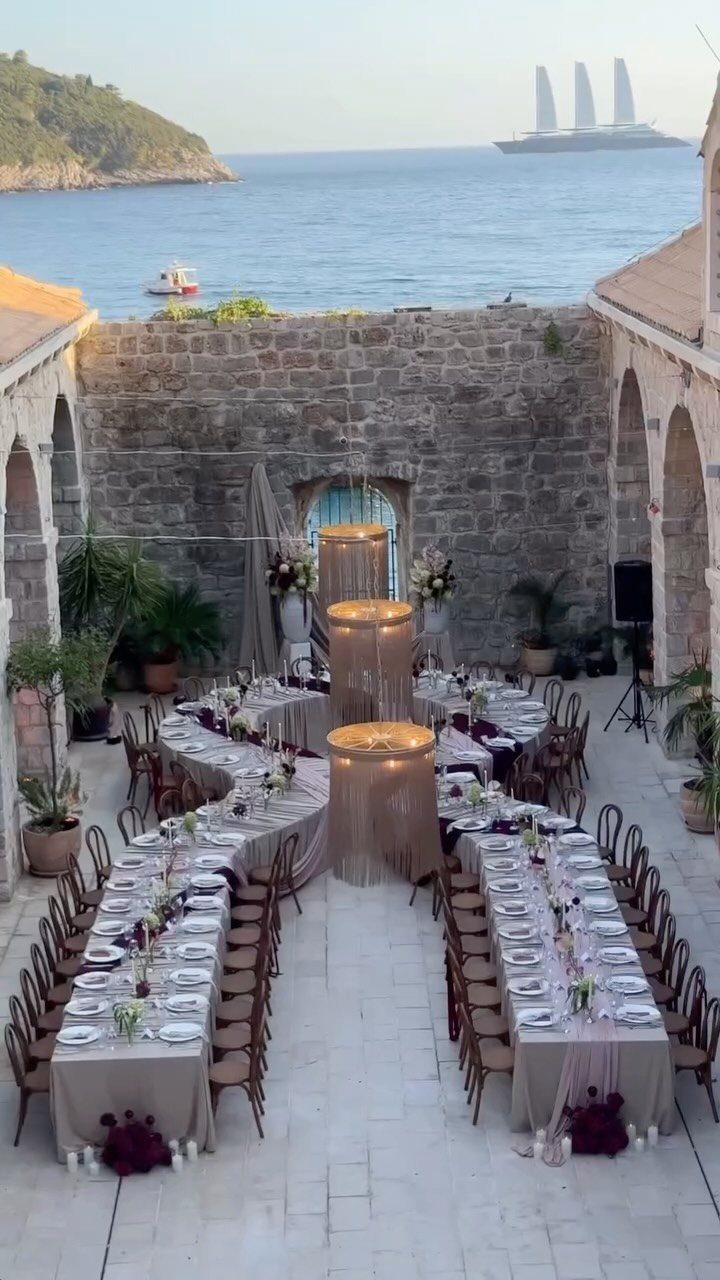
Venue comes first on any monthly checklist, because the date and guest count hang on it. Ask each place for its open dates before you fall for one.
A courtyard with long tables and a sea view looks effortless, but outdoor spaces need a backup plan for weather. Get that plan in writing before you sign.
Put the deposit and contract review on your calendar the same week you tour.
2. Wedding Menu
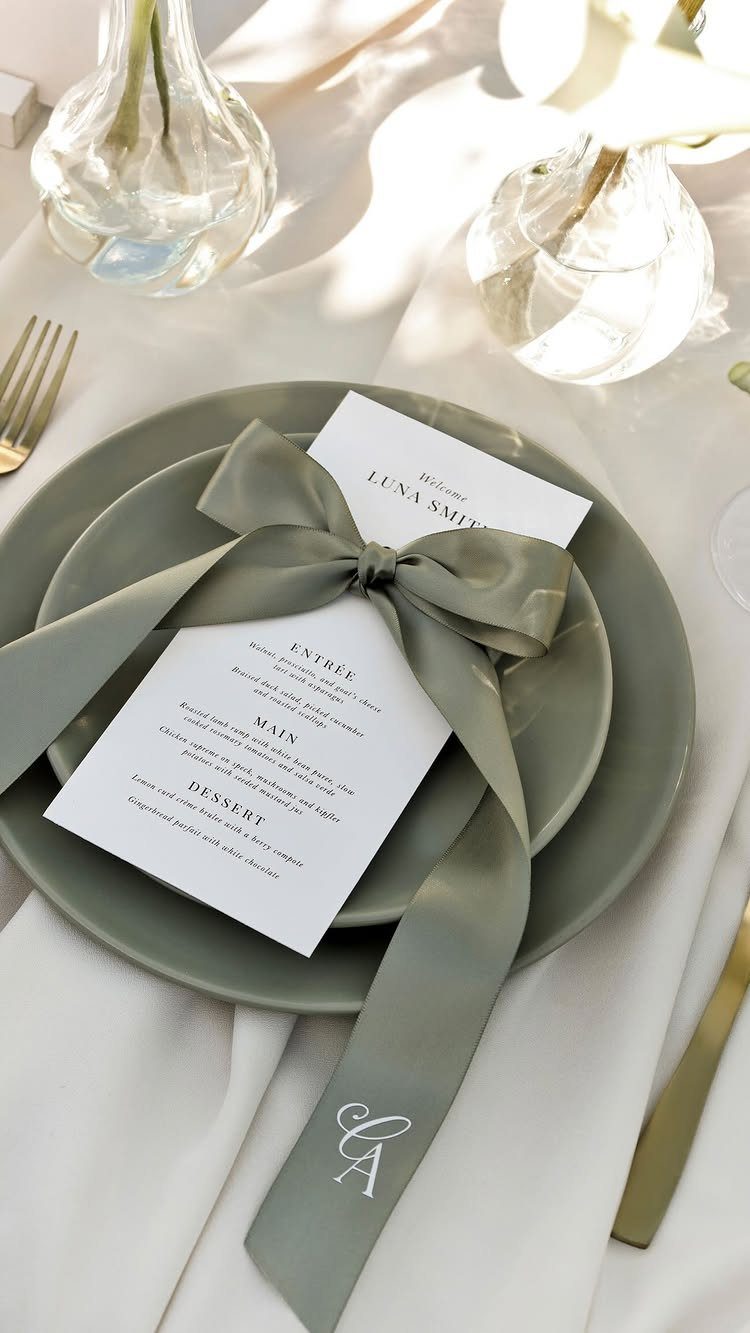
A menu card tied to each plate with ribbon gives guests a preview of the 3 courses and gives you a firm deadline for locking the menu. Decide your courses (entrée, main, dessert) before the printer needs final wording.
I would settle the menu a few months out, then tweak only if your caterer flags a problem. A name card on the same plate can double as the place card, which saves you one item to print.
3. Send Save-the-dates
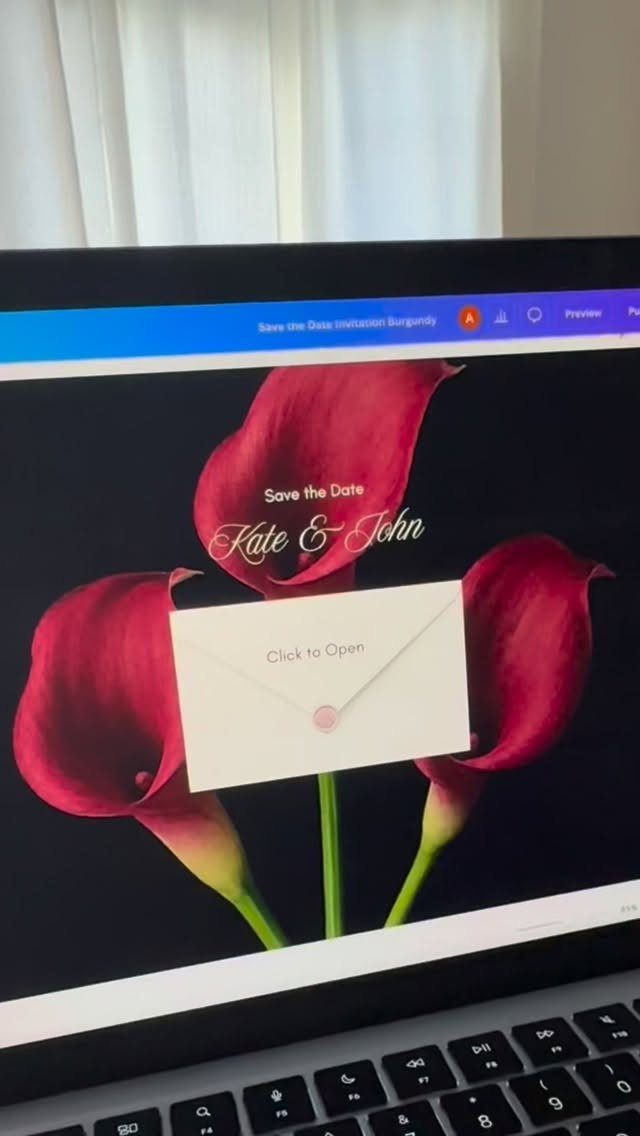
Digital save-the-dates cost far less than printed ones, and a "Click to Open" envelope makes them feel like more than an email. On a tight budget, I would pick digital save-the-dates and spend the savings on the invitations.
Send them once your date and venue are locked, and before invitations go out. Keep a running guest email list so nobody gets missed.
4. Beauty Trials
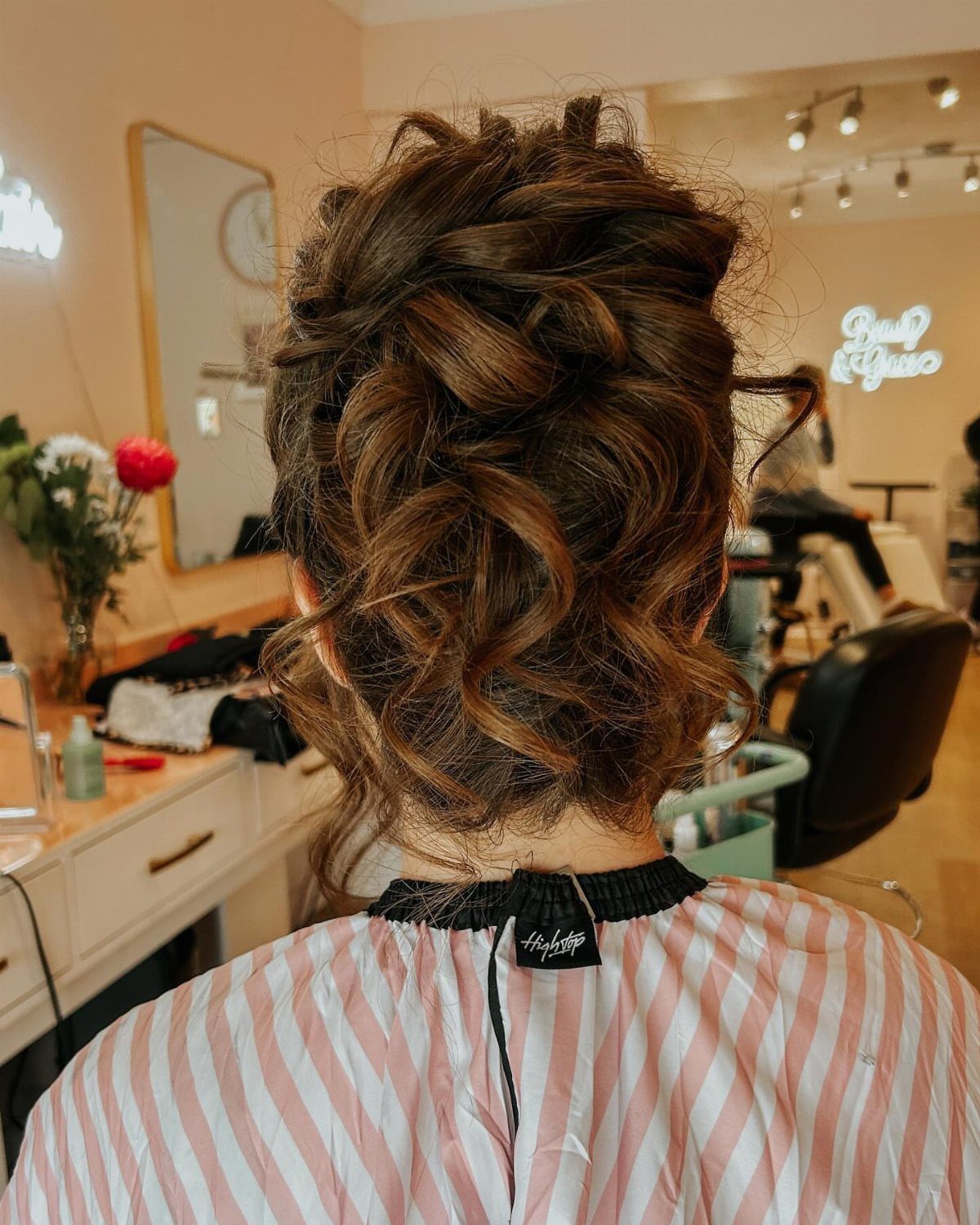
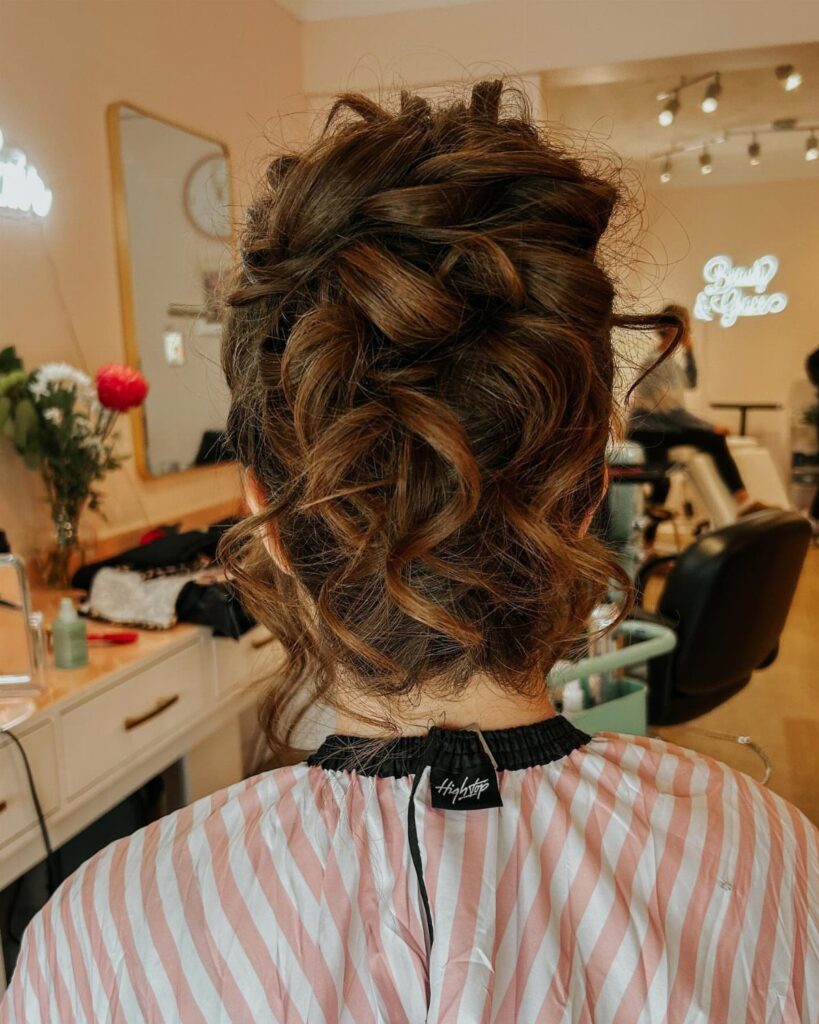
Book a trial with your hairstylist so a updo like this curly one gets tested well before the wedding. Bring photos and wear a top you can easily change out of.
Photograph the result from the back and sides, then check it after a few hours to see how it holds. Schedule the makeup trial the same day if the artist allows, so you can compare the full look.
5. Thank You Cards
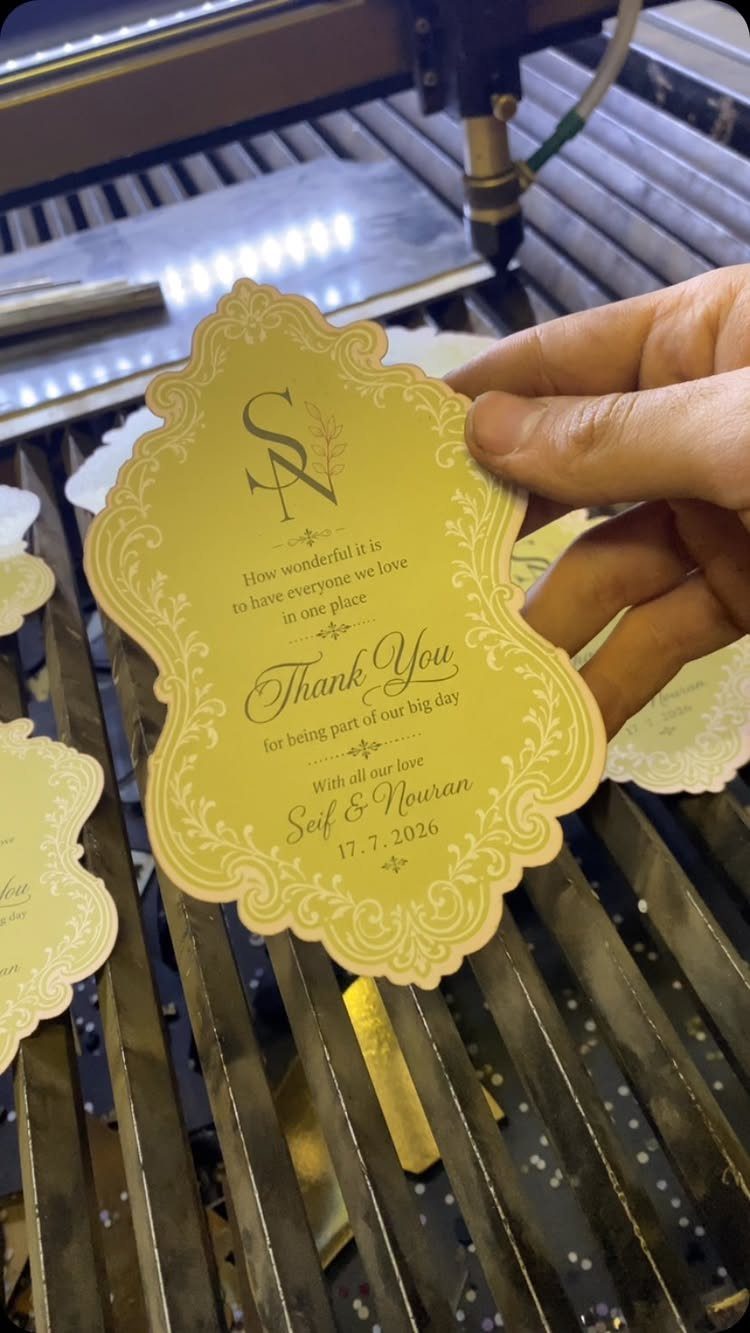
Thank you cards belong on the checklist after the wedding, but order them before it. A decorative card with your names and the date, like this laser-cut one, can be ready early.
Keep a gift log on the wedding day or soon after, listing who gave what.
Writing a few cards each week beats facing the whole stack at once. Stamps are a real cost, so budget for postage too.
6. Seating Chart
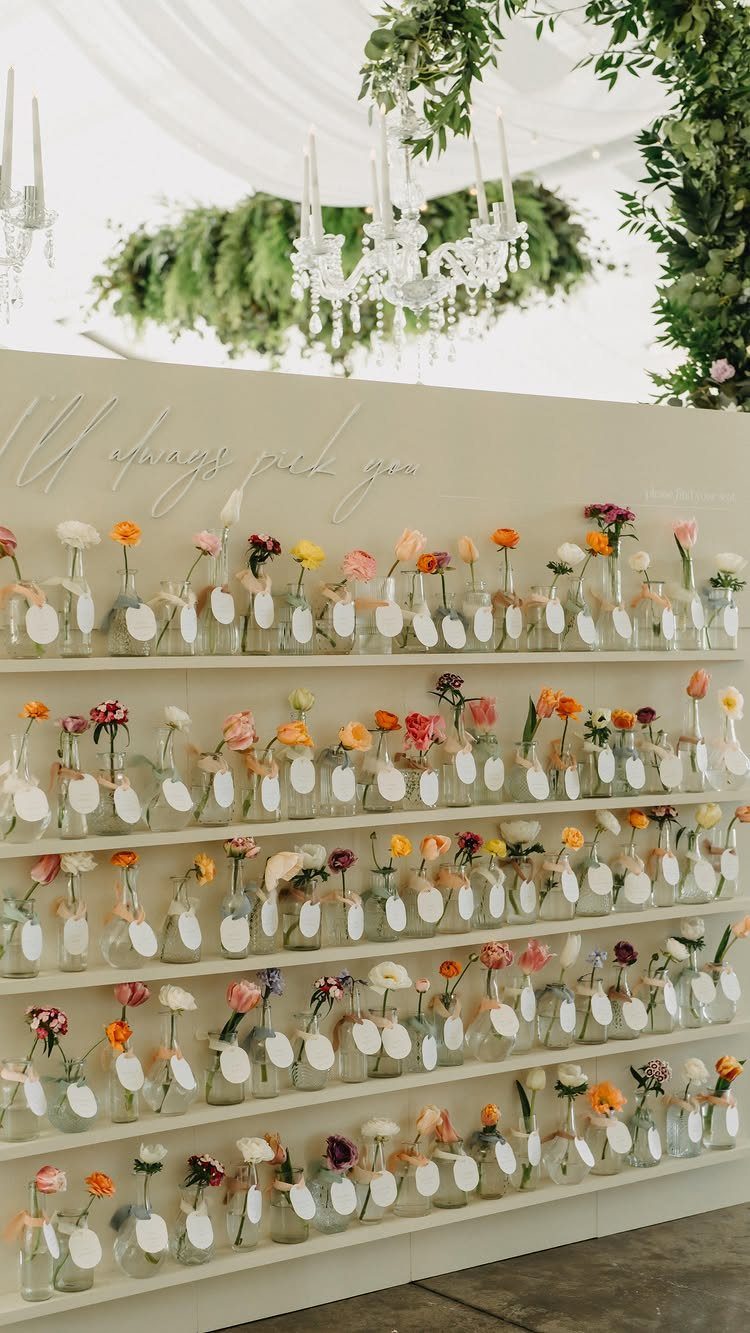
A seating chart can be a display as much as a list. Small bottles of flowers with name tags on shelves make guests look for their seat, and the arrangement doubles as decor.
Finalize it only after RSVPs close.
Group families and friends first, then fill the gaps, and keep a printed copy for your caterer and planner. I would build it on paper before making a single tag.
7. Schedule Final Fittings
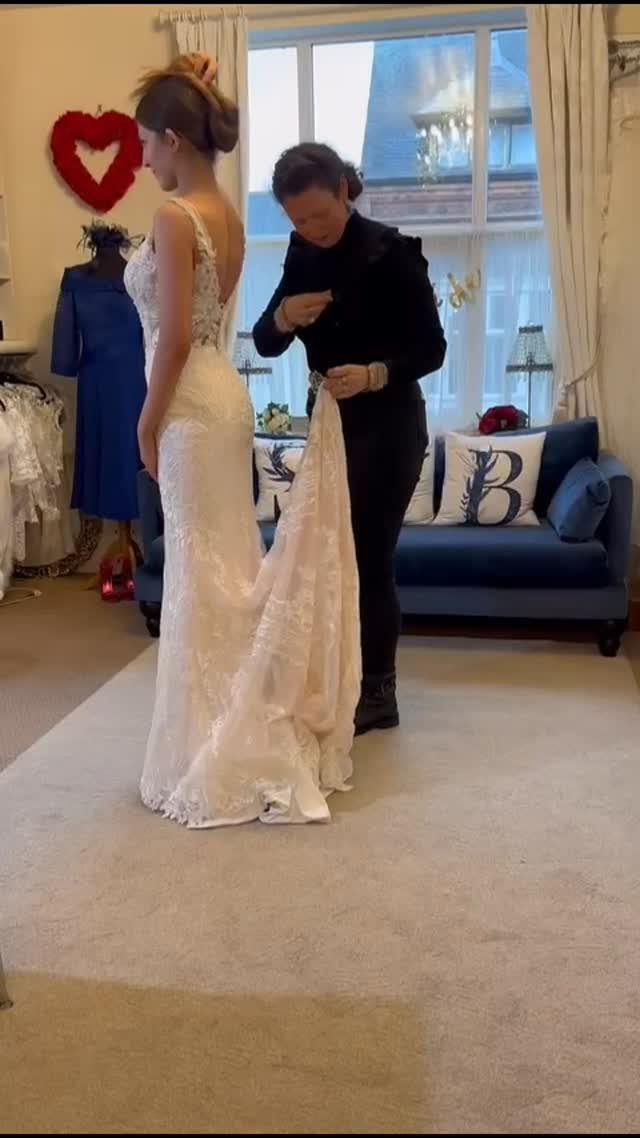
Lace shows every pinch, so a final fitting is where a train gets pinned to the right length and the hem checked in the shoes you will actually wear.
Bring those shoes and the undergarments you plan to wear that day.
Book it close enough to the wedding that your measurements will not change, and give the seamstress time to fix anything she finds.
I would also have your partner’s attire tried on the same week, so nothing gets left for the last days.
8. Bridesmaids Dresses
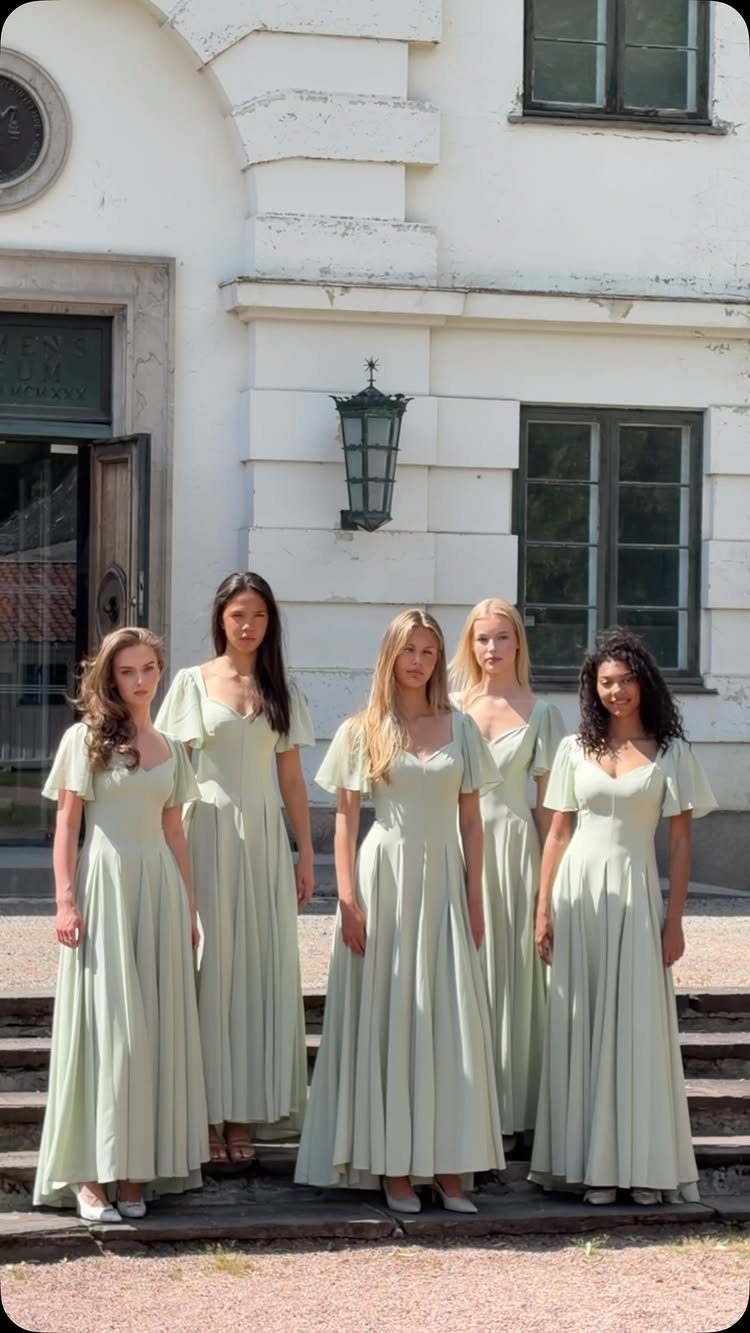
Sage green floor-length gowns in one shade read as calm and cohesive, and they suit a white venue like this one. Settle the color and silhouette early, because everyone has to order from the same dye lot.
Send your bridesmaids the style link along with a firm order deadline. Ordering early leaves room for alterations, and I would build that buffer in before anyone asks for a different size.
9. Wedding Cake
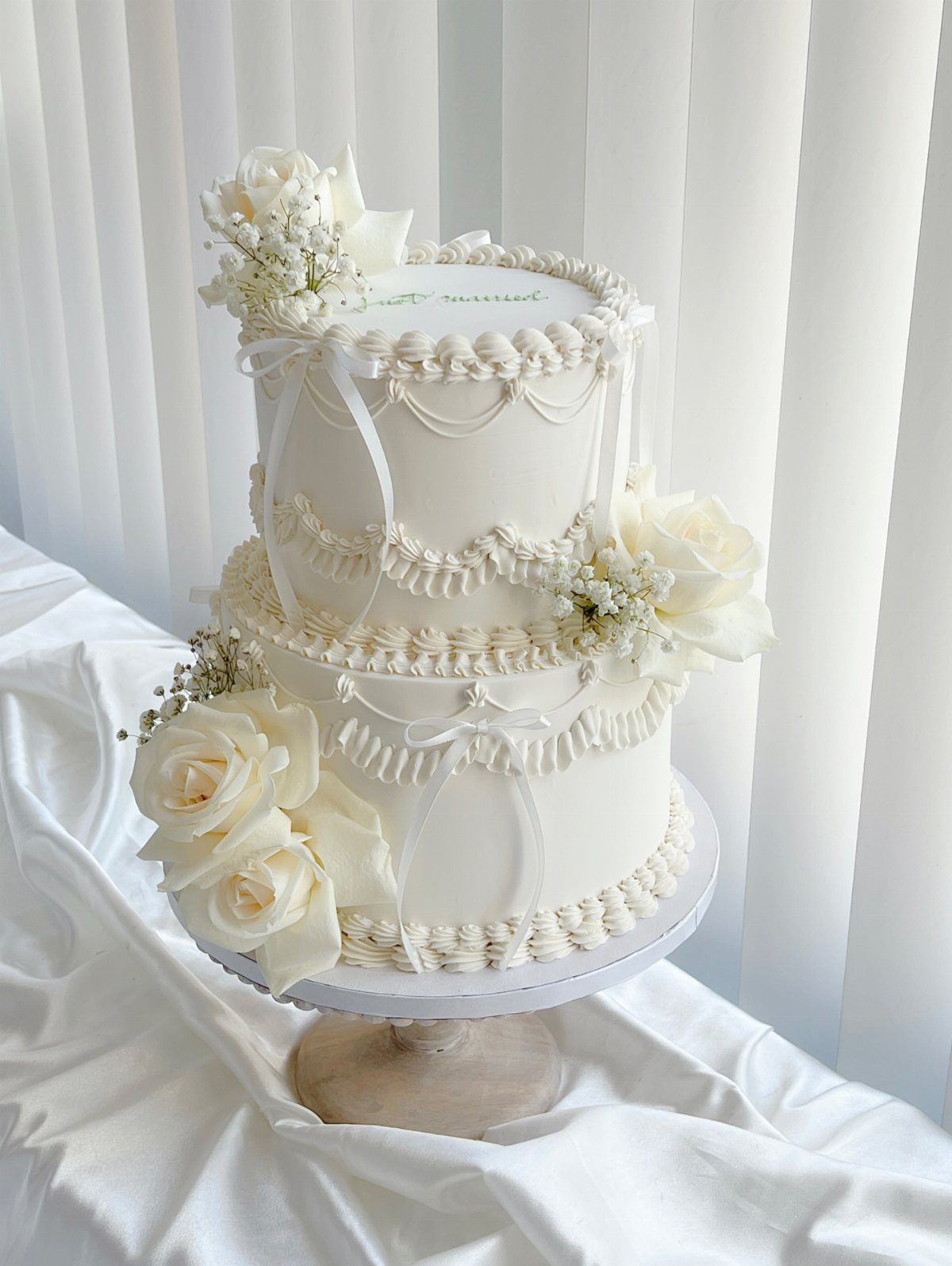
A two-tier cake with white roses and baby’s breath keeps the look simple and lets fresh flowers carry the decoration. Ask your baker whether she can match them to your bouquet, or whether the florist should supply them.
Book the baker once your guest count is close, since servings drive the tier size.
Taste the cake first, since flavor is the one thing a photo can’t confirm, and put the cake stand on your rental list so it doesn’t get forgotten.
10. Plan Rehearsal Dinner

Long tables set outdoors on grass turn a rehearsal dinner into a relaxed family meal rather than a mini reception. Invite the wedding party and close family, and send those invitations a few weeks ahead.
Confirm the headcount with your caterer, and settle the weather plan first if the dinner is going to be outside. I would keep the menu simpler than the wedding’s, which saves money for the big day.
Managing Wedding Stress
A checklist works against stress only if it is short enough to act on. A page of 80 items with no order feels like a verdict, so sort it before you start.
Hand off whatever someone else can do as well as you can. Pick friends or family who are reliable, give each person one clear job, and write down who has what so nothing is double-booked or dropped.
Tasks like picking up rentals, collecting RSVPs by text, or driving the guest book to the venue rarely need you. Hold on to the decisions that shape the day and let go of the errands.
Advice on Prioritizing Tasks
Start with three priorities, not thirty.
Sit down with your partner, each write your own top three, and compare. Where the lists overlap, you have your answer; where they differ, talk it out before any money moves.
Spend on those three first. Your budget is a real number, and the things you care about most should be paid for before the small items start nibbling at it.
Then take the next three, and keep going as far as time and money allow. Anything left at the bottom is a nice extra, and it is fine to skip it.
Importance of Communication
Say things out loud and early with your partner. If one of you is stretched on money or time, the other should hear it this week, not the week before the wedding.
Keep one vendor list with names, phone numbers, contract terms, and payment due dates. Check in on a schedule, and confirm arrival times and final details in writing so everyone is working from the same page.
When plans change, tell your partner first and then the vendors. A short email that restates the new detail beats a phone call nobody remembers.
Frequently Asked Questions
Can you plan a wedding in a month?
Yes, a 30-day wedding is possible if you stay decisive and flexible about what you want.
Most couples take longer, so pick your top 3 priorities and pay for those first. Lock the venue before anything else, since your date and guest count depend on it.
What should be included in a wedding day emergency kit?
A good kit holds 3 sizes of safety pins, a stain remover pen, a roll of double-sided fashion tape, and a small bottle of clear nail polish to stop a stocking run.
Add lipstick, pressed powder and mascara for touch-ups. Add pain relievers, anti-nausea tablets, blotting papers, floss, toothpaste, a phone charger with a portable battery, and a list of every vendor’s phone number.
Assemble the kit a week out, since scrambling for a missing item on the morning of the wedding is a stress you can skip.
How do I track RSVPs?
A single spreadsheet works best: one row per guest, a column for yes or no, and a note for anyone still silent, so you know exactly whom to nudge.
Collecting responses by text can be handed to a reliable friend or family member, which frees you for bigger decisions.





