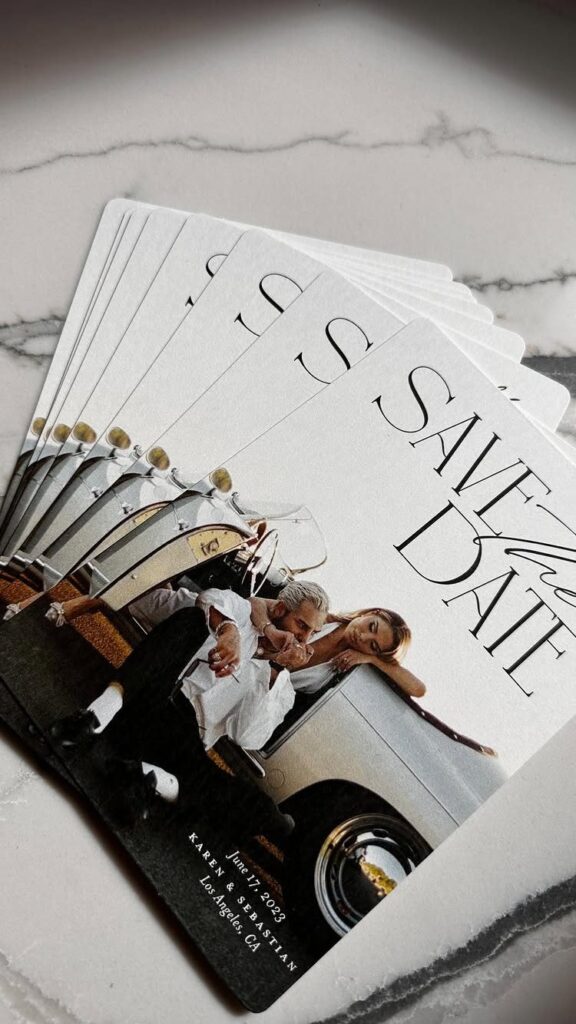
The tasks here run from mailing save-the-dates to buying the rings, and the order you handle them in matters more than how fast you move.
Flexibility is what keeps a tight timeline workable: if your date is fixed, bend on the details, and if you want one particular day, bend on how much you plan to change later.
1. Send Save-the-Dates
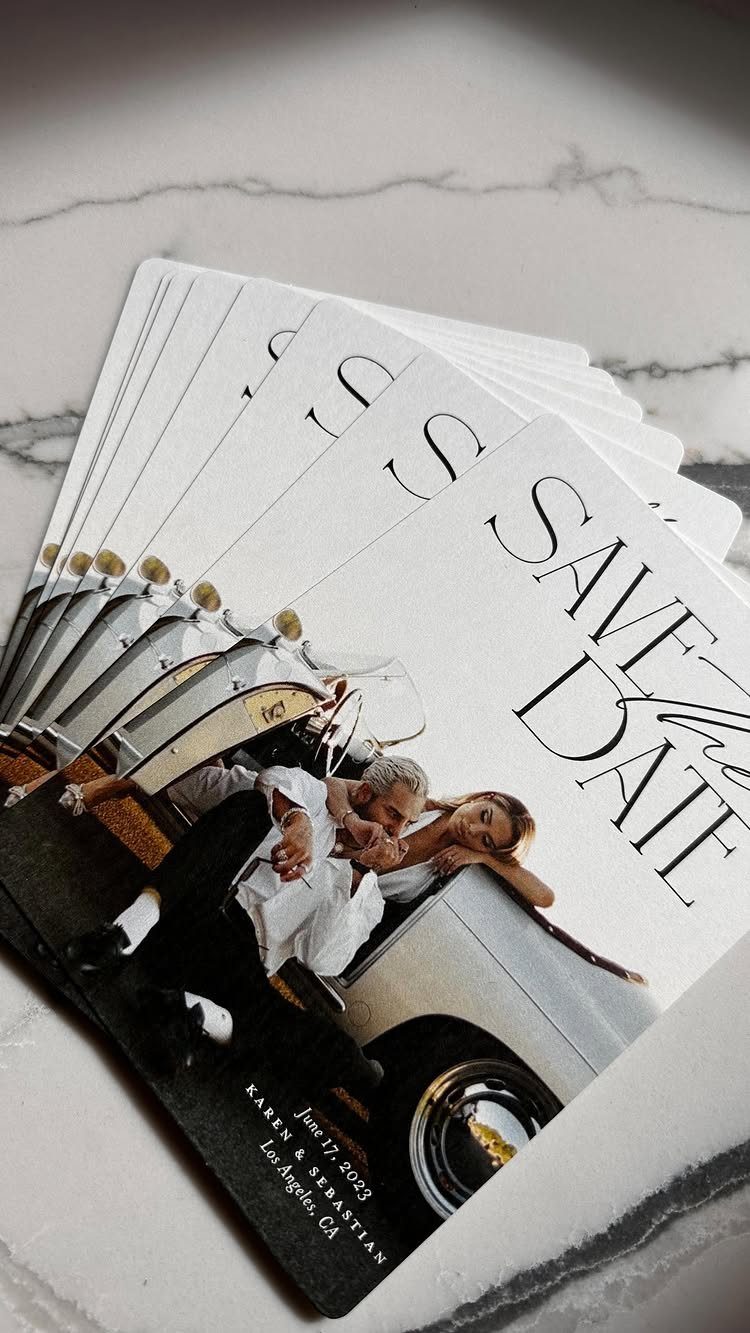
A save-the-date only has to carry 3 things: the names, the date, and the city. A save-the-date should state the wedding date and city, and a photo of the two of you makes the card feel personal.
Mail them as soon as the date is locked. Guests who travel need time to book flights and request days off.
Send them before the invitations, and make the style a preview of what’s coming.
2. Send Invitations
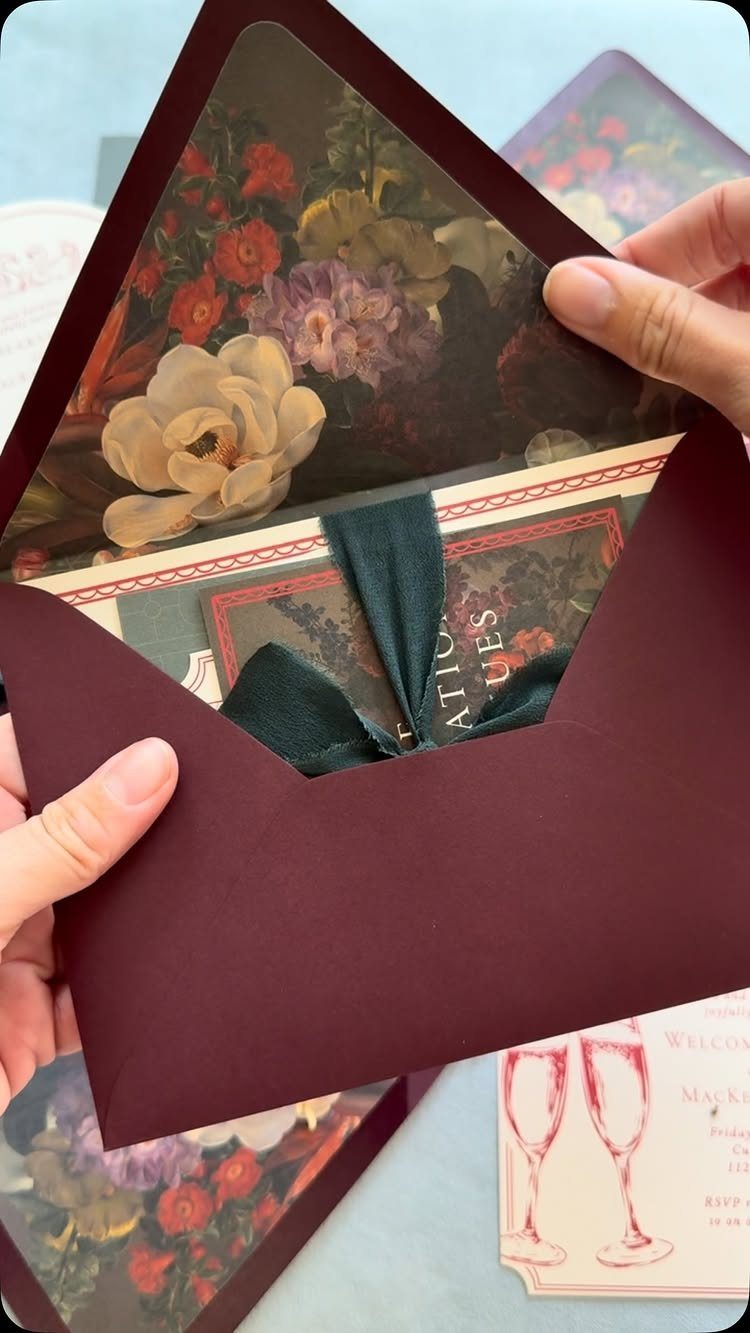
Burgundy paired with dark green ribbon is a rich, moody combination, and I like that the envelope does half the work before anyone reads a word.
Order a few extras beyond your guest count. Mistakes in addressing and late additions to the list happen, and reprinting a small batch costs more than padding the first order.
Mail the invitations well after the save-the-dates, and check the weight of the full suite at the post office first. Ribbon and layered inserts can raise the postage.
3. Order Wedding Cake
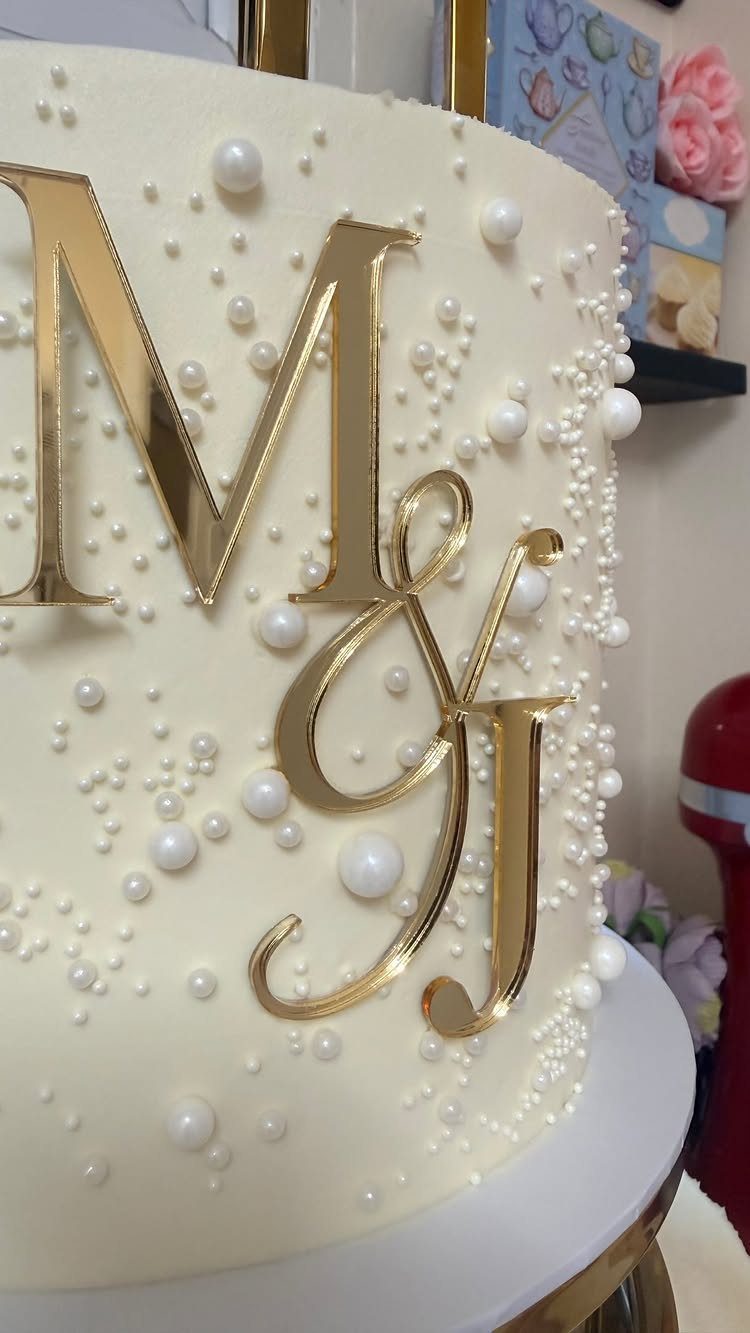
Simple finishes are usually easier on a baker’s time, which tends to keep the price down.
Book your baker early, since popular ones fill their calendars. Ask about tasting sessions and whether delivery and setup are included.
I would put the money into flavor before decoration. Guests remember the taste, not the piping.
4. Purchase Wedding Rings
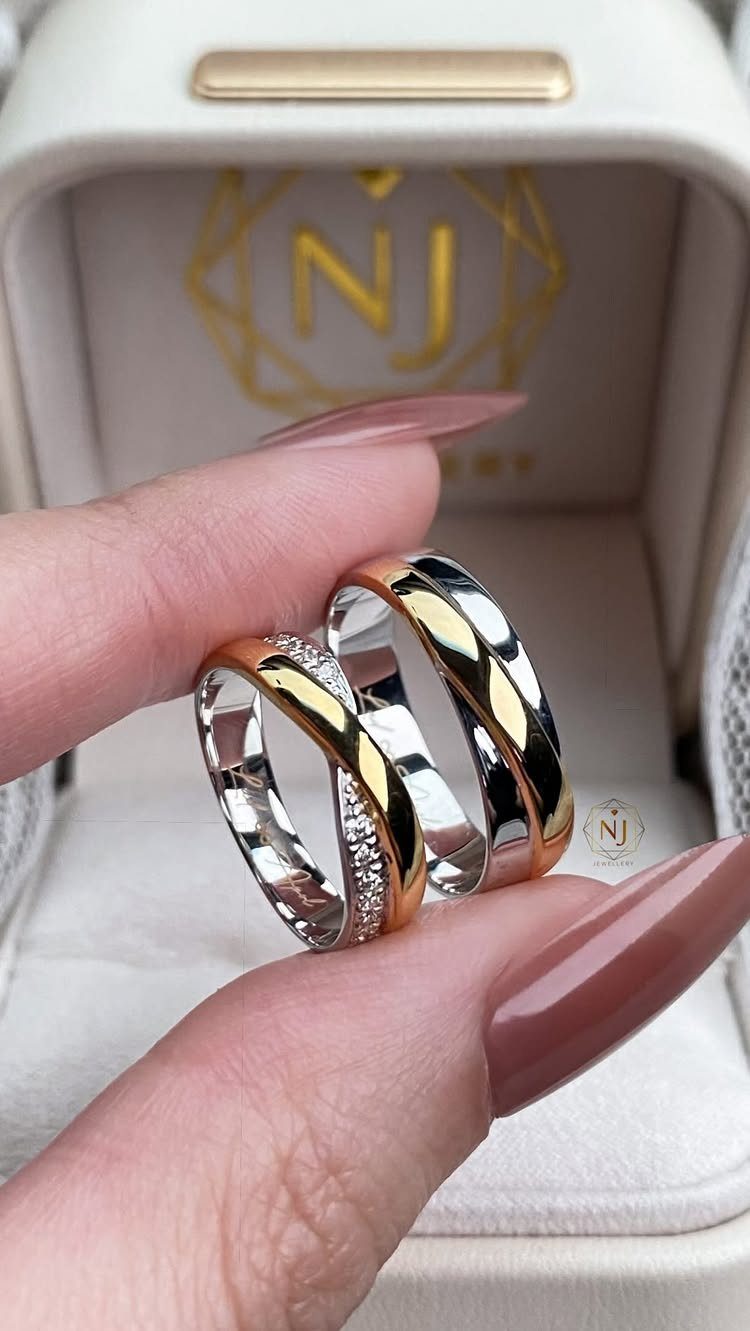
Buy the rings early enough to leave room for sizing and engraving. Rushing a ring order is how couples end up overpaying.
Metal is the first decision. Jewelers typically offer rings in 14k or 18k gold, in yellow, white, rose, or two-tone, so pick the metal before you pick the style.
Matching bands are optional: one with diamonds and one plain is a perfectly good pair, and it lets each of you wear what suits your hands and your daily routine.
I would pick the plain band if you work with your hands, since stones add cost and can catch on things. Try both on before you commit.
Importance of Early Planning
Vendor calendars fill from the top down, so the order you book in matters as much as the timing. Venue and date come first, since everything else hangs on them.
Photographers, videographers, live musicians, and planners go next. Many of them take only one wedding per day, so a single booking on your date can close them off for good.
You can hold off on the rest. Book what matters most to you now and let the smaller choices wait; the stress drops fast once the big names are locked.
Use this handy countdown by month to stay on schedule and bring a sense of ease to your wedding planning.
Flexibility in Planning
Flexibility is the cheapest tool you have. If you have your heart set on one venue, the date is the thing to give up: a Saturday may be gone, but a weekday could still be open.
Before you ask about price or packages, find out whether the venue has your date open, since everything else depends on that answer. There is no point falling for a space that cannot host you.
Keep your vision, though. Shortlist only venues that fit the style you want and hold your guest count, then bend on the day, not on the basics.
Book tours early, and bring a written list of questions so nothing slips your mind once you’re standing in the room. You will have to decide fast, and a prepared list gets you the answers in one visit.
Managing Guest Expectations
Guests plan around what you tell them, so tell them in one place. A simple wedding website works well: put the schedule, the venue address, and any changes there, and point every card and message to it.
When something changes, say so quickly and in plain words. A short note with the new detail beats a long apology.
Pick a trusted person, like a parent or a close friend, to field guest questions so the details and any changes reach everyone from one source. That keeps answers consistent and keeps your phone quiet.
Say the hard things early: whether children are invited, whether a plus-one is included, and what the dress code is. Guests accept a clear answer far more easily than a vague one.
Frequently Asked Questions
Is it realistic to plan a wedding in 6 months?
Yes, if you can set aside time almost every day and start right away. A 6-month timeline is more of a sprint than the marathon of a 12-month one.
In a 6-month window, lock in the venue and date before anything else, then the vendors who take just one wedding a day: photographer, videographer, band, planner.
What should be included in a wedding budget?
Start with the big categories: venue, catering, and photography and videography. A budget often splits roughly like this: close to 30% for the venue, a bit under a quarter for food and drink, and around 10% for photo and video.
Decide the number before you tour venues, and talk through your savings, any family contributions, and what you can still save before the date.
When should I send out invitations?
Mail invitations well ahead of the big day, and for a destination celebration, send them even earlier so guests have time to book travel.
Set the RSVP deadline around 3 weeks before the day so you have a firm headcount for the caterer.
Before you buy stamps, carry one fully assembled invitation to the post office and have it weighed, because ribbon, vellum, and layered inserts can push it into a higher postage tier.





